The best commercial lawn mowers are pro-grade zero-turn and stand-on models from trusted brands.
If you want clear, expert advice on what are the best commercial lawn mowers, you’re in the right place. I run crews, test gear in real yards, and track uptime and costs. This guide breaks down real-world picks, why they win, and how to choose with confidence. Stick around and you’ll know exactly what to buy, and why it pays off.
What defines “best” for a commercial mower today
Before we list what are the best commercial lawn mowers, let’s define “best.” The right pick is the one that cuts fast, looks clean, runs all week, and is easy to fix. It should fit your routes, gates, slopes, and crew skills.
Key factors that separate great from good:
- Cut quality across seasons. Wet spring growth, dry summer turf, and leaves in fall.
- Productivity. Acres per hour depend on deck width and ground speed you can control.
- Durability. 7-gauge decks, strong spindle housings, and commercial hydro drives.
- Uptime and service. Dealer parts on hand, smart design, easy maintenance.
- Comfort and safety. Stable on slopes, low vibration, good seat or platform suspension.
- Total cost of ownership. Fuel, blades, belts, downtime, resale value.
In short, what are the best commercial lawn mowers are the ones that meet your work mix, not a spec sheet alone.

Top picks: what are the best commercial lawn mowers by category
Below are my current favorites after hands-on demos, fleet feedback, and field results. They cover common needs for pros. If you ask me what are the best commercial lawn mowers for most crews, you’ll likely find your match here.
Best zero-turn overall
- Exmark Lazer Z X-Series. Superb cut, proven uptime, strong dealer network.
- Toro Z Master 4000/5000. Rugged build, great baffle design, strong comfort features.
Best value zero-turn
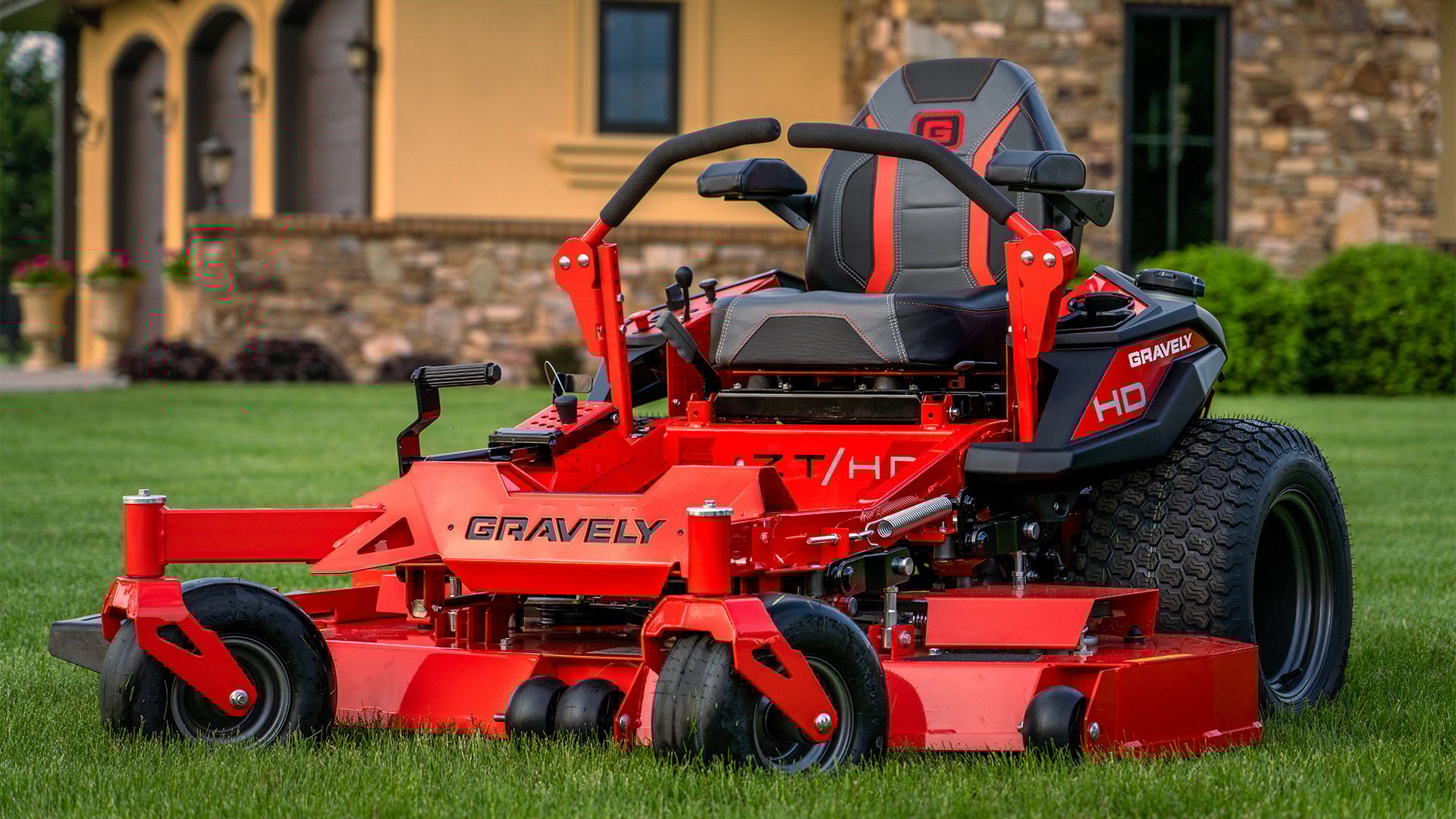
- Gravely Pro-Turn 600. Solid deck, smooth ride, fair price for the features.
- Hustler HyperDrive Super Z. Fast, tough hydros, built for big properties.
Best stand-on for speed and hills
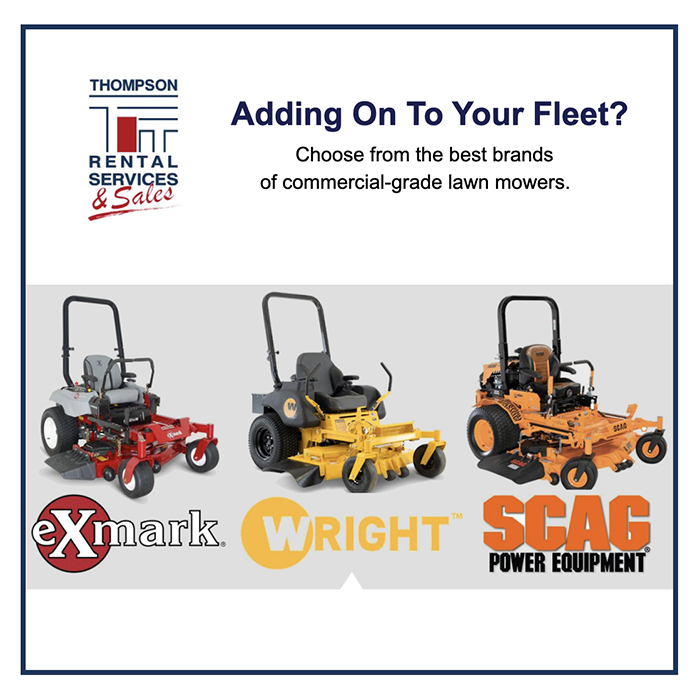
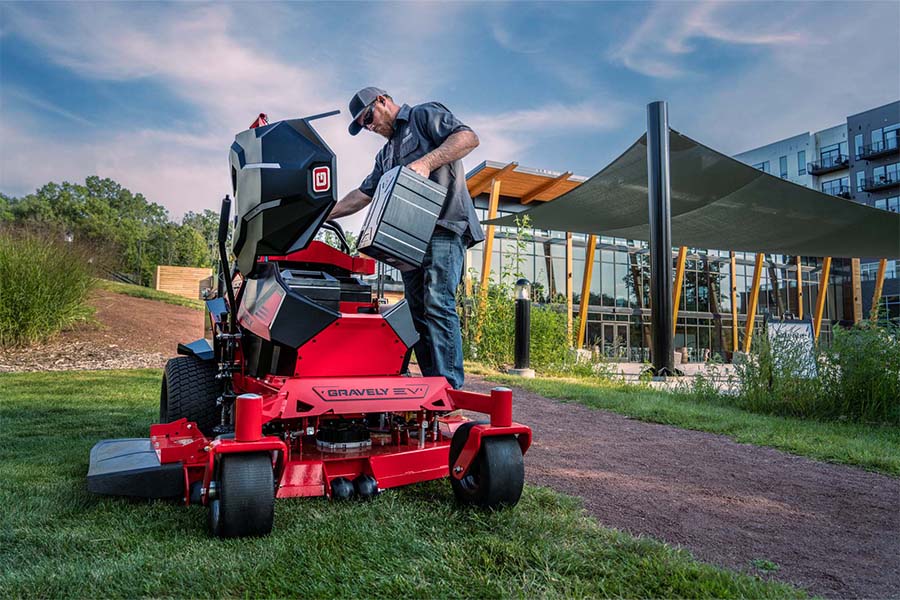
- Wright Stander ZK. Compact, agile, hill friendly, loved by many crews.
- Toro GrandStand. Great visibility and balance, easy step-on/off for stop-start work.
Best ride comfort on rough turf
- Ferris ISX 3300. Full suspension frame helps crews last longer days.
- Scag Turf Tiger II. Heavy-duty feel, smooth with proper seat suspension.
Best bagging and finish
- Walker T or C-Series with collection. Cleanest post-mow look in tight landscapes.
- John Deere Z930M/R with bagging kits. Strong finish when maintained and set up right.
Best diesel for heavy use
- Kubota ZD Series. Fuel-sipping torque, great for large campuses and municipal work.
Best commercial electric zero-turn
- Mean Green Vanquish or Greenworks Commercial OptimusZ. Quiet, low routine maintenance, good for noise-sensitive routes and early starts.
These are not the only good choices. But if you ask the field what are the best commercial lawn mowers, this short list appears again and again.
Types of commercial mowers explained
Choosing what are the best commercial lawn mowers starts with the right type. Each style shines in a different lane.
Zero-turn riders
- Fast, nimble, great for open areas. Most options from 48 to 72 inches.
- Best for speed and large lots. Watch slope limits and operator training.
Stand-on mowers
- Easy on and off. Great visibility. Compact for trailers and gates.
- Ideal for stop-start urban routes and mixed-size lawns.
Walk-behind mowers
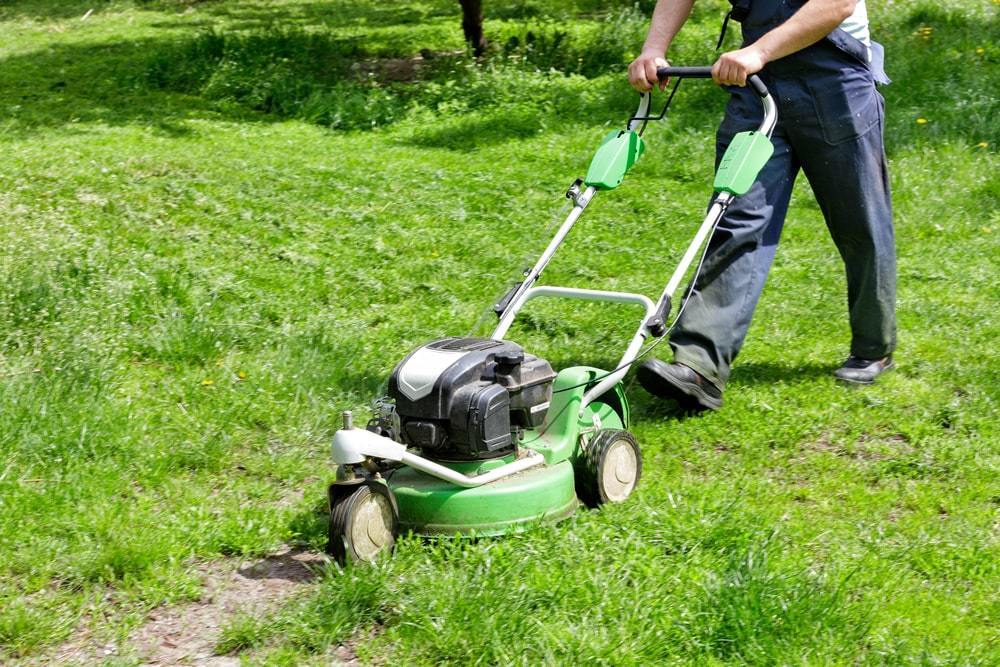
- Strong control on slopes and tight spaces. Hydro walk-behinds cut small lots well.
- Slower on big fields but safer on steep or wet areas.
Front-mount and out-front
- Superb trimming and visibility. Great with collection systems.
- Useful for premium finish on complex landscapes.
Wide-area and specialty units
- Built to maintain fields and campuses fast.
- Not ideal for tight residential work, but huge on sports turf.

Features that matter before you buy
When someone asks what are the best commercial lawn mowers, I always say: features first, brands second. The right setup beats a logo.
Deck and cut system
- Fabricated 7-gauge decks resist flex and last longer.
- Baffles and airflow matter for wet grass. Demo on damp mornings if you can.
- Blade options. High-lift for bagging, low-lift for sandy soils, mulching for leaves.
Drive and hydros
- Commercial hydro drives like Hydro-Gear ZT-5400 or Parker units handle heat and hills.
- Serviceable pumps and wheel motors are better for long-term uptime.
Engines and fuel
- Kawasaki FX, Vanguard, and Kohler EFI are common. EFI saves fuel and starts clean.
- Diesel shines on long days. More torque, lower burn per acre.
Comfort and control
- Suspension seats save backs. True chassis suspension helps on rough sites.
- Thumb or lever controls that fit your crew reduce fatigue.
Traction and tires
- Bar tread or radial tires help on slopes. No-flat casters cut downtime.
- Follow slope guidance. Many makers rate up to about 15 to 20 degrees.
Productivity and tech
- Acres per hour come from deck width and usable speed. Smooth is fast.
- Hour meters, telematics, and simple maintenance points keep costs down.
Warranty and support
- Look for 1000 to 1500 hour commercial warranties with clear terms.
- A great dealer beats a small spec edge. Parts and loaners win seasons.
Real-world costs, uptime, and resale
Here’s why what are the best commercial lawn mowers save money over time. It is not just sticker price. It is the whole picture.
Fuel and maintenance
- EFI gas engines can save 15 to 25 percent fuel compared to carbs in mixed use.
- Blade sharpening each 8 to 12 hours in heavy growth keeps cut quality high.
- Belts, filters, and hydros need scheduled service. Plan it and log it.
Downtime math
- If a mower earns 150 to 250 dollars per day, one lost day stings.
- A loaner or a backup stand-on can pay for itself in a season.
Resale value
- Top brands with clean service records sell fast.
- Deck condition and hour meters tell the story. Keep records and photos.
A basic season model
- 800 hours per year at 1.3 gallons per hour is about 1040 gallons.
- Small fuel savings and less downtime can cover a payment. This is why what are the best commercial lawn mowers are the ones with strong uptime and support.

Buying checklist and dealer support
What are the best commercial lawn mowers for you depends on the dealer as much as the deck. Use this checklist.
Before you buy
- Demo on your toughest lawns, including wet areas and slopes.
- Check deck level, stripe kit options, and bagger fit.
- Verify hydros, spindles, and engine model and warranty in writing.
Dealer and parts
- Ask about in-stock parts, belts, blades, and filters.
- See their turnaround times and if they offer loaners for breakdowns.
- Confirm pickup and delivery options during peak season.
Finance and fleet programs
- Fleet discounts can cut 10 to 20 percent with two or more units.
- Compare 0 percent offers to cash rebates. Do the math.
Transport and storage
- Measure trailers and gates. 60-inch decks do not fit every job.
- Add tie-down points, fueling plans, and secure storage.
Safety and training that protect crews
Even when you know what are the best commercial lawn mowers, safe use is the real win. Keep your people and clients safe.
Core habits
- Train on ROPS use, slope limits, and safe loading on trailers.
- Walk sites first. Mark holes, wires, and loose mulch.
Gear and setup
- Hearing and eye protection help daily. So do gloves and boots.
- Keep blades sharp and discharge chutes in place. Use mulching in crowded areas.
Operating tips
- Slow down on wet grass and slopes. Smooth inputs prevent ruts and slides.
- Stop blades before crossing gravel or sidewalks.
:max_bytes(150000):strip_icc()/spr-riding-lawn-mowers-test-toro-50-inch-24-5-hp-time-cutter-iron-forged-deck-commerical-v-twin-gas-jodi-espinosa-01-60f13f8045cb4bb3b97e7cd70bd26300.jpeg)
My field notes and mistakes to avoid
After years of testing and running crews, here is the truth. What are the best commercial lawn mowers are the ones your team will actually use well.
Lessons learned
- I once bought a big 72-inch deck that could not fit half my gates. It sat.
- I ignored a weak dealer once. A two-week wait blew a month’s profits.
What works
- Demo the same morning on wet and dry spots. Cutting wet grass shows airflow.
- Set decks to the client’s height rules. Consistency wins contracts.
- Keep one stand-on as a backup. It saves routes when a rider is down.
Mistakes to avoid
- Buying on speed alone. Control beats top speed in real yards.
- Skipping EFI in metro routes. Fuel costs add up fast.
- Forgetting slope tests. Take time to test hills with a spotter.
If you need a short answer to what are the best commercial lawn mowers, pick a top brand, match the deck to your sites, and back it with a strong dealer.
Frequently Asked Questions of what are the best commercial lawn mowers
What size deck should I choose for commercial work?
Most crews run 52 to 60 inches for mixed routes. Use 36 to 48 inches for gated yards and add a 60-inch for open areas.
Are electric commercial mowers worth it now?
They are great for noise rules and early starts. Plan for charging, battery lifecycle, and a dealer who knows the system.
Which engines last longest in commercial use?
Kawasaki FX, Vanguard, and Kohler EFI are proven in fleets. Diesel options shine for long open runs and heavy weekly hours.
How often should I sharpen blades?
Every 8 to 12 hours in heavy growth is common. Check edges often and carry spares to swap on-site.
What is the best mower for hills?
Stand-ons like Wright and Toro offer strong control. Add bar tires and follow slope ratings for safety.
Do I need suspension on my mower?
If your sites are rough, yes. Suspension seats or full-frame suspension can reduce fatigue and improve daily output.
How much should I budget for maintenance each season?
Plan for blades, belts, filters, and fluids. Many fleets set aside a small percent of revenue per mower to stay ready.
Conclusion
You came here to learn what are the best commercial lawn mowers, and now you have a clear path. Match the mower type to your routes, test decks on your grass, and lean on the best dealer you can find. Focus on uptime, cut quality, and comfort, and the profits follow.
Take action this week. Book demos on your hardest properties, compare dealer support, and run the numbers on fuel and downtime. Ready for more buyer guides and field tips? Subscribe, ask a question, or share your experience in the comments.