1/2 vs 5/8 Garden Hose: Which Size Is Best in 2026?
Standing in the hose aisle, the difference between a 1/2-inch and a 5/8-inch garden hose looks trivial — a fraction of an inch on a label. But that fraction decides how fast a sprinkler spins, whether the far end of a 100-foot run delivers anything close to a shower, and how heavy the coil feels after an hour of watering.
For most homes in 2026, the 5/8-inch hose is the better primary choice. The 1/2-inch still has a clear place: small patios, container plants, and anyone who wants the lightest possible line. This guide explains the engineering in plain terms, compares both sizes across flow, length, weight, and fittings, and ends with a buying plan you can use today. You can also read our guide on how to choose the right garden hose length.
What the Numbers on the Label Really Mean
The measurement printed on a garden hose refers to the inner diameter (ID) — the width of the water passage, not the outer bulk of the hose. A 1/2-inch hose has a 0.50-inch opening; a 5/8-inch hose has a 0.625-inch opening. That 1/8-inch difference changes the interior cross-sectional area by about 56%.
- 1/2-inch hose area: 0.196 square inches
- 5/8-inch hose area: 0.307 square inches
More area means less resistance and more water moving through at the same spigot pressure. It is the same reason a wide river carries more water than a narrow creek at the same slope. You can also read our guide on cape cod weeder tool.
If you are unsure what you already own, measure across the inside opening of the female coupling with a ruler. A simpler trick: a 1/2-inch wooden dowel slides loosely into a 5/8-inch hose but fits snugly inside a 1/2-inch hose. Never judge by the outside diameter — some thin-wall hoses look bulky on the outside while having a narrow bore.
Flow Rate Basics: GPM, PSI, and Friction Loss
Two terms explain most of what matters: GPM (gallons per minute, or volume) and PSI (pounds per square inch, or pressure). Your spigot supplies pressure; the hose converts that pressure into flow. Friction along the inside walls of the hose works against you the entire way. You can also read our guide on how to recycle a garden hose.
Most U.S. households have 40–60 PSI at the spigot. At that pressure, a typical 50-foot hose delivers roughly:
- 1/2-inch: 5–6 GPM
- 5/8-inch: 8–10 GPM
That is up to 70% more water through the wider hose. In practice, you notice it as faster bucket fills, a sprinkler that actually reaches its rated coverage, and a foam cannon that produces thick suds instead of a weak dribble.
Why Cross-Sectional Area Matters More Than the Label
A common mistake is assuming a 1/8-inch difference is a 25% change. It is not. Because the area scales with the square of the radius, a 5/8-inch hose moves roughly half again as much water as a 1/2-inch at the same pressure. This is the single most misunderstood fact about hose sizing. You can also read our guide on how to measure garden hose diameter.
How Friction Loss Steals Flow Over Distance
Every foot of hose, every coupler, and every kink resists water movement. The longer the hose, the more pressure is consumed before water reaches the nozzle. A 25-foot 1/2-inch hose can feel strong; a 100-foot version of the same hose can feel like a trickle. The wider bore of a 5/8-inch hose reduces that friction loss dramatically, which is why hose length changes the size recommendation more than any other factor.
1/2 vs 5/8 Garden Hose: Side-by-Side Comparison
| Feature | 1/2-Inch Hose | 5/8-Inch Hose |
|---|---|---|
| Inner diameter | 0.50 in | 0.625 in |
| Cross-sectional area | 0.196 sq in | 0.307 sq in |
| Typical flow (50 ft, 40–60 PSI) | 5–6 GPM | 8–10 GPM |
| Weight for a 50-ft run | Light; easy to carry and coil | Heavier; more tiring on long jobs |
| Water held per 50 ft | About 0.5 gal | About 0.8 gal |
| Lengths where it shines | Under 30 ft | 30 ft and beyond |
| Typical price (50 ft) | $15–$40 | $25–$70 |
| Best for | Planters, hand watering, quick jobs | Sprinklers, washing, long runs |
The pattern is simple: the wider hose wins on performance; the narrower hose wins on comfort and upfront cost. Everything else depends on how and where you water. You can also read our guide on how to improve lawn soil health.
Which Size Is Best for Your Yard?
Choose the 5/8-Inch If You…
- Water a lawn with impact or oscillating sprinklers
- Have runs longer than 50 feet
- Wash a car, boat, patio, or siding
- Use spray handles, foam attachments, or high-flow nozzles
- Connect a hose reel or splitter
Most detached homes with any turf to water fall into this group. The 5/8-inch hose is the default choice for a reason: it never starves a tool that needs volume.
Choose the 1/2-Inch If You…
- Only water containers, window boxes, or a balcony
- Keep every run shorter than 30 feet
- Want the lightest possible hose because of strength limits or a back condition
- Store the hose in a very compact space
This is an honest trade-off, not a compromise. For low-flow tasks, the 1/2-inch hose is the better tool — it is agile, cheap, and easy to store.
When to Step Up to 3/4-Inch
For runs beyond 100 feet or serious irrigation volume, a 3/4-inch hose protects flow even better than a 5/8-inch. But it is noticeably heavier, stiffer, and more expensive. Most homeowners never need it. Consider it only if you regularly feed multiple sprinklers at once or your longest stretch of hose genuinely exceeds 100 feet.
How Hose Length Changes the Equation
The length you buy matters as much as the diameter. A 100-foot 5/8-inch hose performs worse than a 25-foot 1/2-inch hose. Here is what to expect at typical household pressure:
| Hose Length | 1/2-Inch Performance | 5/8-Inch Performance |
|---|---|---|
| 25 ft | Good for hand watering and light sprinklers | Plenty for almost any task |
| 50 ft | Usable, but weak with high-flow tools | Solid for sprinklers and washing |
| 75 ft | Noticeable drop at the nozzle | Acceptable; moderate loss |
| 100 ft | Usually a disappointing trickle | Workable; expect reduced flow |
The rule of thumb: buy the shortest hose that reaches your farthest tap. Every extra 25 feet costs flow and pressure. If you need distance, 5/8-inch is the minimum sensible diameter once you pass 50 feet.
Match the Hose Size to the Tool
Your watering tools have their own flow requirements, and a hose is only as capable as the weakest link in the chain.
Sprinklers and Lawn Watering
Impact and oscillating sprinklers need volume to throw water across their rated radius. On a 1/2-inch feed, they often sputter or cover less ground. On a 5/8-inch feed, they hit their designed pattern. Soaker hoses are the exception — they leak slowly along their length, so a 1/2-inch feed is fine for a single low-flow run.
Hand Watering and Container Plants
For a watering can, a gentle spray, or patio planters, a 1/2-inch hose delivers plenty of water. The lighter weight makes it the better ergonomic choice for repeated small jobs. Pair it with an ergonomic spray handle, and the whole setup stays comfortable through a full season of daily watering.
Washing the Car and Using Foam Attachments
Foam cannons and foam guns draw a lot of water to build pressure and create thick suds. On a 1/2-inch hose, they often produce watery foam and weak reach. A 5/8-inch feed line is the minimum for satisfying results. If you are shopping, look for a thick-foam attachment rated for garden-hose flow — that single upgrade changes how well the detergent clings before you rinse.
Drip Irrigation and Soaker Lines
Drip systems run on small tubing with a pressure reducer, so they do not need 5/8-inch flow. A classic layout is a 5/8-inch main line feeding several 1/2-inch drip branches. For raised vegetable beds, the branch line is rarely the bottleneck — digging and amending the soil properly determines how quickly water reaches the roots.
Hose Materials in 2026: Vinyl, Rubber, and Hybrid
The material determines weight, flexibility, kink resistance, and lifespan — sometimes more than the diameter does.
| Material | Pros | Cons | Best For |
|---|---|---|---|
| Vinyl | Cheap, lightweight, easy to coil | Kinks easily, stiffens in cold, short lifespan | Budget buyers and light seasonal use |
| Rubber | Durable, heat- and sun-resistant, kink-resistant | Heavy, expensive, stiff when cold | Heavy-duty and long-term use |
| Hybrid polymer | Light, flexible in heat and cold, good kink resistance | Mid-range price; quality varies by brand | Most homeowners in 2026 |
The 2026 market is dominated by hybrid polymer hoses, which solve the old trade-off between weight and kink resistance. Many 5/8-inch hybrids now handle almost as easily as vinyl 1/2-inch hoses used to. Look for a second braided layer inside if you regularly run high pressure or drag the hose over rough ground — that reinforcement adds burst strength without much weight.
Expect to see more recycled-content hoses and improved UV stabilizers this year. Sun damage remains the main killer of vinyl hoses left outside, so UV resistance is worth paying for even on a budget hose.
Weight, Handling, and Storage
A 50-foot 1/2-inch hose typically weighs a few pounds less than the same length in 5/8-inch, and the gap widens when the hose is full of water. A 5/8-inch hose holds about 0.8 gallons of water per 50 feet, versus 0.5 gallons for a 1/2-inch — roughly 2.5 pounds of extra water weight while in use. That is the real cost of the wider bore.
Handling tips:
- Coil the hose in large loops, not tight figure-eights, to avoid kinks.
- 1/2-inch hoses coil tighter and hang in smaller storage spots.
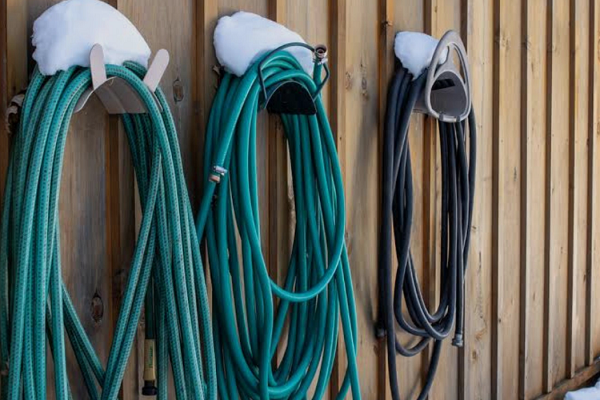
- 5/8-inch hoses fit wall-mounted and retractable reels well — choose a reel rated for the outer diameter so the hose is not pinched.
Dragging a water-filled hose across a planting bed is the chore that wears people out, regardless of size. If the hose has to cross a bed, crisp bed edges keep it from snagging and make watering day feel less like a wrestling match.
Fittings and Compatibility: Everything Still Threads the Same
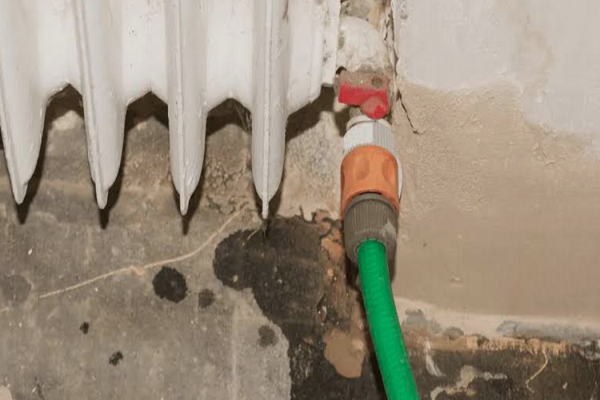
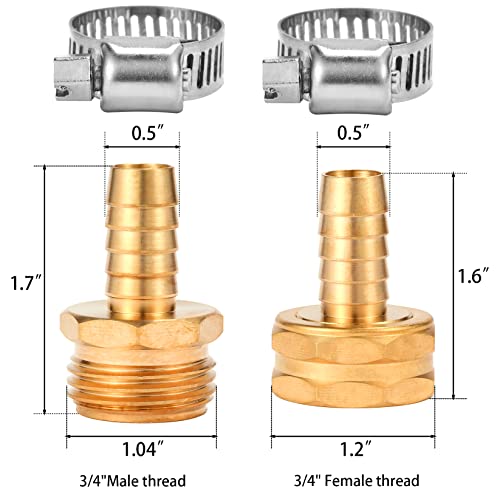
Here is the part that surprises many homeowners: virtually every garden hose sold in the U.S. uses the same 3/4-inch garden hose thread (GHT) on the ends, regardless of inner diameter. Your spigot, nozzle, sprinkler, and splitter will fit either size. You can upgrade from 1/2 to 5/8 without changing a single accessory.
The fitting quality matters more than most people think:
- Brass couplings last a decade; stamped aluminum corrodes fastest.
- Reinforced collars stop the hose from tearing where the fitting meets the rubber.
- Replaceable rubber gaskets prevent leaks at the connection.
- Quick-connect fittings rated for 5/8-inch flow avoid restriction at the tap.
If you connect a hose to anything you might drink from, choose one labeled potable-water safe. Modern restrictions on lead in brass — the same rules behind EPA's lead-free plumbing standards — have made safe fittings the norm, but it is still worth checking the label before buying.
Build a Mixed-Size System for the Best of Both
You do not have to pick one size for everything. The most practical layout uses each style where it works best:
- Run a 5/8-inch leader hose (5–10 ft) from the spigot to a brass splitter.
- Run a 5/8-inch main line to the farthest watering zone.
- Step down to a 1/2-inch branch for soaker hoses, drip line, or the patio.
- Use barbed reducers with stainless hose clamps for watertight stepped-down connections.
This hybrid setup gives you volume where it counts and light weight where you handle the hose most. It also means a failure in one branch does not take down the whole system — you can reroute around it with a spare mender.
Repairing a Garden Hose Instead of Replacing It
A decent hose lasts 5–10 years with care, and most failures happen at the ends, not in the middle.
- Split at the male end: cut off 2–3 inches, insert a brass mender, and tighten two stainless clamps.
- Leaking female coupling: replace the gasket first — that fixes most drips.
- Kink damage mid-hose: cut out the damaged section and join the two ends with a mender.
- Pinhole leaks: a hose patch compound can seal small holes, though repeated leaks signal the hose is done.
Keep a repair kit in both sizes if you run a mixed system. A $10 mender beats a $40 replacement hose, and the repair takes about five minutes.
Replace the hose instead when it has gone stiff and brittle, coils in permanent kinks, or leaks every few feet. Repairing is only worth it when the remaining material is still flexible and sound.
Water Pressure, Filters, and Water Quality
Your hose is connected to your home's water supply, so pressure and water quality affect both the hose and your plants.
If your home runs above 80 PSI at the spigot, install a pressure regulator. High pressure bursts cheap hoses and fittings, and it does not improve watering — most sprinklers perform best at 40–60 PSI. Excess pressure also atomizes the spray, wasting water.
A basic screen washer at the spigot stops debris from blocking nozzles. On well water with high iron content, rust-removing filtration keeps sprinkler heads clear and prevents unsightly staining on patios and siding.
The right hose size also helps conserve water. A wider hose shortens run times and lets sprinklers distribute water evenly, which reduces runoff and overspray. The USDA's agricultural water guidance emphasizes matching delivery to plant needs — the same principle applies at garden scale. In beds, a moisture-holding mulch over the soil cuts watering frequency, so the hose works less through the hottest weeks.
Seasonal Care That Extends Hose Life
A few minutes of upkeep each season keeps a hose working far longer.
Spring: inspect for winter cracks, replace worn gaskets, flush the line before attaching nozzles, and tighten fittings finger-tight — never with pliers.
Summer: drain the hose after each use, keep it out of direct sunlight when possible, and do not leave a pressurized hose connected unattended.
Fall and winter: drain completely before freezing temperatures arrive, coil it loosely indoors or in a shed, and disconnect it from the spigot to prevent ice damage.
FAQ
Which size gives better water flow?
The 5/8-inch hose. Its cross-sectional area is about 56% larger, so at the same household pressure it delivers roughly 8–10 GPM at 50 feet versus 5–6 GPM for a 1/2-inch. That extra volume shows up in sprinkler coverage, faster bucket fills, and better performance from foam attachments.
Will a 5/8-inch hose fit my spigot and nozzle?
Yes. Both sizes use the standard 3/4-inch garden hose thread on the ends. Only the inner diameter changes, so every nozzle, sprinkler, splitter, and reel will thread on without adapters.
Can I connect a 1/2-inch hose to a 5/8-inch hose?
Yes. Use a barbed reducer with stainless hose clamps, or a threaded step-down adapter. This is a common way to run a 5/8-inch main line to the garden and then step down to 1/2-inch for drip or soaker branches.
Is a 1/2-inch hose enough for a sprinkler?
Only for a short 25–30 foot run feeding a small, low-flow sprinkler. Impact and oscillating sprinklers need volume to reach their rated coverage, so a 5/8-inch feed is the safer choice once you are watering turf.
Does a shorter hose give more water pressure?
A shorter hose reduces friction loss, so more of the spigot's pressure reaches the nozzle and flow increases. The spigot pressure itself does not change, but end-of-hose performance is noticeably better with less length.
How do I measure a garden hose's inner diameter?
Check the label if it is still legible — it usually states the ID. If not, measure across the inside of the female coupling with a ruler, or use a wooden dowel: a 1/2-inch dowel fits loosely inside a 5/8-inch hose and snugly inside a 1/2-inch hose. Never judge by the outer diameter.
Is a rubber 5/8-inch hose worth the extra money?
Rubber is the most durable material and handles heat, sun, and rough use well. But it is heavy and stiff in cold weather. For most homeowners in 2026, a hybrid polymer 5/8-inch hose delivers most of that durability at roughly half the weight.
Final Verdict: The Best Buy for 2026
Buy the 5/8-inch hose as your primary line. It handles sprinklers, car washing, long runs, and high-flow attachments without a performance drop, and modern hybrid polymers have made the weight penalty smaller than ever.
Buy a 1/2-inch hose as a secondary line if you have a patio, containers, or quick hand-watering chores. It is the right tool when agility beats output.
The smart money setup: one quality 5/8-inch hybrid main hose, one short 1/2-inch spare, and a small kit of reducers and menders. That pairing covers everything from flooding a new lawn to mistising seedlings, and it will last well beyond 2026.
Before you buy, measure your longest run and check your spigot pressure. Then choose a 5/8-inch hybrid with brass couplings — it is the single upgrade that makes every watering job easier.