Hydrated Lime Vs Garden Lime: When, Why, And How 2026
Hydrated lime acts fast but risky; garden lime is slower, safer, steadier.
You test your soil. The pH is low. Your lawn looks tired and your tomatoes struggle. You hear two terms everywhere: hydrated lime and garden lime. Which fixes your soil fast? Which one is safe for your beds, your lawn, and your hydrangeas? I’ve managed turf and vegetable plots for years. I’ve learned when speed helps and when safety wins. In this hands-on guide, I break down hydrated lime vs garden lime in plain English. Then I review the top products to help you raise pH the right way for your goals.
Bonide Hydrated Lime Granules, 5 lb

This Bonide 5 lb bag contains hydrated lime granules. Hydrated lime, or calcium hydroxide, raises pH fast. These granules cut dust while keeping speed. That makes spot fixes easier and cleaner to apply.
Use with care. Hydrated lime can burn tender roots and leaves. It can also irritate skin and eyes. Test soil before use and apply only as needed. Wear gloves, a mask, and eye protection.
Pros:
- Very fast pH lift for acidic soil
- Granules spread cleaner than powder
- Useful for urgent corrections
- Small 5 lb size suits raised beds
- Can reduce soil-borne pathogens when used correctly
Cons:
- High burn risk if overapplied
- Not ideal for lawns or routine use
- Requires strict PPE and careful timing
My Recommendation
Pick this if you need a fast, careful pH bump in a small area. It suits experienced gardeners who understand hydrated lime vs garden lime and have a clear soil test target. It is not a casual lawn fix. For general gardens, pelletized garden lime is safer.
If you go this route, water it in well and keep pets away until settled. Apply in cool, calm weather. A little goes a long way with hydrated lime.
| Best for | Why |
|---|---|
| Rapid pH correction | Hydrated lime acts quickly to raise pH |
| Small, targeted fixes | Granules allow controlled spot applications |
| Experienced users | Higher risk than garden lime; needs careful use |
Bonide Hydrated Lime Granules, 10 lb
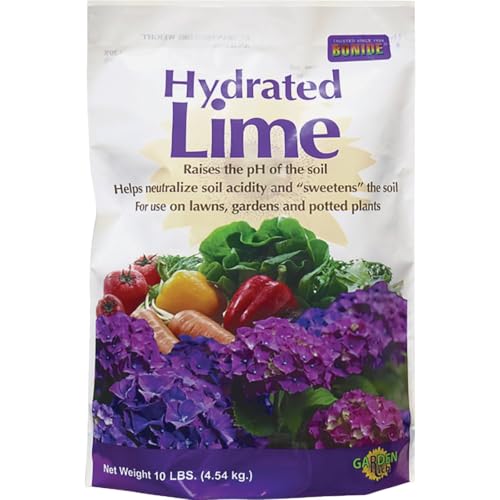
This is the larger 10 lb version of Bonide’s hydrated lime granules. It is designed for faster soil pH correction than standard limestone. Granules help tame dust and spread more evenly. It’s better for larger beds that still need careful handling.
I advise using this in vegetable beds between seasons. Always base your rate on a lab test. Hydrated lime vs garden lime is a safety choice as much as a speed choice. When in doubt, go slow and retest.
Pros:
- Fast-acting neutralization
- Granular form reduces dust
- Good size for mid-size plots
- Can help manage certain soil pests
- Effective where quick pH change is essential
Cons:
- Higher risk of plant burn
- Not for routine lawn use
- Requires protective gear and careful storage
My Recommendation
Choose this if you manage multiple beds and need fast pH adjustment before planting. It suits growers who know their numbers and respect hydrated lime’s power. For most lawns and perennials, garden lime is the safer, steadier path in the hydrated lime vs garden lime debate.
I suggest splitting the dose. Apply half, water in, wait two weeks, and retest. Adjust only if needed.
| Best for | Why |
|---|---|
| Experienced vegetable growers | Fast pH correction between crop cycles |
| Acute low pH issues | Rapid action versus slow limestone |
| Dust-sensitive sites | Granules spread cleaner than powders |
Espoma Organic Garden Lime, 5 lb (2-Pack)

Espoma’s pelletized dolomitic limestone is a garden staple. It raises pH gently and adds calcium and magnesium. The pellets spread well with a hand or drop spreader. This 2-pack is handy for yards and bigger beds.
Dolomite is best when soil tests low in magnesium. It is safer around lawns and perennials than hydrated lime. You will not see an overnight change. But you will see steady, lasting results with routine use.
Pros:
- Safe, gradual pH increase
- Pelletized for easy, low-dust spreading
- Adds magnesium for plant health
- Good for lawns and ornamentals
- Organic gardening friendly approach
Cons:
- Slower to act than hydrated lime
- Not ideal if soil already high in magnesium
- May need repeat applications based on soil test
My Recommendation
This fits most home gardens. If you value safety and steady gains in the hydrated lime vs garden lime choice, pick this. It is great for lawns, hydrangeas you want pink, and vegetable beds with low magnesium.
Spread in fall or early spring. Water in or let rain do it. Retest soil every year for best results.
| Best for | Why |
|---|---|
| Lawns and perennials | Gentle, safe pH lift without burn risk |
| Hydrangeas to pink | Raises pH to reduce aluminum uptake |
| Low magnesium soils | Dolomite supplies magnesium and calcium |
Jobe’s Organics Garden Lime, 6 lb Powder

Jobe’s Organics Garden Lime is a fine powder that works a bit faster than pellets. It is still calcium carbonate, so it is safe and steady compared to hydrated lime. The powder blends into beds well. It is handy for raised beds and small plots.
Expect some dust on windy days. Wear a mask if sensitive. For lawns, use a spreader with a cover or choose pellets. This powder is a solid choice when you want a little more speed without the risks of hydrated lime.
Pros:
- Safer than hydrated lime
- Finer grind speeds reaction slightly
- Easy to blend into raised beds
- Supports organic gardening
- Clear directions for application
Cons:
- Dustier than pellets
- Harder to spread evenly on large lawns
- Slower than hydrated lime for urgent fixes
My Recommendation
I like this for bed prep. It offers a nice middle ground in the hydrated lime vs garden lime conversation. It is safer than hydrated lime, yet quicker than coarse pellets. It suits gardeners who mix soil by hand.
Blend lightly into the top few inches. Water in. Retest each season to fine-tune your rate.
| Best for | Why |
|---|---|
| Raised beds | Powder mixes in easily for even pH |
| Dust-tolerant applications | Finer grind, faster than pellets |
| Organic growers | Safe, steady pH change without caustic burn |
Organic Dolomite Lime, 5 lb OMRI

This OMRI Listed dolomite lime adds calcium and magnesium while lifting pH. It is suitable for organic systems. The particle size is tuned for garden use. It targets blossom end rot risk by supporting calcium nutrition.
Remember, blossom end rot often ties to water stress too. Lime helps by building calcium over time. It will not fix a current fruit. It sets your soil up for future fruit set.
Pros:
- Certified for organic use (OMRI)
- Supplies calcium and magnesium
- Steady, safe pH rise
- Good for tomatoes and peppers
- Resealable bag for small gardens
Cons:
- Not for high magnesium soils
- Slow to correct severe acidity
- May need multiple applications per soil test
My Recommendation
Use this if you want organic, steady soil improvement. In the hydrated lime vs garden lime choice, this wins for ease and safety in food gardens. It is great for container mixes too, in modest amounts based on media pH.
Apply before planting and mix in. Water well. Recheck pH every 6–12 months.
| Best for | Why |
|---|---|
| Organic vegetable gardens | OMRI Listed and plant-safe |
| Tomatoes and peppers | Supports calcium to reduce end rot risk |
| Gentle pH lift | Safer than hydrated lime with lasting effect |
True Organic Garden Lime, 6 lb

True Organic’s garden lime is designed to reduce acidity in a gentle way. It is well-suited for ornamentals, lawns, and food crops. The granules spread easily and break down with moisture. It’s a safe go-to for gradual pH tuning.
Use it to help hydrangeas turn pink by raising soil pH. Combine with mulch and regular soil checks. This product leans into safety and consistency. It is a better everyday tool than hydrated lime for most yards.
Pros:
- Safe for routine liming
- Granular form reduces dust
- Good for lawns and flower beds
- Works with standard spreaders
- Backed by organic-focused brand
Cons:
- Slower than hydrated lime
- Results build over months
- Needs soil test to set rate
My Recommendation
Pick this if you want a reliable, low-risk way to raise pH across your yard. In the hydrated lime vs garden lime matchup, this garden lime wins for general homeowners and new gardeners. It is hard to mess up if you follow the bag and your soil test.
Apply in fall or spring for best results. Water in. Be patient and enjoy the steadier shift.
| Best for | Why |
|---|---|
| Home lawns | Granules spread well and act gently |
| Hydrangea color change | Raises pH to promote pink blooms |
| New gardeners | Lower risk than hydrated lime |
Organic Dolomite Lime Prilled, 5 lb OMRI
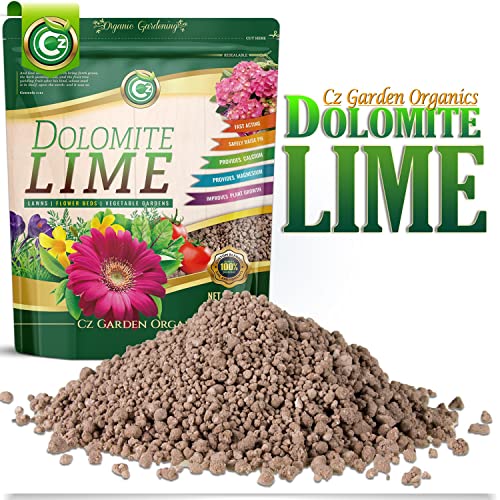
This prilled dolomite lime is OMRI Listed and easy to spread. Prills are small pellets that reduce dust. They break down with water to adjust pH and add magnesium. It is great for beds, lawns, and containers.
Use dolomite when your soil test shows low magnesium. If magnesium is already high, choose calcitic lime instead. This product is a clean, simple way to build a better soil base. It is safe around most plants when applied as directed.
Pros:
- OMRI Listed for organic systems
- Prilled form spreads very evenly
- Supplies calcium and magnesium
- Low dust for clean application
- Good for lawns and garden beds
Cons:
- Not ideal for high-magnesium soils
- Slower than hydrated lime for emergencies
- Needs moisture to break down
My Recommendation
Choose this if you want neat application with organic credentials. In the hydrated lime vs garden lime decision, prilled dolomite lime is a safe, smart pick for most gardeners. It is tidy, predictable, and supports long-term soil health.
Use a spreader for lawns or hand-apply in beds. Water in for best results. Retest soil in 6–12 months.
| Best for | Why |
|---|---|
| Tidy applications | Prills reduce dust and clumping |
| Organic gardens | OMRI Listed and plant-safe |
| Balanced nutrition | Adds magnesium along with calcium |
Down To Earth Prilled Garden Lime, 5 lb

Down To Earth’s prilled garden lime is calcitic limestone. It raises pH while adding calcium without extra magnesium. That makes it ideal for soils that already test medium to high in magnesium. The prills spread very evenly.
Calcitic lime is a favorite for lawns in many regions. It is gentle and long-lasting. You can apply in fall and let winter moisture do the work. It is a safer, steadier choice than hydrated lime for routine turf care.
Pros:
- Calcitic lime for Mg-heavy soils
- Prilled form reduces dust
- Safe for lawns and garden beds
- Easy use with broadcast spreaders
- Trusted brand with clear labeling
Cons:
- Slower than hydrated lime
- Needs repeat use for heavy clay soils
- Prills can roll on steep slopes
My Recommendation
Use this when soil magnesium is already fine and you want a clean, steady pH lift. In the hydrated lime vs garden lime decision, calcitic garden lime like this is my go-to for lawns. It is easy to spread and hard to overdo.
Apply with a drop or broadcast spreader. Water in. Retest soil every year to dial in the rate.
| Best for | Why |
|---|---|
| Lawns on clay or loam | Gentle, even application with prills |
| High-Mg soils | Calcitic lime adds calcium only |
| Routine pH maintenance | Safe, steady effect over months |
Espoma Organic Garden Lime, 6.75 lb

This 6.75 lb Espoma bag is great for ongoing pH tuning. The pelletized dolomite spreads easily and acts gently. It is a safe choice for beds and lawns. You also get the bonus of magnesium for balanced nutrition.
Use it to nudge hydrangeas toward pink blooms. And use it to stabilize pH in vegetable beds before spring. It is simple, predictable, and user-friendly. It is the opposite of “too strong,” which is why I like it for most homes.
Pros:
- Pellets reduce dust and mess
- Dolomite adds magnesium
- Safe for lawns and perennials
- Easy to spread by hand or spreader
- Trusted brand support
Cons:
- Slow to change very acidic soils
- May not suit high-magnesium soils
- Needs ongoing applications for heavy rainfall zones
My Recommendation
Choose this for regular pH care around your home. In hydrated lime vs garden lime, this product shows why garden lime wins for safety, simplicity, and broad use. It is perfect for homeowners who want results without risk.
Spread evenly. Water in. Check pH again next season and repeat as needed.
| Best for | Why |
|---|---|
| Hydrangea fans | Raises pH to support pink colors |
| Easy lawn care | Pellets spread clean with low dust |
| Balanced soil nutrition | Dolomite supplies magnesium and calcium |
Espoma GL6 Garden Lime, 6.75 lb (2-Pack)

Get two 6.75 lb bags for larger areas. This is Espoma’s same dolomitic pellet formula in a value 2-pack. It is great for season-long care over a bigger lawn or multiple beds. The pellets are easy to handle and store.
Choose dolomite if your soil test shows low magnesium. If your magnesium is already high, use a calcitic lime like the Down To Earth prilled option. Either way, pelletized limestone is the safer path compared to hydrated lime for most routine needs.
Pros:
- Value 2-pack for bigger jobs
- Pelletized for clean, even spread
- Adds magnesium and calcium
- Safer than hydrated lime for lawns
- Reliable brand and product consistency
Cons:
- Heavier bags to handle
- Not for high-magnesium soils
- Slow compared to hydrated lime
My Recommendation
Pick this if you manage a larger lawn or multiple beds and want safe, steady pH control. The hydrated lime vs garden lime question is easy here. For big, routine jobs, garden lime pellets are the smart, stress-free choice.
Plan your spread rate from a soil test. Use a broadcast spreader for speed. Water in and let time do the work.
| Best for | Why |
|---|---|
| Large lawns | Two bags cover more area with ease |
| Multi-bed gardens | Pellets simplify even coverage |
| Routine maintenance | Safe, steady pH management |
Hydrated Lime vs Garden Lime: What You Need to Know
Before we jump into the final products, here’s a quick, clear guide to help your choice stick. Hydrated lime is calcium hydroxide. It is caustic and fast. It can burn plants and skin. It is best for urgent soil corrections and only with strict safety.
Garden lime is usually ground limestone. It is either calcitic (calcium carbonate) or dolomitic (calcium magnesium carbonate). It acts slowly and is safer. It’s the better routine tool for lawns and beds. Here is a simple way to think about hydrated lime vs garden lime: speed versus safety.
Use soil tests. Every 1.0 pH point change can take very different lime rates based on soil texture and organic matter. Sandy soils need less. Clay soils need more. Split applications are wise. Water in and wait. Retest before adding more.
FAQs Of hydrated lime vs garden lime
Is hydrated lime safe for lawns?
No, not for routine use. It can burn turf. Choose pelletized garden lime for lawns unless a pro advises otherwise.
How fast does garden lime work?
It is slow. Expect a gradual change over weeks to months. Full effect may take a season.
When should I apply lime?
Fall and early spring are best. Soil moisture helps. Avoid hot, windy days for safer handling.
Should I use dolomitic or calcitic lime?
Base it on your soil test. If magnesium is low, use dolomitic. If magnesium is adequate or high, use calcitic.
Can lime fix blossom end rot right away?
No. Lime builds calcium in soil over time. Water management and consistent feeding also matter a lot.
Final Verdict: Which Should You Buy?
For most homes, choose garden lime. It’s safer, steadier, and easy to spread. Pelletized options from Espoma, True Organic, and Down To Earth fit lawns and beds well.
Pick hydrated lime only for urgent fixes and handle with care. In hydrated lime vs garden lime, safety and control win. Go slow, test soil, and your plants will thank you.