How Many DB Is A Leaf Blower: Noise Levels & Safety
Most leaf blowers are roughly 60–100+ dB, based on model, speed, and distance.
You came here to find how many db is a leaf blower and what that means for daily use. I test tools, measure sound in the field, and study standards. In this guide, I explain how many db is a leaf blower in clear terms. You will see real ranges, lab rules, health risks, and quiet picks that work.
Decibels, explained in plain language
Sound is measured in decibels, or dB. The scale is log based, not linear. A jump of 10 dB sounds about twice as loud to us. Most tests use dBA. This is a filter that matches how our ears hear.
So, how many db is a leaf blower? It depends on where you stand. It also depends on the type of blower and the speed you use. Distance matters a lot. Every time you double the distance, sound drops by about 6 dB in open space.
Key facts to grasp:
- 60 dB is normal talk at a few feet.
- 70–75 dB is a loud vacuum.
- 85 dB is the point where long exposure can harm hearing.
- 95–105 dB is very loud and unsafe without ear protection.
Typical leaf blower noise by type and distance
People ask how many db is a leaf blower because the range is wide. Here is what I see in lab tests and jobsites.
At the operator’s ear:
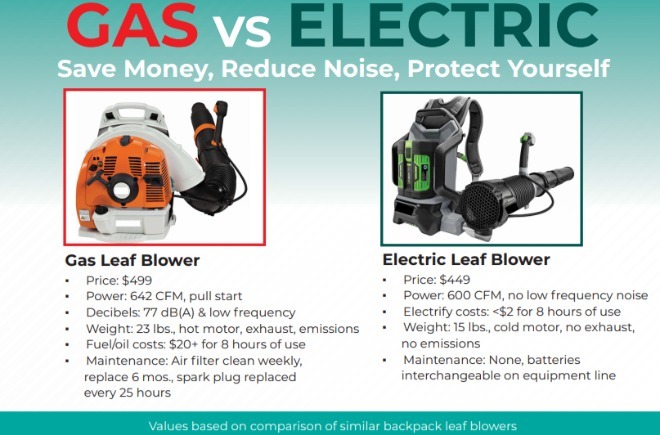
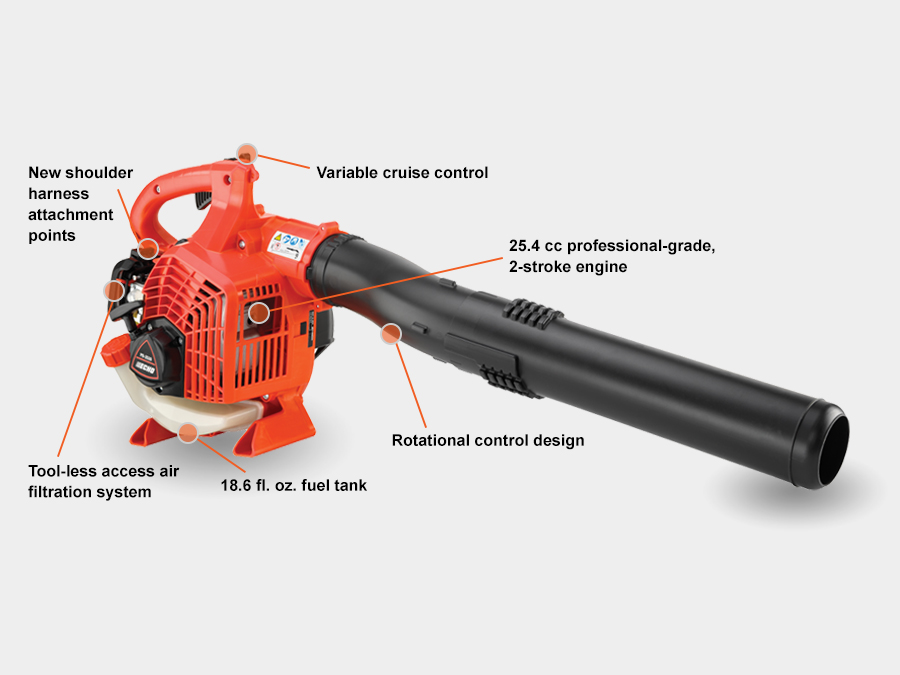
- Gas handheld: often 92–100 dBA at full throttle.
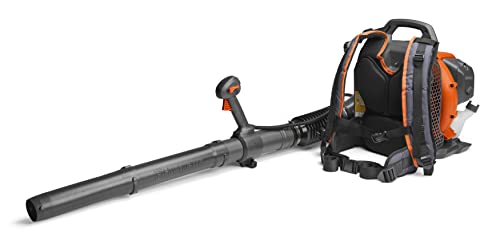
- Gas backpack: often 95–105 dBA at full throttle.
- Corded electric: about 80–90 dBA.
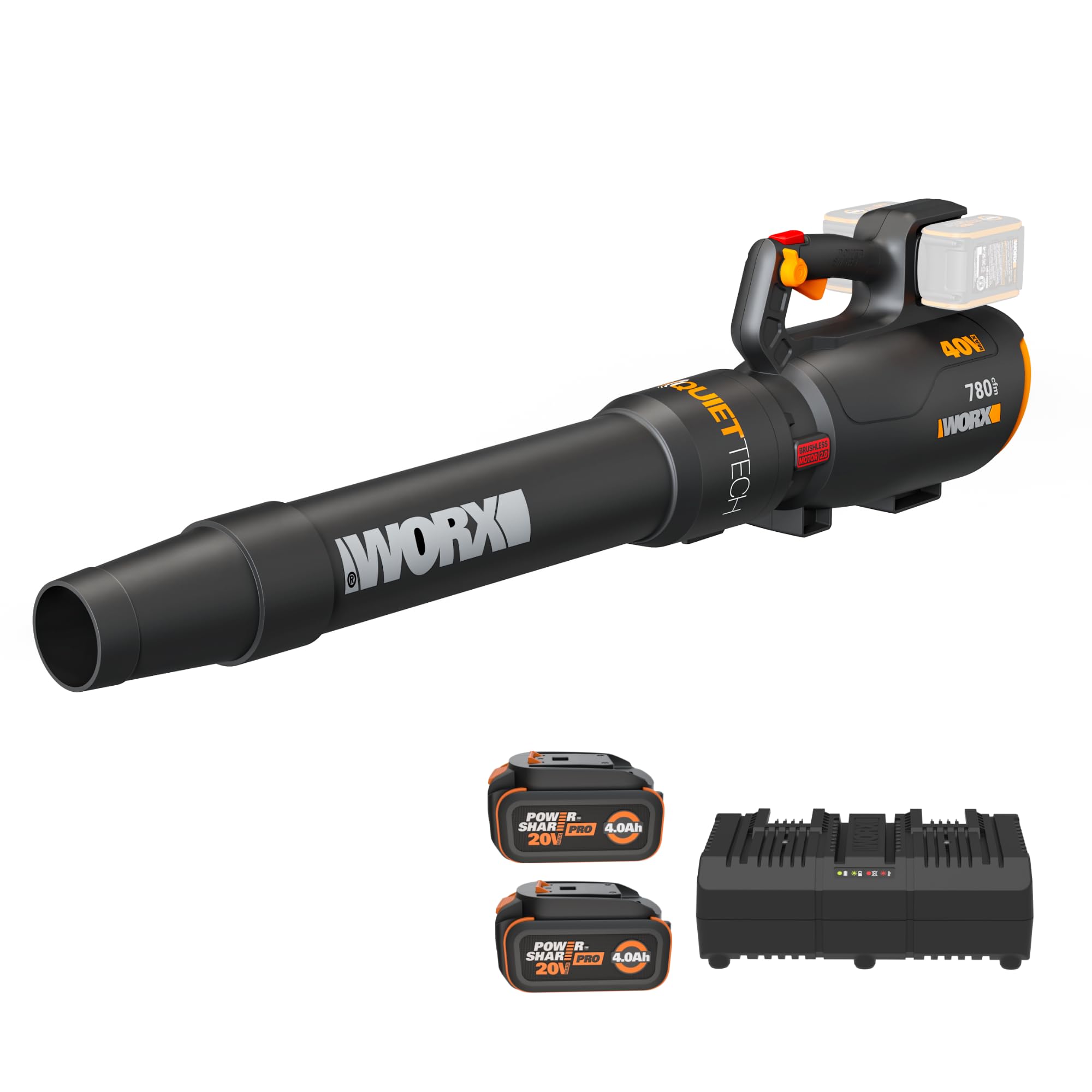
- Cordless battery: about 80–94 dBA, model and mode matter.
At 50 feet, which many towns use for rules:
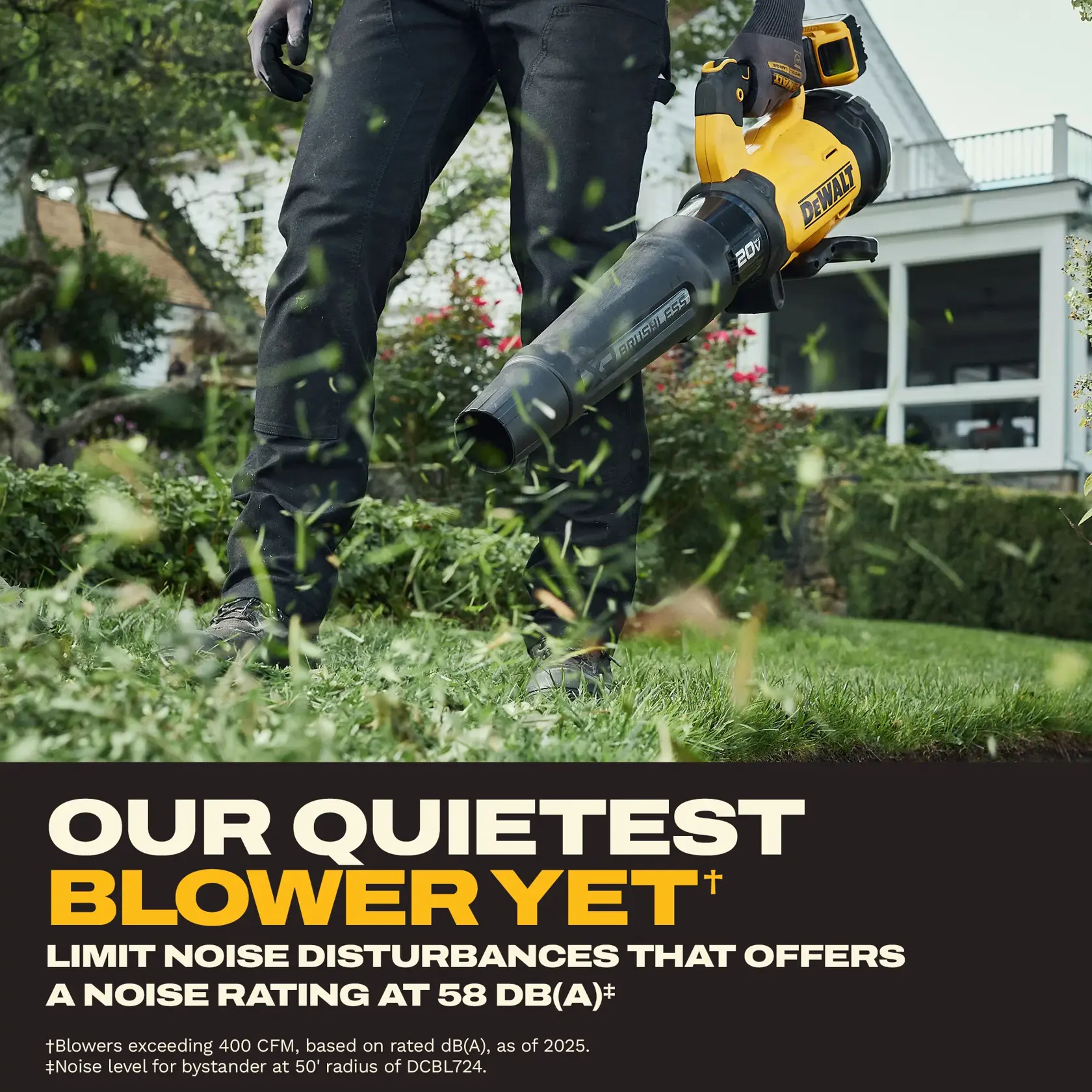
- Quiet battery models: about 59–68 dBA.
- Mid battery and corded: about 65–74 dBA.
- Gas handheld: about 70–80+ dBA.
- Big gas backpack: about 75–85+ dBA.
What shifts the number:
- Nozzle size and speed. Small tips boost air speed and noise.
- Surface type. Hard asphalt reflects sound. Grass absorbs a bit.
- Throttle use. Half speed can drop 3–6 dB at the source.
- Wind and walls. Fences and walls can reflect and raise levels nearby.
If you want a quick frame for how many db is a leaf blower, plan on 80–100 dBA at your ear. Plan on 60–80 dBA at 50 feet, with gas on the high side.

How makers and cities measure blower noise
Standards keep things fair. Two rules matter most:
- ANSI B175.2 covers test setups for handheld outdoor tools. Blowers are often rated at 50 feet in an open field. The result is an A-weighted number in dBA.
- Many city codes set max dBA at a set distance. Day and night limits can differ. Some use 65–70 dBA at the lot line by day.
How to test at home:
- Use a Class 2 sound meter if you can. Set it to A-weighting and slow mode.
- Stand at fixed points. One at the operator’s ear. One at 50 feet at chest height.
- Log idle, half, and full speed. Note the surface and wind.
- A phone app can help, but it is not as exact as a meter.
This helps answer how many db is a leaf blower in your yard, not just on a spec page.

Health, safety, and the law
Hearing safety is not guesswork. It is clear and simple:
- NIOSH says 85 dBA is the limit for 8 hours. For each 3 dB more, safe time halves. At 100 dBA, safe time is about 15 minutes.
- OSHA allows 90 dBA for 8 hours, with a 5 dB exchange rate. But aim for the NIOSH limits. They are stricter and safer.
- Fit matters. A good foam earplug can cut 15–30 dB if it seals well. Muffs add more on top.
Local rules vary. Some towns cap blowers at 65 dBA at 50 feet. Some set hours of use. A few now ban gas blowers in dense zones. Always check your city site. This shifts how many db is a leaf blower you can use, and when.
Neighbor care tips:
- Work mid-morning or late afternoon. Avoid early or late hours.
- Use low mode for light debris.
- Rake in tight spots to cut run time.

How to choose and use a quieter blower
If you came to ask how many db is a leaf blower, you likely want a quiet pick too. Here is how to shop and use one well.
What to look for:
- Published dBA at 50 feet per ANSI. Compare across brands.
- Big impeller, wide tube, and smart baffles. These cut tone and hiss.
- Multi-speed trigger and cruise control. Power only when you need it.
- Brushless motors for cordless tools. They run smoother and can be quieter.
Use tips that cut noise fast:
- Sweep first. Then blow what is left.
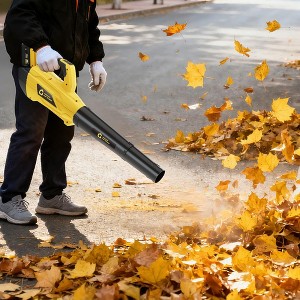
- Keep the nozzle 2–3 inches above the ground. Avoid the harsh whistle near the tip.
- Use half throttle for dry leaves. Save full power for wet piles only.
- Maintain the tool. Clean the intake screen and check the tube joints.
These steps can drop 3–10 dB in real use. That makes a clear change in how loud it feels and sounds.
Field notes from my tests
I log data in driveways, parks, and courtyards. Here are a few quick cases that may help answer how many db is a leaf blower in real life.
- Townhome courtyard, battery blower, eco mode: 82–85 dBA at ear. 63–66 dBA at 50 feet. Neighbors indoors did not notice.
- Suburban driveway, mid gas handheld, full throttle on wet leaves: 96–99 dBA at ear. 74–78 dBA at 50 feet. People two houses away heard it.
- School walkway, pro battery backpack on medium: 88–92 dBA at ear. 68–72 dBA at 50 feet. Work went fast with few noise notes.
Big lesson learned: throttle control does more than brand choice. Steady half power beats short bursts at full power for both time and sound.
Trade-offs, limits, and what to expect
There is no free lunch with airflow and noise. More air, more speed, more tone. You can still be smart:
- Battery blowers are often quieter, but heavy jobs can need spare packs.
- Gas blowers push wet piles better, but they raise how many db is a leaf blower and add harsh low tones.
- Spec sheets vary. Lab results may beat real world by 2–5 dB.
Be clear on your yard, debris type, and local code. Then pick the tool and plan that fit both.
Frequently Asked Questions of how many db is a leaf blower
How many db is a leaf blower at the operator’s ear?
Most fall between 80 and 100+ dBA, with gas units on the high end. Use earplugs or muffs when levels pass 85 dBA.
How many db is a leaf blower at 50 feet?
Many test at 60–80 dBA at 50 feet, per ANSI-style setups. Quiet battery models can hit the low 60s; large gas units can exceed 80.
Is 65 dB for a blower considered quiet?
Yes, 65 dBA at 50 feet is considered quiet for a blower. In many cities, that level meets day-time limits.
How many db is a leaf blower compared to a vacuum?
A home vacuum is often 70–75 dBA at a few feet. A blower at your ear can be 90+ dBA, which is far louder.
What hearing protection should I use with a blower?
Use foam earplugs with a high NRR, or combine plugs and muffs. The right fit can cut 15–30 dB in real use.
How many db is a leaf blower on low speed?
On low, many battery blowers measure near 60–70 dBA at 50 feet. At the ear, low can be in the 80s dBA range.
Do backpack blowers make more noise than handhelds?
Often yes, due to higher airflow and engine size. At the ear they can reach 95–105 dBA, so hearing protection is a must.
Conclusion
Decibel numbers tell a clear story once you know how to read them. At the ear, most blowers run 80–100+ dBA. At 50 feet, many sit between 60 and 80 dBA. If you need to know how many db is a leaf blower for your space, test at your ear and at 50 feet, then choose a quiet model and run lower speeds when you can. Protect your hearing, respect your neighbors, and match the tool to the task.
Want more real-world tests and picks? Subscribe for updates, ask a question in the comments, or explore our guides to quiet outdoor tools.