How Much To Charge Leaf Removal: Pricing Guide 2026
Charge $50–$100 per hour or $150–$500 per visit, plus disposal.
If you’re stuck on how much to charge leaf removal, this guide breaks it down with clarity and proof. I’ve priced, sold, and delivered hundreds of cleanups. You’ll see what drives cost, how to build a fair rate, and how to quote with confidence so every job turns a profit.

Key factors that affect leaf removal pricing
When you ask how much to charge leaf removal, start with the variables. They set your floor price and your ceiling.
- Property size and access. Larger yards take more time. Tight gates, hills, and long drags slow you down.
- Leaf volume and tree species. Oaks, maples, and sycamores drop heavy loads. Wet leaves double the work.
- Obstacles and beds. Rocks, mulch, fences, and pool areas need careful blower work.
- Equipment and crew size. Backpack blowers, walk‑behind blowers, and truck loaders raise production.
- Distance and dump fees. Travel time and yard waste costs add real dollars.
- Timing and urgency. First and final fall cleanups cost more. Rush jobs carry a premium.
- Local market rates. City rates run higher than rural rates. Competition matters.
In my crews, wet leaves and wind were the two big wild cards. We learned to pad time by 20% when rain was in the forecast.

Pricing models that work
Choosing a model answers how much to charge leaf removal in a way clients understand and you can defend.
- Hourly rate. Simple to explain. Common range is $50–$100 per worker hour.
- Flat per visit. Quote a number for the scope. Great for repeat clients.
- Per bag or cubic yard. Charge by volume removed. Clear and fair when loads vary.
- Per square foot or acre. Good for HOA or commercial sites.
- Seasonal plan. Two to four visits for one price. Smooths cash flow.
- Tiered packages. Basic blow and pile, standard bag and curb, premium haul and disposal.
Pros pick one primary model and a backup. I used flat per visit plus a clear disposal line item. That kept quotes clean and protected profits.

A step‑by‑step way to calculate your rate
Here is a simple path to decide how much to charge leaf removal without guessing.
- Figure true labor cost
- Hourly wage + payroll tax + workers’ comp + benefits.
- Example: $22 wage becomes $30–$34 burdened per hour.
- Add overhead and profit
- Fuel, blades, oil, admin, marketing, insurance.
- Common markup: 30–50% over hard costs.
- Know your production rate
- Leaves moved per hour per crew with your gear.
- Example averages:
- Backpack blowers only: 5,000–8,000 sq ft per hour.
- Add walk‑behind blower: 8,000–12,000 sq ft per hour.
- Add truck loader: hauling is faster and cleaner.
- Price disposal
- Yard waste dump: $10–$30 per cubic yard in many markets.
- Bag fees: charge per bag or per yard.
- Account for travel and setup
- Add 0.5–1.0 hour for small jobs. More for long drives.
- Add a risk buffer
- Add 10–25% for wet leaves, wind, or steep terrain.
Quick example
- Townhome, 4,000 sq ft, light to medium leaves.
- Two workers, 1.25 hours on site = 2.5 labor hours.
- Burdened labor at $32 = $80.
- Fuel and wear = $8.
- Disposal = $20.
- Subtotal = $108. Add 40% margin = $151.
- Round to $175 per visit. Include “extra heavy leaf” clause.
Now you can defend how much to charge leaf removal with math, not hope.
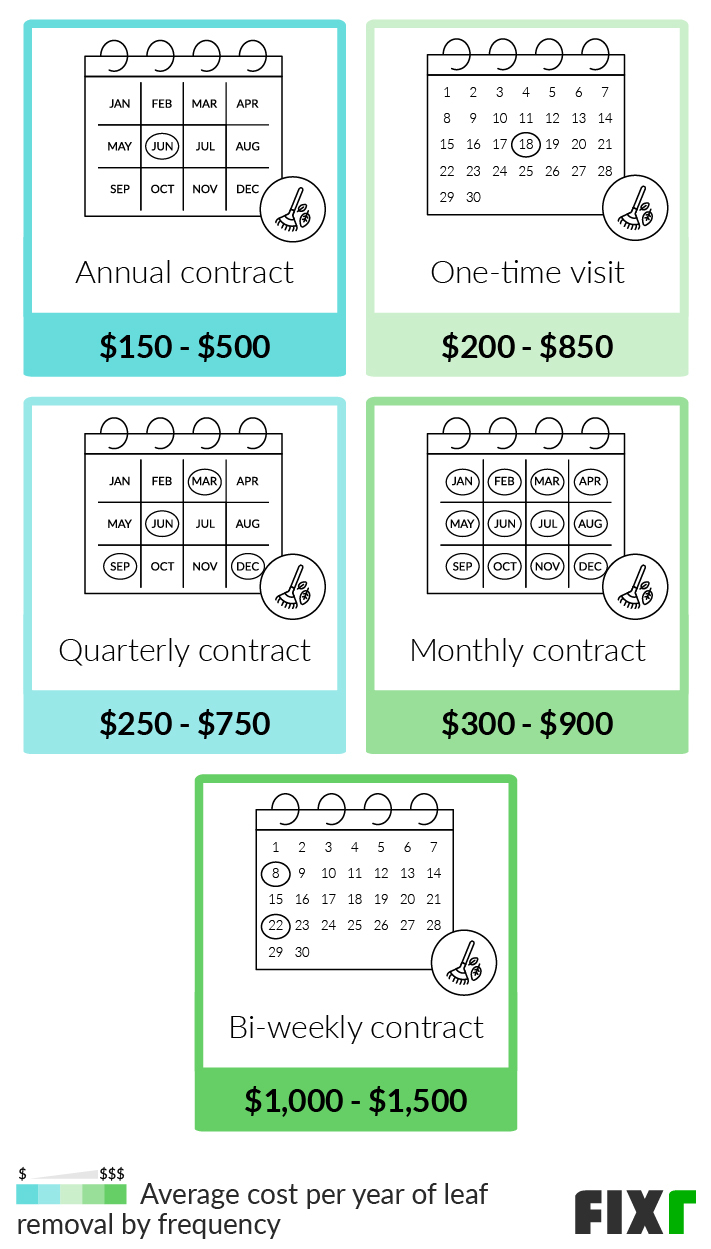
Typical price ranges you can use today
When pros search how much to charge leaf removal, they want ranges that fit real yards. Use these as a starting point and adjust for your area and scope.
- Small lot up to 5,000 sq ft: $100–$250 per visit
- Quarter acre: $200–$400 per visit
- Half acre: $300–$650 per visit
- One acre: $500–$1,000+ per visit
- Bag and curb only discount: 10–20% off hauling rates
- Gutter add‑on: $75–$200 per level
- Hauling and disposal: $30–$150 extra, volume based
- Seasonal plan (2–4 visits): $300–$1,200+, property driven
Your final answer to how much to charge leaf removal should reflect leaf volume, access, and local dump costs. Always define what is included.

On‑site estimating checklist and sample script
You close more jobs and price right when your process is tight. It also keeps how much to charge leaf removal consistent across your team.
Walk the site
- Count trees and note species.
- Check slope, gates, and bed edges.
- Look for wet spots and tight corners.
- Note city leaf pickup rules and curb space.
Ask quick questions
- How often do they want service?
- Do they want bag to curb or full haul away?
- Any pet areas or fragile plants to protect?
Sample quote script
- “For this size and leaf load, we can do a standard cleanup for $325, which includes blowing, bagging, and curb placement. Full haul away adds $60. If leaves are double what we see today, we’ll cap extra time at $90 per hour. Would you like curb or haul away?”
This script answers how much to charge leaf removal in plain terms. Clients feel safe when they hear a cap.

Regional and seasonal factors
Your zip code shapes how much to charge leaf removal. So do weather and town rules.
- Urban cores see higher labor and dump fees. Prices rise 10–30%.
- Suburbs with city leaf pickup lower haul costs. Flat rates work well.
- Rural areas have more travel time. Use a minimum charge or zone fee.
- Wet fall seasons slow work. Raise rates late season or add a “final pass” premium.
- Storm weeks spike demand. Surge pricing or rush fees protect your schedule.
When I served a city with free curb pickup, curb jobs outsold haul away 3 to 1. That shifted how much to charge leaf removal in my bids by $40–$80.
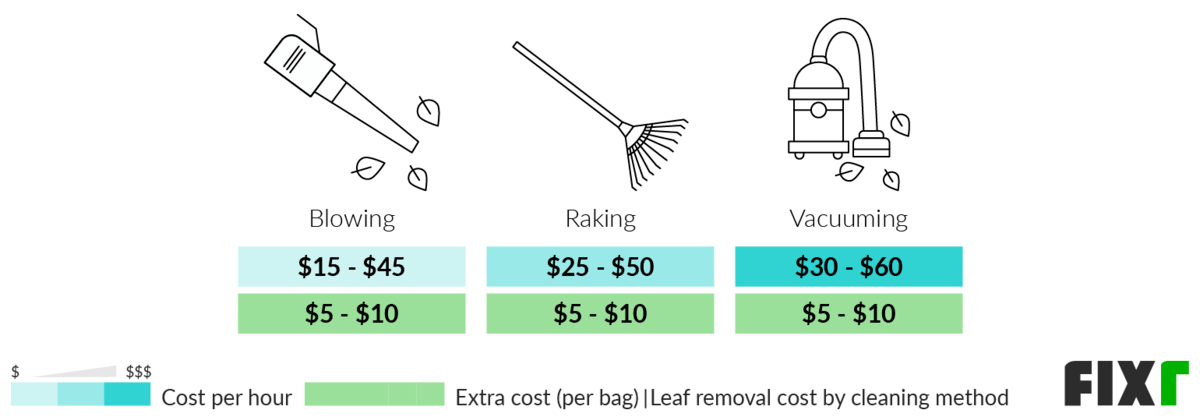
Equipment, productivity, and crew planning
Your gear answers how much to charge leaf removal because it sets your speed.
- Backpack blowers. Great control near beds and decks. Two blowers beat rakes by 3–4x.
- Walk‑behind blowers. Move piles fast in open turf. Save backs and minutes.
- Tarps, bins, and baggers. Cut trips across the yard.
- Truck loader and dump trailer. Essential for premium haul away jobs.
- PPE and workflow. Protect ears, eyes, and lungs. Keep crews safe and quick.
Tip: Wet leaves are like soggy cardboard. When rain hits, raise the quote, split the job in two passes, or reschedule. That one choice saved us hours and guarded margins.
Packages, upsells, and minimums
Clear packages make how much to charge leaf removal easy to understand and sell.
- Basic. Blow beds and turf, pile in one spot. $99–$249 for small lots.
- Standard. Blow, bag, and curb placement. $150–$500 based on size.
- Premium. Full cleanup plus haul away. $200–$800+ with disposal.
Smart upsells
- Gutter cleaning, hedge trim, fall fertilizer, aeration, mulch refresh.
- Pet waste add‑on. Charge a small fee and bring bags.
Set guardrails
- Minimum service charge. $99–$149 common in many towns.
- Travel or zone fee beyond your core area.
- Heavy debris clause for sticks, pods, and pine needles.
These tools keep how much to charge leaf removal fair for both sides and help you grow profit per stop.
Mistakes to avoid and lessons learned
New owners often underprice. Here is what cost me money early on and how I fixed it.
- Skipping disposal fees. Always list hauling apart from labor.
- No minimum. Tiny jobs ate travel time. I set a $129 minimum.
- Guessing production. We timed three jobs and built real rates.
- Promising one pass. Heavy oaks take two passes. I sold two‑pass packages.
The fastest way to master how much to charge leaf removal is to track time, note leaf load, and compare your estimate to hours worked. Do this for ten jobs and your bids will lock in.
Legal, insurance, and payment terms
Trust supports price. Clients say yes when you show you run a real business.
- Insurance. General liability and workers’ comp protect all sides.
- Licenses and taxes. Follow your local rules for yard waste hauling.
- Clear terms. Written scope, weather clause, and extra time rates.
- Payments. Card on file or deposit for first‑time clients.
- Cancellations. Weather moves you, not the client. Reschedule rules should be clear.
Put these in every quote. It makes how much to charge leaf removal feel justified and professional.
Marketing tips to win more leaf jobs
Strong marketing brings steady leads so you can stand firm on price.
- Google Business Profile. Post before‑and‑after photos weekly.
- Reviews. Ask after each job with a text link and photo.
- Quick quotes. Respond in under an hour when possible.
- Web pages. Create a page that answers how much to charge leaf removal with ranges, photos, and a form.
- Local SEO terms. Use leaf removal, yard cleanup, fall cleanup, gutter cleaning, and haul away.
When your site explains how much to charge leaf removal in plain words, clients pre‑qualify themselves. Sales get easier.
Frequently Asked Questions of how much to charge leaf removal
What is a fair hourly rate for leaf removal?
Most markets support $50–$100 per worker hour. Higher rates fit urban areas, rush jobs, and heavy loads.
Should I charge per bag or per visit?
Per visit is simpler for most homes. Per bag or per cubic yard works well when leaf volume swings a lot.
How do I price hauling and disposal?
Charge based on volume and dump fees. Many pros add $30–$150 per load depending on distance and yard waste rates.
Do I need a minimum charge?
Yes. A minimum like $99–$149 protects you from travel and setup time on small jobs. It also sets clear expectations.
How often should I schedule fall cleanups?
Two to three visits is ideal in heavy leaf zones. Early, peak, and final pass keep lawns clean and costs lower.
How do weather and wet leaves change pricing?
Wet leaves slow work by 20–50%. Add a weather clause and pad time or split into two visits.
Can I estimate by square footage?
Yes, when combined with leaf load and access. Create tiers for small, medium, and large lots, then adjust for volume.
Conclusion
You now have a clear path to decide how much to charge leaf removal with confidence. Use your true costs, your production rate, and a simple scope to set fair prices that protect profit. Test your numbers for ten jobs, refine, and you will quote fast and win more.
Ready to put this to work? Build your price sheet today, add a minimum, and publish your ranges on your site. Subscribe for more field‑tested pricing guides and drop your questions in the comments.