
What Causes A Chainsaw To Kick Back: Safety Guide 2026
Kickback happens when the bar’s upper tip grabs and throws the saw back.
If you want a safe, smooth cut every time, you need to know what causes a chainsaw to kick back. I’ve trained crews, cleared storm damage, and tuned hundreds of saws. In this guide, I break down the physics, the real triggers, and the simple habits that stop kickback before it starts.

What chainsaw kickback is and why it matters
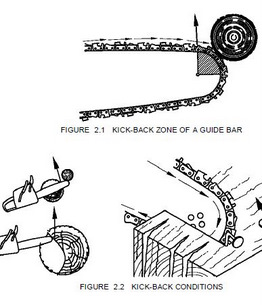
Kickback is a sudden, violent rise or sweep of the bar toward the operator. It often starts when the chain near the bar’s upper tip hits something solid. The saw pivots fast. Control can vanish in a blink.
There are two common forms. The classic tip kickback lifts the bar up and back. A pinch kickback drives the bar toward you when the kerf closes. Both can happen even to careful users.
Standards and training stress this risk. Safety groups teach that milliseconds matter. A good chain brake helps, but skill and setup matter more.

The physics behind kickback
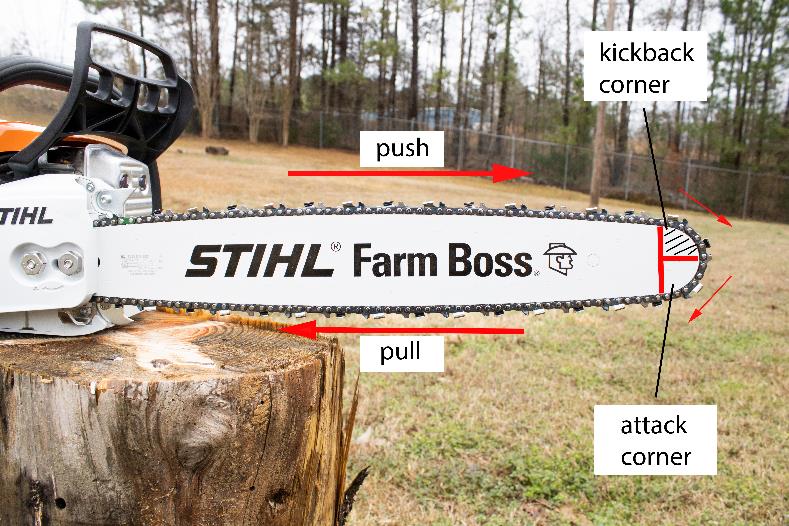
Chains spin fast. Many reach over 60 feet per second. When the top quadrant of the bar tip bites, the chain stops for a split second. Energy has to go somewhere. The bar becomes a lever. It swings toward you.
Friction, chain speed, and bar radius shape the force. A larger tip radius means more leverage. A dull chain grabs. A low idle or bogged engine adds snags. All raise kickback odds.
Think of it like a bike pedal jam at speed. The bike lurches. Your body pitches forward. With a chainsaw, the lurch is the bar snapping back.

Core causes: what causes a chainsaw to kick back
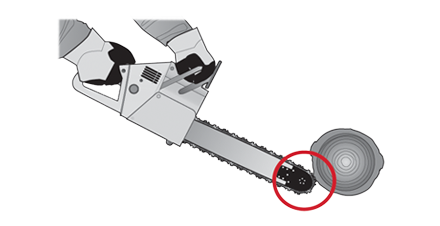
If you ask what causes a chainsaw to kick back, the main cause is simple. The top quadrant of the bar tip touches wood, metal, dirt, or a knot. The chain grabs. The bar reacts up and back.
Here are the core triggers I see in the field:
- Bar tip contact with wood you did not plan to cut. Limbs or logs can shift into the tip.
- A pinched kerf that traps the chain. The bar pivots back toward you.
- A dull chain with high rakers. Cutters skate, then bite hard.
- Chain tension too loose. The chain rides up the bar and snags.
- Hidden nails, wire, or rock. The chain stops. The bar whips.
- Low throttle at contact. A slow chain grabs instead of slicing.
- Using the wrong chain for the job. High kickback chains on short bars can be jumpy.
- A large nose bar without reduced-kickback features. More tip radius, more force.
- Poor grip or stance. A floating right hand or no thumb wrap invites loss of control.
- Plunge cuts done wrong. The tip enters at the reactive quadrant.
- Cutting with the bar tip near the ground. Dirt dulls teeth fast and causes grabs.
Each point above is one clear part of what causes a chainsaw to kick back. Master these and your risk drops fast.
Situational triggers and real-world examples
Storm cleanup piles hide a lot. I once nicked a buried fence staple with the tip. The bar jumped. The chain brake saved me, but it was close. That near miss changed my pre-cut checks.
Here are spots where what causes a chainsaw to kick back shows up the most:
- Limbing on the far side of a log. The unseen tip touches the trunk.
- Cutting spring poles under tension. They snap into the tip as fibers fail.
- Bore cuts in tight spaces. A small angle error hits the kickback zone.
- Bucking near dirt. A tiny roll of the log pulls the tip into the ground.
- Overhead cuts with a top-handle saw. Tip control and sight lines are poor.
Plan each cut. Mark your escape. Keep the tip clear. These small steps defeat what causes a chainsaw to kick back in real work.

Equipment factors that increase risk
Some tools fight kickback better than others. Others make it worse.
Key gear points:
- Chain type. Reduced-kickback chain has bumper drive links. It limits grab at the tip.
- Bar choice. A small radius nose wants to kick less than a large nose bar.
- Chain brake. Inertia-activated brakes can stop the chain in a kickback. Test it often.
- Powerhead. Strong torque at low rpm can still grab. Keep chain speed high when cutting.
- Top-handle vs rear-handle. Rear-handle saws give better leverage and control on the ground.
- Safety features. Throttle lockouts, chain catchers, and right-hand guards all help.
Industry standards rate saws and chains for kickback energy. Train with that in mind. Pick gear that fits your task and skill.
Operator errors and body mechanics
Most kickback videos show one big theme. Hands and stance fail first. Then the saw wins.
Use these habits every cut:
- Lock your left thumb under the front handle. This grip checks the bar rise.
- Keep elbows out and knees bent. Your core absorbs shocks.
- Stand slightly left of the bar plane. Do not line your face with the bar.
- Cut at full throttle. Let the chain do the work.
- Watch the tip. Treat it like a live wire.
These basics tackle what causes a chainsaw to kick back at the human level. They are simple and they work.
How to prevent kickback every time you cut
Here is a short, proven plan I teach to new sawyers. It is fast and easy.
Before you start:
- Inspect the chain, bar, and brake. Fix any issue now.
- Check tension. A warm chain should snap back to the bar groove.
- Test the brake. Tip the saw forward. It should trip by inertia.
During the cut:
- Keep the tip clear. Always see the nose.
- Run at full throttle before contact. Do not ease the chain in slow.
- Avoid the upper tip quadrant. Use the lower bar when you can.
- Wedge long cuts. Stop kerf pinch and stop bar pivot.
- Stand strong, thumb locked. Hold firm and breathe steady.
After the cut:
- Let the chain stop before moving. Keep both hands on the saw.
- Recheck tension and sharpness if the cut felt rough.
If you ever wonder what causes a chainsaw to kick back in your yard or shop, start with this routine. It cuts the odds to near zero.

Maintenance and tuning for lower kickback
Fresh, tuned gear reduces snags. It also makes each cut smooth.
Maintenance list:
- Sharpen often. Keep cutters even and angles true. A file guide helps.
- Set depth gauges right. Too low rakers grab hard. Check with a gauge.
- Match chain, bar, and sprocket pitch. Mismatch causes ride-up and grabs.
- Dress bar rails and clean the groove. A clean track keeps the chain stable.
- Lube well. A dry chain heats, stretches, and snags.
- Check the nose sprocket. A seized tip multiplies kickback force.
- Replace worn drive sprockets at 2 chains per sprocket.
- Verify brake function and return springs. Replace tired parts.
Safety bodies and pro manuals back these steps. They also align with what causes a chainsaw to kick back in poor maintenance cases.

Troubleshooting: if your saw keeps kicking back
When kickback keeps showing up, slow down. Find the root cause.
Quick path to a fix:
- Look at the cut face. Rippled cuts mean dull teeth or uneven rakers.
- Mark the kickback spot on the log. Was the tip near a knot or nail?
- Check chain direction and depth gauges. Wrong direction does happen.
- Swap to a reduced-kickback chain and a small nose bar. Test again.
- Raise your work off the ground. Control the log so it cannot roll.
- Film a short cut on your phone. Review your grip and tip control.
If none of this helps, ask a dealer to check alignment and brake action. Persistent issues often trace to worn parts or a bent bar. That is part of what causes a chainsaw to kick back in repeat cases.
Frequently Asked Questions of what causes a chainsaw to kick back
Where is the kickback zone on a chainsaw?
The kickback zone is the upper quadrant of the bar nose. If that area contacts wood or metal, the bar can whip up and back.
Can a chain brake stop every kickback?
No. A brake reduces severity but cannot prevent all motion. Good grip, tip control, and full throttle at contact matter more.
Does chain speed reduce kickback?
Yes, within reason. A sharp chain at full speed slices clean and is less likely to grab, but poor technique can still cause kickback.
What causes a chainsaw to kick back during a plunge cut?
A wrong entry angle puts the tip in the reactive quadrant. Start the bore with the lower tip, then roll in under control.
What causes a chainsaw to kick back when limbing?
Hidden branches or the trunk can touch the tip. Keep the log between you and the bar and always see the nose.
Do reduced-kickback chains cut slower?
A little. The bumpers limit grab at the tip. For most users, the safety gain is worth the small speed loss.
Gas vs electric: which kicks back more?
Both can kick back. Electric saws make instant torque, so a dull chain can grab fast. Technique and setup decide the risk.
How often should I check depth gauges?
Check every 2–3 sharpenings. If they are too low, the chain bites too deep and kickback risk rises.
Conclusion
Kickback is fast, but it is not random. What causes a chainsaw to kick back is clear: tip contact, pinched kerfs, dull chains, and poor setup. The fix is clear too. Control the tip, keep the chain sharp, set your stance, and test your brake.
Make these habits your default on every cut. Your saw will run smoother, your cuts will look better, and your risk will drop. Want more field-tested tips? Subscribe, share your questions, or leave a comment with a tricky cut you want help with.


