What Are The Parts Of A Chainsaw: Complete Guide 2026
A chainsaw’s main parts are the engine or motor, guide bar, chain, sprocket, handles, brake, and oiler.
If you want to work faster and safer, you must know every piece on your saw. In this expert guide, I break down what are the parts of a chainsaw in clear, simple language. You will learn what each part does, how it works with others, and how to keep it in top shape. I have maintained both pro and homeowner saws for years, and I share what actually matters in the field.
:max_bytes(150000):strip_icc()/saw_parts-56af55385f9b58b7d0178680-5c7971ea46e0fb0001d83d15.jpg)
Core power unit: engine or motor
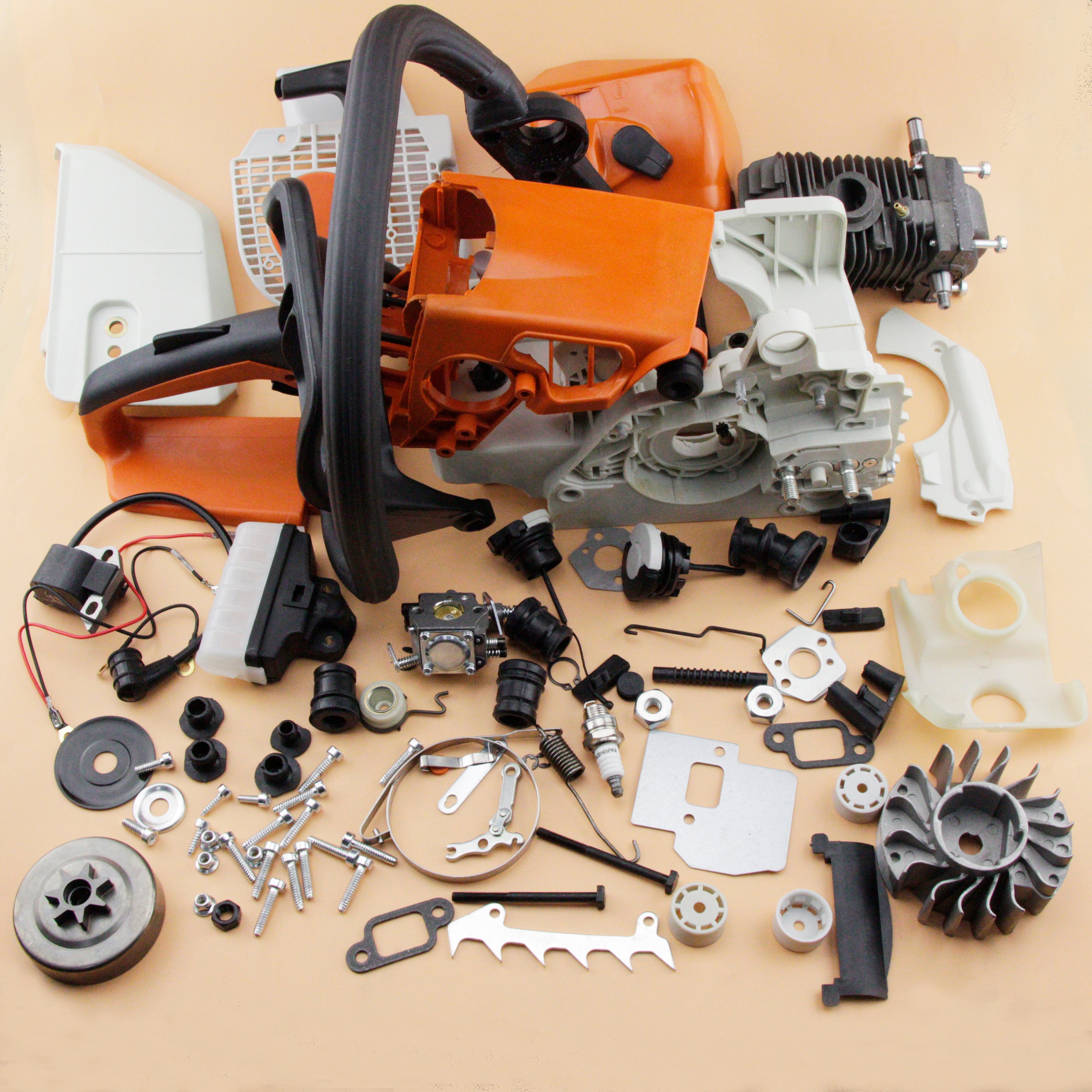
On gas models, a two-stroke engine drives the chain. Key parts include the cylinder, piston, crankcase, crankshaft, flywheel, ignition module, and spark plug. The pull starter spins the flywheel, which creates spark to fire the engine. Many mid to big saws add a decompression valve to ease starting.
On electric or battery saws, a brushless motor replaces the gas engine. The motor and electronic controller deliver smooth torque with less noise. There is no carburetor, spark plug, or muffler. Parts vary by brand, but the core layout is similar.
My tip: if a gas saw floods, set the choke off, hold full throttle, and pull until it clears. With battery saws, keep the contacts clean and dry. This avoids heat and power loss.
Guide bar and chain system
The guide bar is the steel rail that holds and steers the chain. It has two rails, a groove for the drive links, and often a sprocket nose to cut friction. Bars come in different lengths, gauges, and mount patterns.
The chain does the cutting. It has cutters, depth gauges (rakers), tie straps, and drive links. The top right quadrant of the bar tip is the kickback zone. Respect it. Sharp cutters and correct raker height reduce risk and cut smoother.
Practical example: I once chased poor cutting for an hour. The chain was sharp, but the bar rails were flared. A quick bar dressing fixed the cut. Always check both chain and bar as a pair.
Cutting drive: sprocket, clutch, and chain tensioning
The clutch and sprocket move power to the chain. When you rev, the clutch shoes engage the drum. The rim or spur sprocket then turns the chain. A worn sprocket makes the chain skip and speeds up chain wear.
Chain tensioning matters. You adjust using a side or front tensioner. Bar studs and bar nuts hold everything in line. Set tension so the chain snaps back into the bar groove but still slides by hand in gloves.
Quick routine before each cut:
- Check sprocket wear marks and replace if hooked.
- Verify chain tension after the first few cuts as it warms and stretches.
- Make sure bar nuts are snug but not over-tight.

Controls and safety features
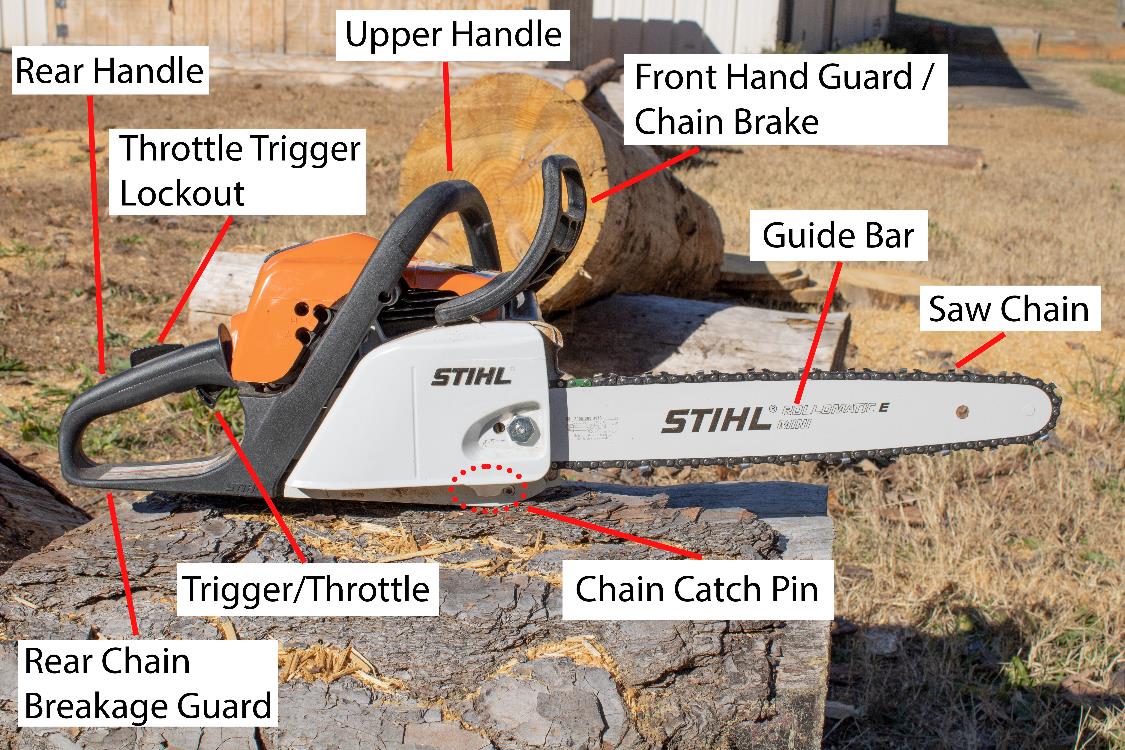
The front handle and rear handle give control. The throttle trigger and throttle lockout prevent creep. The on/off switch or stop switch lets you kill power fast. Gas saws add a choke and often a primer bulb.
The chain brake is the star safety part. It can trip by hand or by inertia in a kickback. The front hand guard links to the brake. A chain catcher below the bar helps if the chain derails. Bumper spikes, also called dogs, dig into wood to pivot the saw. A scabbard covers the bar for transport.
Personal note: I test the brake every time. Start the saw, blip the throttle, and snap the brake on. The chain must stop at once. This small habit has saved me from close calls.

Lubrication and fuel systems
Bar and chain oil reduces heat and wear. The oiler draws from the oil tank and feeds oil to the bar groove. Some saws have an adjustable oiler. If the bar looks dry, increase flow or clear the oil port.
Gas saws have a fuel tank, fuel filter, fuel lines, carburetor, and often a primer bulb. Most use a 50:1 fuel to oil mix. Wrong mix causes heat and damage. Electric and battery saws skip the fuel parts but still need bar oil.
Signs your oiler is working:
- A light oil line forms on the wood at full throttle.
- The chain looks glossy, not dry.
- The bar oil level drops with use.

Filtration, cooling, and anti-vibration
Clean air keeps engines alive. The air filter blocks dust before it reaches the carburetor or intake. Some saws add pre-separation to spin out debris. The cooling system uses flywheel fins to move air over the cylinder and muffler.
Anti-vibration mounts isolate the handles from the engine unit. This cuts fatigue and lets you work steadier. A spark arrestor screen in the muffler helps stop sparks in dry areas.
Pro habit: tap the air filter clean often. Wash and dry it as the manual allows. A dirty filter chokes power and increases fuel use.
Body, handles, and ergonomics
The housing holds and protects the heart of the saw. The clutch cover shields the drive and gives access to the chain and bar. The rear handle houses the trigger and lockout. The front handle guides the cut.
Good ergonomics matter. Match bar length to your task. Keep a balanced stance. Wear proper gloves and boots. Small comfort tweaks make long days safer and smoother.
When friends ask what are the parts of a chainsaw that affect comfort, I point to the handle shape, AV mounts, and overall balance. These small parts decide how fast you tire.
Maintenance points and wear parts
A sharp chain is step one. File at the right angle with a good guide. Check depth gauges with a flat tool. Dress bar rails to remove burrs. Flip the bar every few chain swaps to even wear.
Common wear parts:
- Chain, bar, and drive sprocket
- Air filter and fuel filter
- Spark plug and recoil rope on gas saws
- Clutch drum, brake band, and chain catcher
Mistakes to avoid:
- Over-tightening the chain. This burns the bar and clutch.
- Running used motor oil. Use proper bar oil.
- Ignoring raker height. Too high and the saw dusts. Too low and it chatters.
Gas vs electric vs battery: how parts differ
Gas saws use an engine, carburetor, fuel tank, muffler, and spark system. They are powerful and great for long days. They also need more care and fuel mixing.
Corded electric saws have a motor, switch, cord strain relief, and often a tool-less chain tensioner. They are light and quiet. They need a safe, heavy-gauge extension cord.
Battery saws add a battery pack, battery management system, and controller. They start fast and work well in yards. Keep spare batteries warm in winter for best run time.
If you ask what are the parts of a chainsaw that most change by power type, it is the power unit and controls. The bar, chain, brake, and oiler stay very similar.
How the parts work together
Think of the saw as a simple chain of events.
- Power unit makes torque.
- Clutch and sprocket send it to the chain.
- Chain rides the bar and does the cut.
- Oiler reduces heat. Cooling air cuts temps.
- Safety systems stand ready if something goes wrong.
This is why what are the parts of a chainsaw is more than a parts list. Each piece supports the others. If one part fails, the whole cut suffers or becomes unsafe. I check from tip to tail before work. It takes two minutes and saves hours.
Frequently Asked Questions of what are the parts of a chainsaw
What are the parts of a chainsaw that need the most maintenance?
Focus on the chain, bar, and sprocket. Keep the chain sharp, dress the bar, and replace the sprocket when worn to avoid rapid chain wear.
Which chainsaw parts should I inspect before every cut?
Check chain tension, chain brake function, bar oil level, and the chain’s sharpness. Make sure bar nuts are tight and the chain catcher is in place.
What are the parts of a chainsaw that affect kickback the most?
The bar tip, chain cutter design, and depth gauges drive kickback risk. The chain brake reduces injury if kickback happens.
How often should I replace the drive sprocket and bar?
Replace the sprocket about every two chains, or sooner if hooked. Replace the bar when the groove widens, rails flare, or the nose sprocket binds.
Are all chains compatible with all bars and sprockets?
No. Match pitch, gauge, and drive link count to your bar and sprocket. Mismatched parts cause poor cutting and fast wear.
What are the parts of a chainsaw that differ on battery models?
Battery models swap the engine, carburetor, and muffler for a motor, controller, and battery pack. Most other parts like bar, chain, brake, and oiler remain similar.
Can I run without a chain brake if it is damaged?
Do not. The chain brake is a primary safety system. Repair or replace the brake parts before any use.
Conclusion
You now know what are the parts of a chainsaw and how they fit together. The engine or motor makes power, the clutch and sprocket drive the chain, the bar guides it, the oiler cools it, and the safety systems protect you. Small checks on these parts lead to big gains in speed, cut quality, and safety.
Put this guide to work today. Inspect your saw from bar tip to starter handle. Sharpen the chain, set tension, test the brake, and verify oil flow. Want more expert tips on what are the parts of a chainsaw, care schedules, and safe cutting drills? Subscribe for new how-tos, or drop a question in the comments.