
No Dig Gardening Tools: Top Picks And Buying Guide
No dig gardening tools are simple, sturdy, and made for gentle soil care.
I have built and managed no-dig beds in backyards and market plots. The right no dig gardening tools cut the work, protect soil life, and boost yields. This guide shows what to buy, what to skip, and how to use each tool with care. You will get pro tips, mistakes to avoid, and a complete checklist you can trust.

What Is No-Dig Gardening and Why Tools Matter
No-dig is a method where you avoid turning soil. You feed the top with compost and mulch. Worms and microbes do the heavy lifting. The result is less work, fewer weeds, and better soil structure.
No dig gardening tools help you move mulch, plant fast, and weed shallow. They protect soil layers and fungal networks. They also save your back. Good tools turn a hard day into a calm, steady hour.
The big idea is simple. Disturb less. Add organic matter. Water well. Harvest more. With the right setup, beds stay loose and fertile for years.

Core No-Dig Gardening Tools for Every Bed
Every kit needs a few durable basics. I use these weekly in all seasons. Choose sturdy parts and simple designs that you can fix.
- Hori-hori or soil knife for planting, cutting roots, and slicing mulch. Stainless steel resists rust. A sheath keeps it safe.
- Bypass pruners for clean cuts on stems and herbs. Look for a replaceable spring and a secure lock.
- Dibber or planting trowel for fast, tidy holes. A depth gauge helps set seedlings right.
Weeding and prep tools
- Stirrup hoe or collinear hoe for shallow weeding. They skim the top inch and avoid soil flip.
- Leaf rake and landscape rake for smoothing compost and gathering debris. A flat back helps level beds.
Mulch and compost movers
- Mulch fork or pitchfork to move chips, leaves, and straw. Wide tines grip bulky material.
- Wheelbarrow or garden cart for heavy loads. Air-filled tires roll better on soft paths.
Watering and cover tools
- Watering can with a rose for gentle seedlings. Soaker hoses reduce splash and save water.
- Silage tarp or weed-suppressing cover to smother growth before planting. UV-stable plastic lasts longer.
- Row cover hoops and clips to protect young plants from pests and light frost.
Monitoring tools
- Compost thermometer to track heat in new piles or hot beds. It helps time turning and use.
- Measuring tape or planting board to keep spacing even and rows straight.
These no dig gardening tools do 90% of the work. They are easy to learn and quick to use. Start with a soil knife, a hoe, a rake, and a cart. Add more as your garden grows.

Optional and Task-Specific Tools
Some jobs need special gear. I add these when space, crops, or seasons call for them.
Aeration without tilling
- Broadfork or U-bar loosener for compact zones or new beds. It lifts and cracks, but does not mix layers.
- Manual plug aerator for paths. It keeps water moving and roots breathing.
Seed and bed tools
- Jang-style push seeder or hand seeder for tight rows and tiny seed. It saves time and seed.
- Flame weeder for stale seedbeds. Pass quick over moist soil before sowing carrots or salad.
Protection and harvest aids
- Shade cloth for heat waves. It keeps lettuce from bolting.
- Harvest knife with a scalloped edge for clean cuts on greens. A food-safe blade wipes clean fast.
You do not need every item on day one. Add what solves a real problem. Each of these no dig gardening tools should protect soil and save time.

How to Choose Quality No-Dig Tools
Good tools are an investment. They should last years with care. Use this checklist when you shop.
Materials and build
- Forged or hardened steel for blades. It holds an edge longer.
- Stainless steel for wet work to prevent rust.
- Ash or hickory handles for strength and flex. Fiberglass is light but can be slippery when wet.
Ergonomics and fit
- Choose handle lengths that match your height. Your back should stay straight.
- Test grip size with gloves on. A secure hold reduces strain.
Durability and support
- Look for rivets or bolts you can tighten. Avoid flimsy welds.
- Check warranty terms and spare parts. A replaceable spring or blade extends life.
Value tips
- One great hoe beats three cheap ones. Buy slow, buy once.
- Try tools in-store when you can. Light swing, quick stop, no wobble.
These points help you select no dig gardening tools that feel right in hand. Comfort leads to better form and fewer injuries.

Set Up and Maintain No-Dig Beds with the Right Tools
You can build a new bed in a day. Here is a simple plan I use in client gardens.
Step-by-step setup
- Mow or scalp the area low. Leave clippings in place.
- Lay cardboard in one layer. Overlap seams by a few inches. Wet it well.
- Add 3–4 inches of finished compost. Rake smooth with the landscape rake.
- Plant seedlings with a dibber or soil knife. Set to correct depth.
- Mulch paths with wood chips. Mulch beds with straw or leaves if needed.
- Water with a rose head or soaker hose. Keep moisture steady for two weeks.
Ongoing care
- Weed lightly with a stirrup hoe every 7–10 days. Stay shallow.
- Top up compost once or twice a year. Half an inch goes far.
- Use a silage tarp to reset a weedy bed. Two to four weeks saves hours later.
These steps honor the method and make no dig gardening tools shine. Small, steady tasks replace big, hard days.

Tool Care, Sharpening, and Safety
A sharp, clean tool is safer and faster. Make care a habit.
After each use
- Knock off soil. Wipe with a dry rag. Spray a light oil on steel.
- Store tools off the ground. Hang by the head or handle.
Weekly and seasonal
- Sharpen hoes and knives at a 20–30 degree edge. Use a file or stone.
- Sand rough handles. Rub in linseed oil. It seals and protects wood.
- Check bolts, nuts, and springs. Tighten as needed.
Safety basics
- Wear gloves and closed shoes. Eye protection for flame or string work.
- Cut away from your body. Keep a sheath on knives.
Simple habits protect your investment in no dig gardening tools. They also protect your hands, back, and time.

Mistakes to Avoid and Pro Tips from the Field
I learned some of these the hard way. You do not have to.
Common pitfalls
- Deep hoeing that flips soil. It wakes weed seeds. Skim instead.
- Over-composting young beds. Aim for a thin, even layer after the first build.
- Using straw with lots of seeds. Test a small batch before you spread.
- Skipping tarps on tough sod. A tarp saves your shoulders.
Pro tips
- Keep a small brush on your belt. Clean tools before you move to the next bed.
- Mark hoe handles at 1 inch. It reminds you to stay shallow.
- Keep a milk crate as a mobile tool caddy. It saves trips.
- Label hoses and fittings. Avoid mid-season leaks.
These insights help you get more from your no dig gardening tools and your time in the garden.

Budget and DIY Alternatives
Great results do not demand fancy gear. Use smart swaps when you start.
Low-cost options
- Builder’s tarps instead of silage tarps. Weigh edges with sandbags.
- Free cardboard from bike shops or appliance stores. Remove tape.
- A five-gallon bucket as a seat and tool tote.
- A sharpened butter knife as a dibber in a pinch.
- Buy used broadforks, rakes, and pruners from farm groups. Check for cracks and play.
- Choose one premium blade you use often. Go budget on items you use rarely.
These picks stretch your budget and keep no dig gardening tools within reach.
Sustainability and Soil Health Benefits
No-dig supports a living soil web. Tools and methods work together to keep that web intact.
Key gains
- Better structure. Fungal threads hold crumbs together. Water moves well.
- More carbon stays in soil. Less tilling means less release.
- Fewer weeds over time. You avoid pulling up buried seeds.
- Less water use. Mulch lowers evaporation and keeps roots cool.
When you pair good practice with smart no dig gardening tools, the system compounds benefits. You get healthier plants and a calmer workload.
Buying Guide and Toolkit Checklist
Use this quick list when you build or upgrade your kit. It covers what most gardens need.
Core kit
- Hori-hori or soil knife
- Bypass pruners
- Stirrup or collinear hoe
- Leaf rake and landscape rake
- Mulch fork or pitchfork
- Wheelbarrow or garden cart
- Watering can and soaker hose
- Silage tarp or heavy-duty cover
- Row cover hoops and clips
- Compost thermometer
- Measuring tape or planting board
Feature checks
- Stainless or forged steel
- Comfortable, replaceable handles
- Solid hardware and simple repairs
- Fit to your height and grip
- Clear warranty and parts
This list keeps you focused and prevents impulse buys. It anchors a reliable set of no dig gardening tools for years of use.
Frequently Asked Questions of no dig gardening tools
What are the must-have no dig gardening tools for beginners?
Start with a soil knife, a stirrup hoe, a rake, and a wheelbarrow. Add pruners and a silage tarp as your garden grows.
Do I still need a shovel in a no-dig garden?
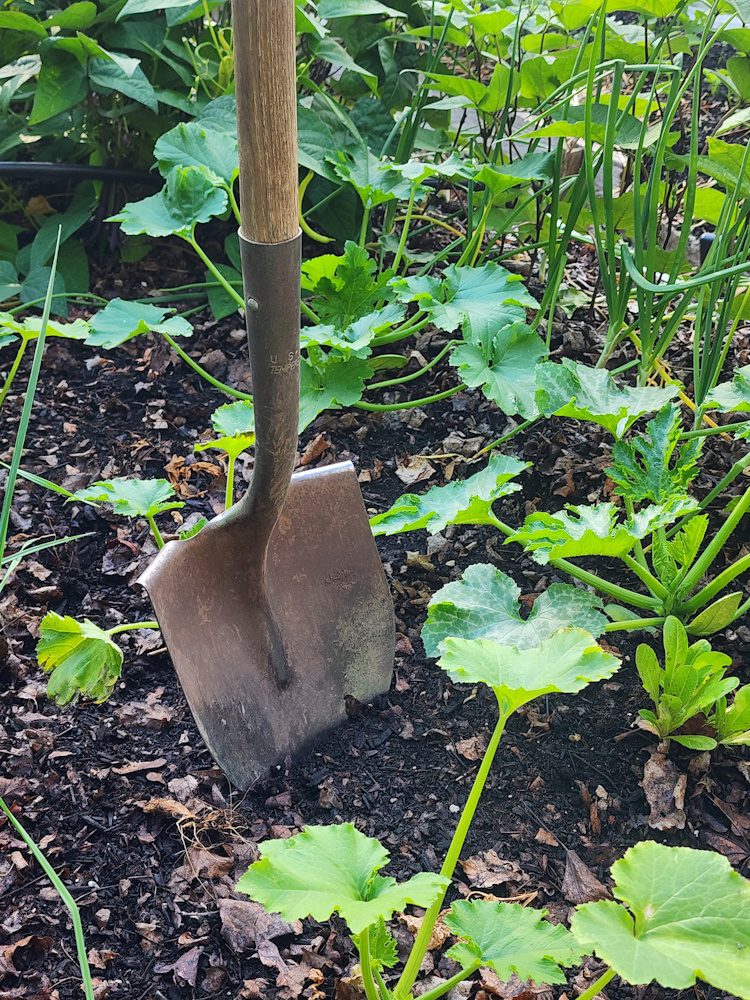
You will use a shovel less often, but it helps move soil or compost in bulk. Most tasks shift to forks, rakes, and knives.
How often should I use a broadfork in no-dig beds?
Use it once to loosen compacted soil or when building new beds. After that, rely on compost and roots unless compaction returns.
Which hoe is best for shallow weeding without disturbing soil?
A stirrup or collinear hoe shines for this job. They cut just below the surface and leave soil layers intact.
Are flame weeders safe for home gardens?
Used with care, yes. Work on calm days, keep water nearby, and avoid dry mulch or wooden edges.
How do I prevent rust on steel tools?
Clean after use and apply a light oil. Store tools dry and off the ground.
Can I build beds without a silage tarp?
Yes, but it takes longer to suppress weeds. Cardboard plus thick mulch is a good alternative.
Conclusion
A small, smart kit can transform your garden and your weekends. Choose sturdy no dig gardening tools, keep them sharp, and work with the soil, not against it. Start with a soil knife, a shallow hoe, and a good rake. Add mulch, water well, and let biology do the rest.
Ready to build your first bed or upgrade your kit? Save this guide, share it with a friend, and subscribe for tool reviews, seasonal checklists, and simple how-tos. Your calm, high-yield garden starts today.


