
Grow herbs at home with bright light, airy soil, and steady watering.
If you want fresh flavor, low cost, and green joy, you can learn how to grow herbs at home with simple steps. I have helped many new growers set up small windowsill gardens and balcony pots. In this guide, I will show you proven methods, practical tools, and easy care tips. You will see how to grow herbs at home from seed or cuttings, avoid common mistakes, and harvest like a pro.
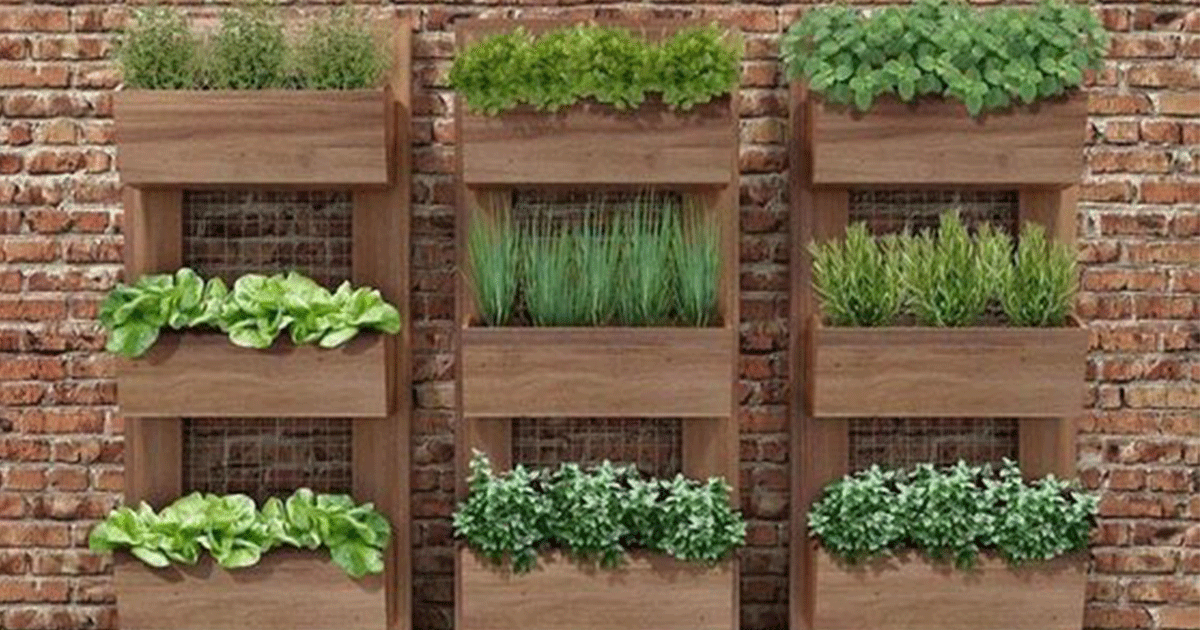
Why grow herbs at home
Fresh herbs lift simple meals. They add scent and color to your space. When you learn how to grow herbs at home, you save money and waste less. You also gain a calm hobby that fits in small places.
You can start with one pot on a sunny sill. Or set up a small rack with lights. The basics are the same. Keep the roots happy and the leaves will thrive.
A simple rule guides how to grow herbs at home. Give light, drain the soil, water well, and trim often. Do this, and most common herbs will reward you fast.

Plan your space: light, airflow, and temperature
Light is the main factor. Most herbs need 6 to 8 hours of sun. A south or west window works best. If your home is dim, use a small LED grow light.
Good airflow keeps leaves dry. Place pots with a bit of space between them. Avoid a tight cluster. Normal room temps are fine for many herbs, from 60°F to 75°F.
Watch for heat spikes on window ledges. Glass can get hot at noon. Move pots a few inches back if leaves wilt. This small step helps a lot when you learn how to grow herbs at home.

Choose beginner-friendly herbs
Start simple and build skill. The best herbs for new growers are forgiving. They recover fast from small errors. Here are reliable picks if you want to know how to grow herbs at home.
- Basil grows fast but needs warm light and steady water.
- Mint is tough and spreads. Keep it in its own pot.
- Parsley likes even moisture and partial sun.
- Chives handle cool rooms and low light better than basil.
- Thyme and oregano love sun and dry soil between waterings.
- Cilantro prefers cool temps and bolts in heat. Sow often.
As you gain skill, add rosemary, sage, dill, and lemongrass. Match each herb to its light and water needs. This is the key to how to grow herbs at home with less stress.
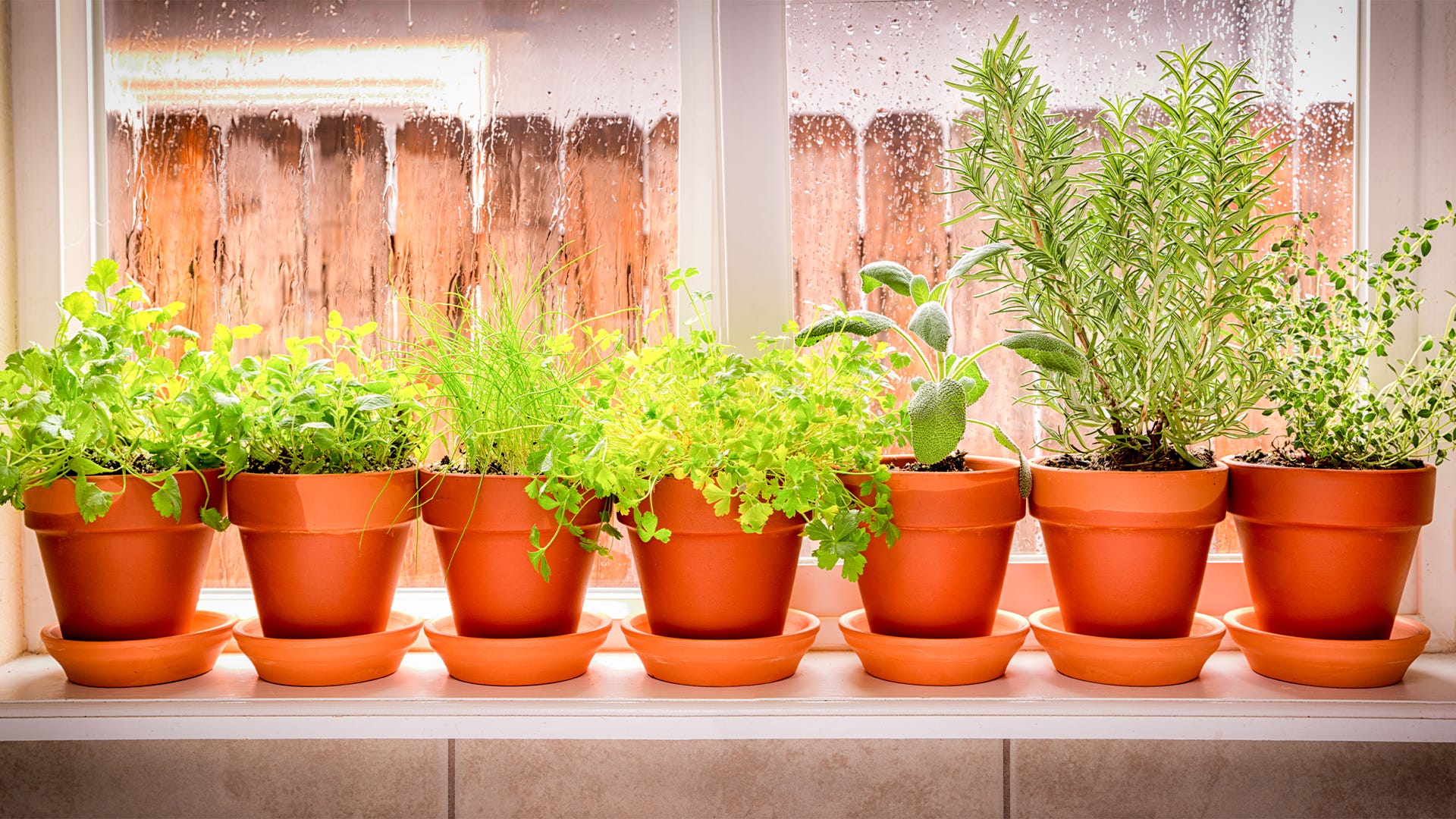
Soil, containers, and drainage that work
Use a high-quality potting mix for containers. It should be light and drain fast. Avoid heavy garden soil in pots. Roots need air.
Choose pots with drainage holes. Clay pots breathe and help prevent wet roots. Plastic holds water longer, which helps in dry rooms. Add a saucer to catch extra water but empty it after 10 minutes.
Mix in perlite or coarse sand for herbs that like drier roots, like thyme and rosemary. Good drainage will make how to grow herbs at home far easier.
Propagation: seeds, cuttings, and divisions
You can start herbs in three easy ways. Choose what fits your time and budget. This is a core part of how to grow herbs at home.
Seeds
Seeds are cheap and fun for kids and adults. Sow thinly on moist mix. Press in and mist. Keep warm and bright. Many herbs sprout in 5 to 14 days.
Cuttings
Soft-stem herbs like basil and mint root fast in water. Trim a 4-inch tip below a node. Remove lower leaves. Place in a jar of clean water. Pot up when roots are an inch long.
Divisions
Chives, mint, and oregano split well. Lift the plant. Gently pull apart clumps. Replant each piece in fresh mix. Water and shade for a few days.

Step-by-step planting guide
Follow these steps to set up your first pot. This works for most small herbs. Use it as a template for how to grow herbs at home.
- Pick a pot with holes and a saucer. Clean it well.
- Fill with potting mix. Leave one inch at the top.
- Moisten the mix until it is damp, not soggy.
- Plant seeds shallow or place the seedling at the same depth it grew before.
- Firm the soil gently around roots.
- Water until a little drains out.
- Place in bright light. Rotate the pot weekly.

Watering, feeding, and pruning
Water when the top inch of mix feels dry. Use your finger to test. Lift the pot to feel the weight. Light pot means it is time to water.
Feed lightly. A balanced liquid fertilizer at half strength every 2 to 4 weeks is enough. Too much feed makes soft growth with weak flavor.
Pinch often. Trim tips above a leaf pair to keep plants bushy. Do not strip more than one third at a time. Pruning helps you master how to grow herbs at home with steady harvests.

Pest and disease prevention
Most problems start with stress. Keep plants clean and well lit. Check leaves each week. Early action is best.
- Aphids, spider mites, and whiteflies are common. Rinse them off with water. Use a gentle insecticidal soap if needed.
- Fungal spots come from wet leaves. Water the soil, not the foliage. Improve airflow.
- Root rot comes from soggy soil. Fix drainage. Let the mix dry a bit between waterings.
A simple weekly check is the best insurance for how to grow herbs at home without drama.

Harvest, storage, and nonstop supply
Harvest in the morning when oils peak. Use clean shears. Take small, frequent cuts. This keeps new growth coming.
For basil, take stems above a pair of leaves. For mint, cut to just above a node. For chives, snip leaves near the base.
Use fresh, freeze in ice cubes with oil or water, or dry in a warm, airy spot. Good harvest habits make how to grow herbs at home more rewarding and waste-free.
Seasonal strategies and grow lights
Hot summers can stress cool-loving herbs like cilantro. Sow small batches every few weeks. Move pots to morning sun and afternoon shade.
In winter, day length drops. Use an LED grow light for 12 to 14 hours a day. Keep lights 6 to 12 inches above the leaves. This simple tool unlocks how to grow herbs at home year-round.
Watch indoor heat near vents. Dry air speeds water loss. A tray of pebbles with water below the pot raises local humidity.
Troubleshooting common issues
It helps to know patterns. Here are fixes I use in my own kitchen garden. These tips keep how to grow herbs at home on track.
- Leggy stems mean low light. Move to a brighter spot or add a light.
- Yellow leaves often mean overwatering. Let the soil dry a bit more.
- Brown tips can mean salts from fertilizer. Flush the pot with clean water.
- No scent often means too much nitrogen. Ease off the feed and add more light.
Keep notes. Small changes add up fast.
Budget, tools, and time-saving tips
You do not need fancy gear to learn how to grow herbs at home. Start lean and upgrade as you go.
- Use one good pair of pruning shears and a spray bottle.
- Buy one bag of quality potting mix and a small bottle of liquid feed.
- Save herb stems for cuttings. Share divisions with friends.
- Set a weekly 10-minute care routine. Check moisture. Trim. Rotate pots.
Over time, add a timer for lights. Add a fan on low if air is still. Simple tools make care easy.
Advanced methods: hydroponics and small systems
Hydroponic countertop units work well in low-light homes. They use water and nutrients instead of soil. Growth can be fast and clean.
Kratky jars are a low-cost option. Use a glass jar, a net cup, and a nutrient mix. Place near a window or under a light. This method is an easy upgrade for how to grow herbs at home when space is tight.
You can also try succession planting. Start a new basil or cilantro every two weeks. You will always have fresh leaves on hand.
Frequently Asked Questions of how to grow herbs at home
How much light do herbs need indoors?
Most herbs need 6 to 8 hours of bright light. If windows are dim, use an LED grow light for 12 to 14 hours.
How often should I water potted herbs?
Water when the top inch of soil is dry. In warm rooms, this may be every 2 to 3 days; in cool rooms, once a week.
Which herbs are best for beginners?
Start with mint, chives, parsley, oregano, and thyme. Add basil once you can keep a steady water and light routine.
Can I grow herbs from grocery store cuttings?
Yes, soft stems like basil and mint root well in water. Once roots form, pot them in light mix and keep in bright light.
Why is my basil leggy and weak?
It likely needs more light. Move it closer to a window or under a grow light and pinch the tips to make it bushy.
Do I need fertilizer for herbs?
Use a half-strength liquid fertilizer every 2 to 4 weeks. Too much feed can weaken flavor and invite pests.
Conclusion
You now have the core steps for how to grow herbs at home, from light and soil to pruning and harvest. Start small, learn your space, and build a simple routine. Fresh flavor and green growth will follow.
Pick one herb today. Set up a pot in bright light. Commit to a quick weekly check. Want more tips and seasonal plans? Subscribe, share your wins, or drop a question so we can grow together.


