Pick by soil type, task, soil moisture, tool weight, and your grip.
Choosing tools should feel simple, not guesswork. In this guide, I show how to choose the right digging tool for garden soil with clear steps, real examples, and pro tips. You will learn what matters, what to avoid, and how to work smarter—without wasting time or money.
Know your soil and task
If you want to master how to choose the right digging tool for garden soil, start with the ground under your feet. Soil type, roots, rocks, and the job at hand drive your best pick. A shovel that shines in sandy beds will fail in tight clay.
Use this quick match-up:
- Sandy soil Works best with a round-point shovel and a trenching spade. Sand moves fast, so pick a tool with a deeper scoop.
- Loam soil Accepts most tools. A garden spade and digging fork handle bed prep and edging well.
- Clay soil Needs leverage and bite. Use a digging fork, mattock, or a sharp spade. Wet clay is heavy; dry clay is hard.
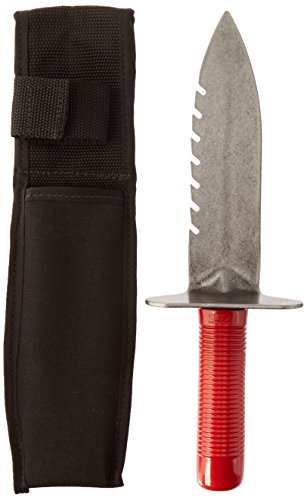
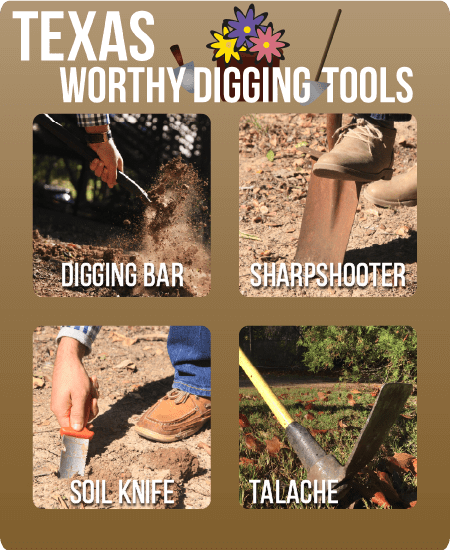
- Rocky soil Favors a pick mattock or a digging bar to break pockets and roots first.
Personal note: My coastal clay plot turns brick-hard by midsummer. A fork loosens the top, then a sharp spade lifts clean slabs. That combo cut my trench time in half and saved my back.
Core digging tools and when to use them
Understanding each tool is key to how to choose the right digging tool for garden soil. Each tool solves a different problem. Pick for the task, not just habit.
Garden spade
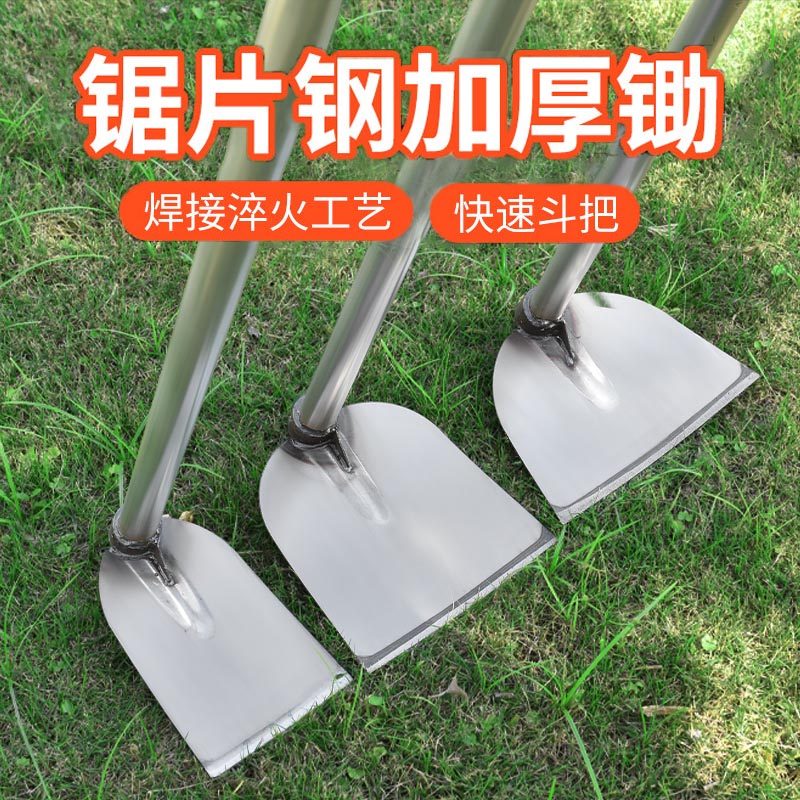
- Best for straight edges, cutting sod, and clean slices.
- Flat blade gives control for edging beds and lifting turf.
- Great in loam and light clay when sharpened.
Round-point shovel
- Best for moving loose soil, sand, compost, or mulch.
- Curved scoop carries more material with less spill.
- Good all-rounder but not ideal for hard clay cuts.
Digging fork
- Best for loosening compacted soil, lifting roots, and turning beds.
- Tines slide between clumps and reduce strain in clay.
- My go-to for fall bed prep and root-heavy areas.
Mattock or pick mattock
- Best for breaking hardpan, chopping roots, and prying rocks.
- Heavier head gives deep bite where shovels bounce off.
- Crucial in dense clay and uncultivated ground.
Trenching spade
- Best for narrow trenches, drain lines, and neat root cuts.
- Long, narrow blade keeps trench walls clean.
- Saves effort when space is tight.
Trowel and hand fork
- Best for planting, spot weeding, and small root work.
- Choose a full-tang trowel to avoid bending.
- Keep one sharp; it speeds up container work.
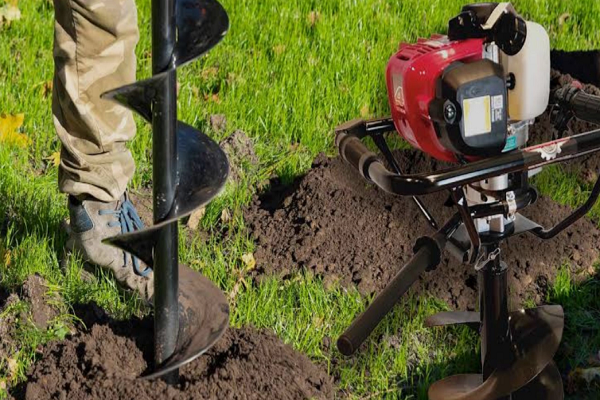
Post hole digger and digging bar
- Best for deep, narrow holes for posts or trees.
- Use a bar first to break rock or hardpan, then the digger.
- Essential for fence lines and orchards.
If you are still unsure about how to choose the right digging tool for garden soil, match the tool to your soil and the root or rock load first, then test the weight in your hands.

Ergonomics, size, and weight
Good fit is non-negotiable in how to choose the right digging tool for garden soil. If the handle is too long or heavy, you waste power. If it is too short, you bend and strain.
What to look for:
- Handle length Choose a spade or shovel that meets your sternum when the blade is on the ground. Shorter handles give control; longer handles give leverage.
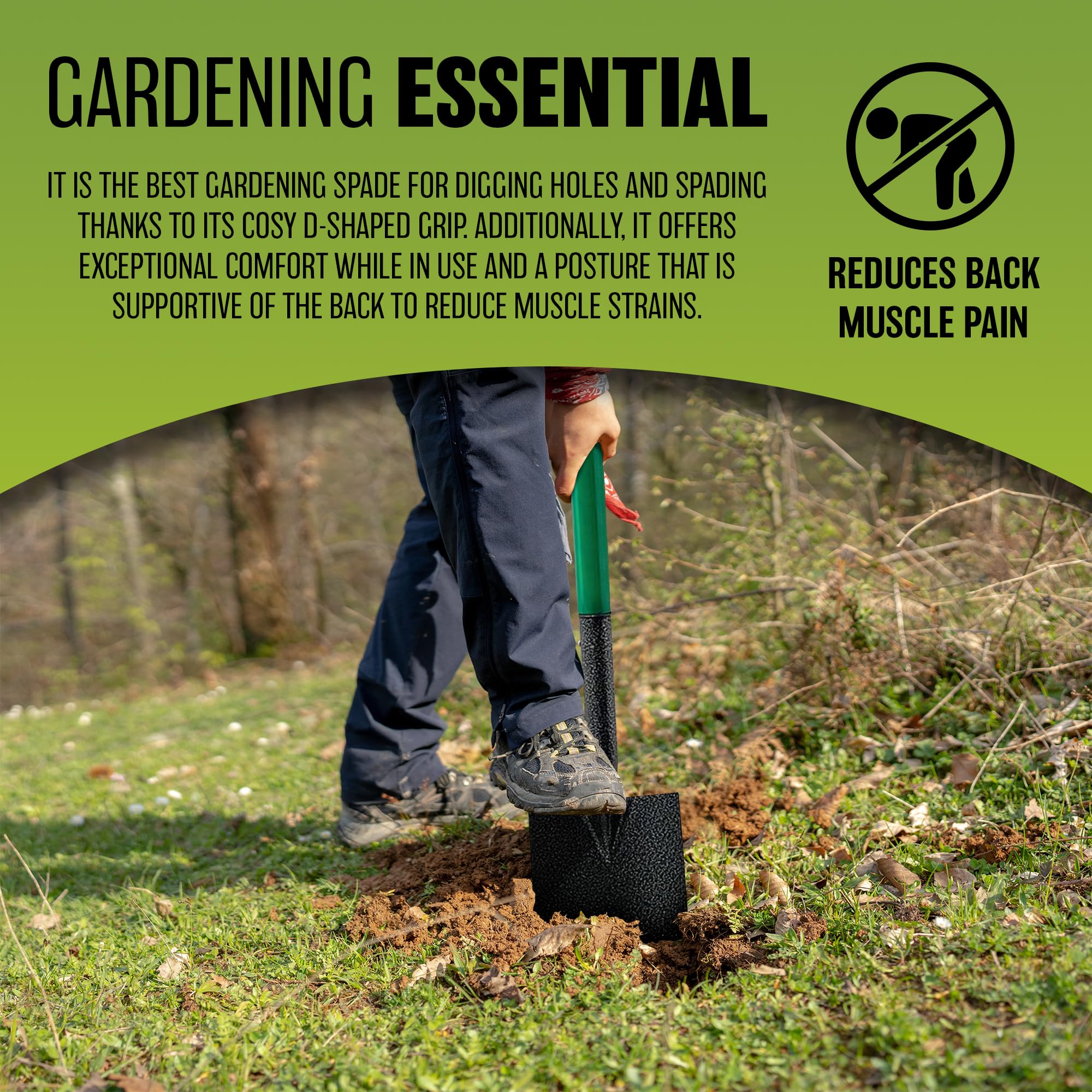
- Grip and diameter Aim for a handle you can close your hand around without strain. D-handles add control for edging and lifting.
- Weight Heavier heads cut better but tire you faster. For all-day work, pick a mid-weight tool and sharpen it well.
From experience: Swapping to a D-handle spade improved my edging lines and eased wrist pain. Small changes matter over a long season.
Materials and build quality
Tool quality shapes how to choose the right digging tool for garden soil because durability saves both time and cost. Look for strong, rust-resistant parts that hold an edge.
Key details:
- Blade Forged or tempered steel holds shape better than thin stamped steel. A sharpened edge matters in clay and sod.
- Handle Fiberglass resists rot and shock. Ash or hickory wood feels natural and is easy to repair. Avoid cheap softwood.
- Ferrule and collar The joint should be solid, with rivets or a long socket. Weak joints fail under prying.
- Warranty Good makers back their tools. That is a useful signal of build quality.
Simple maintenance adds years. Clean soil after use, dry the tool, and wipe a thin coat of oil on steel.

Soil moisture, season, and timing
Season and moisture shape how to choose the right digging tool for garden soil more than most people think. Wet soil is heavy and smears. Dry soil can be like concrete.
Use timing to your advantage:
- Clay Dig when it is moist but not sticky. If the soil clumps and shines, wait a day or two.
- Sand Work early morning or after a light watering to reduce collapse.
- Frozen or parched ground Use a mattock or bar first, then switch to a spade or shovel.
I plan big digging jobs for the day after rain in spring. The fork sinks with less effort, and the spade slices roots clean.
Budget, durability, and maintenance
Smart buying is part of how to choose the right digging tool for garden soil. You do not need the most expensive kit, but avoid false bargains.
Spend where it counts:
- One premium spade Use it for clean cuts and hard work. It will last for years.
- Mid-range shovel Use it for moving soil and compost.
- Solid fork Do not skimp here. Weak tines bend in clay and rock.
Care tips:
- Sharpen edges with a file a few times each season.
- Sand wooden handles and oil with linseed once a year.
- Store tools dry and off the ground to prevent rust.

Source: amazon.com
Safety, technique, and efficiency
Safe habits support how to choose the right digging tool for garden soil because good form boosts power and prevents injury.
Work smart:
- Use your legs Bend your knees, keep your back straight, and drive from your hips.
- Short strokes Take smaller bites in heavy soil. It keeps pace steady and safe.
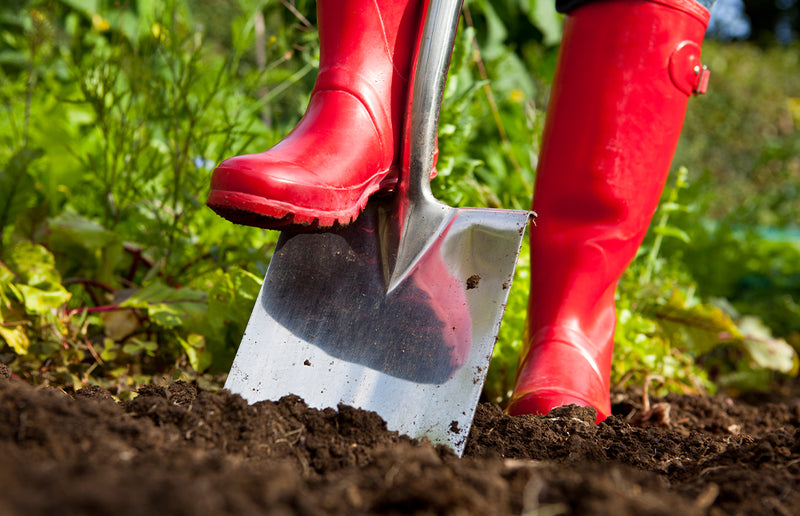
- Use leverage Step on the spade top with your boot. Rock the handle to break the cut before you lift.
- Switch sides Swap your lead foot and hand often to avoid strain.
A simple change in foot placement once saved me from a sore back during a long trench job. Technique is free power.
A quick decision checklist
Here is a fast way to remember how to choose the right digging tool for garden soil when you are at the store or in your shed.
- Name the task Are you breaking ground, edging, trenching, or moving soil?
- Check soil type Is it sandy, loam, clay, rocky, or rooty?
- Pick the tool Match the tool to the job and soil: fork for loosening, spade for cutting, shovel for moving, mattock for breaking.
- Test the fit Grip the handle, check the length and weight, and try a few motions.
- Inspect build Look at the blade, socket, handle, and joint quality.
- Plan care Sharpen, oil, and store so your tool stays ready.
Use this list, and your choice will feel easy every time.
Common mistakes and how to avoid them
Avoid these traps when learning how to choose the right digging tool for garden soil. They cost time, money, and energy.
- Using one tool for every job A shovel cannot replace a fork or mattock in hard clay.
- Ignoring fit A tool that hurts your hands will sit in the shed.
- Skipping maintenance A dull spade makes twice the work.
- Digging at the wrong time Wet clay turns to smeared slabs; dry clay beats up tools.
- Buying cheap joints A weak socket is the first thing to fail under prying.
Frequently Asked Questions of how to choose the right digging tool for garden soil
What is the best all-around digging tool for most gardens?
A round-point shovel is the most versatile for moving soil and general digging. Pair it with a spade for clean cuts and a fork for loosening.
How do I know if I need a digging fork or a spade?
Use a fork to loosen compacted soil or lift roots with less strain. Use a spade for straight cuts, edging, and slicing sod.
Does tool weight matter for long jobs?
Yes. A mid-weight tool protects your joints over time. Heavier heads cut faster, but they tire you out sooner.
Should I pick wood or fiberglass handles?
Fiberglass resists moisture and rot and absorbs shock. Wood feels warm and is easy to repair; choose ash or hickory for strength.
How often should I sharpen my spade or shovel?
Lightly file the edge every few weeks during heavy use. A sharp edge cuts roots and sod faster and reduces effort.
What is the right time to dig clay soil?
Dig when it is moist but not sticky. If it smears or shines, wait for it to dry slightly.
Do I need a mattock for a small garden?
Not always. It is useful for hardpan, roots, and rocks; otherwise, a fork and spade may be enough.
Conclusion
Choosing well is simple when you match soil, task, and fit. Now that you know how to choose the right digging tool for garden soil, you can work faster, safer, and with less strain. Start with one quality spade or fork, sharpen it, and get the job done today. Ready for more practical garden guides and tool tips? Subscribe, share your questions, or leave a comment with your favorite tool and why.