Adaptive Seasonal Planning: Data-Driven Guide 2026
Adaptive seasonal planning uses real-time data to adjust plans as seasons shift.
If you want steadier growth in a changing market, adaptive seasonal planning is your edge. I have led teams through wild swings in demand, weather, and supply. This guide breaks down the full system. You will learn how to build forecasts, pick the right metrics, and act fast with confidence.
What is adaptive seasonal planning?
Adaptive seasonal planning is a way to plan and re-plan across seasons using live data. It blends forecasting, scenario thinking, and fast execution. The goal is to match supply, content, staffing, and budget to real demand.
Traditional plans lock in early and stay fixed. Adaptive seasonal planning keeps a rolling view. It updates the plan as signals change. Teams meet often, adjust targets, and act before gaps grow.
It works in retail, agriculture, travel, media, energy, and more. It is also a strong fit for small teams. They can move faster and get ahead of bigger rivals.

Why adaptive seasonal planning matters now
Seasons are no longer stable. Weather, trends, and global events shift faster. Static plans leave money on the table. They also create stockouts, waste, and weak campaigns.
Adaptive seasonal planning cuts risk and improves margin. It keeps your plans close to the real world. You can scale what works and stop what does not. You build trust with customers through steady service and timely offers.
I have used adaptive seasonal planning to shorten lead times and lift sell-through. We reduced clearance by acting earlier on signals. We also raised conversion by syncing content to live search trends.

Core principles of adaptive seasonal planning
- Rolling horizon planning: Keep a 12-month view and update it each month.
- Data diversity: Blend sales, search, social, weather, and POS data. Do not rely on one source.
- Leading indicators: Track signals that move before demand. Think pre-orders, site searches, and waitlist size.
- Scenario thinking: Plan for base, upside, and downside. Tie actions to each path.
- Tight feedback loops: Shorten cycles. Meet weekly. Ship small changes. Measure and learn.
- Cross-team rhythm: Align merchandising, marketing, ops, and finance on the same cadence.
These ideas help you respond fast without chaos. You act with intent, not guesswork.
Step-by-step process to get started
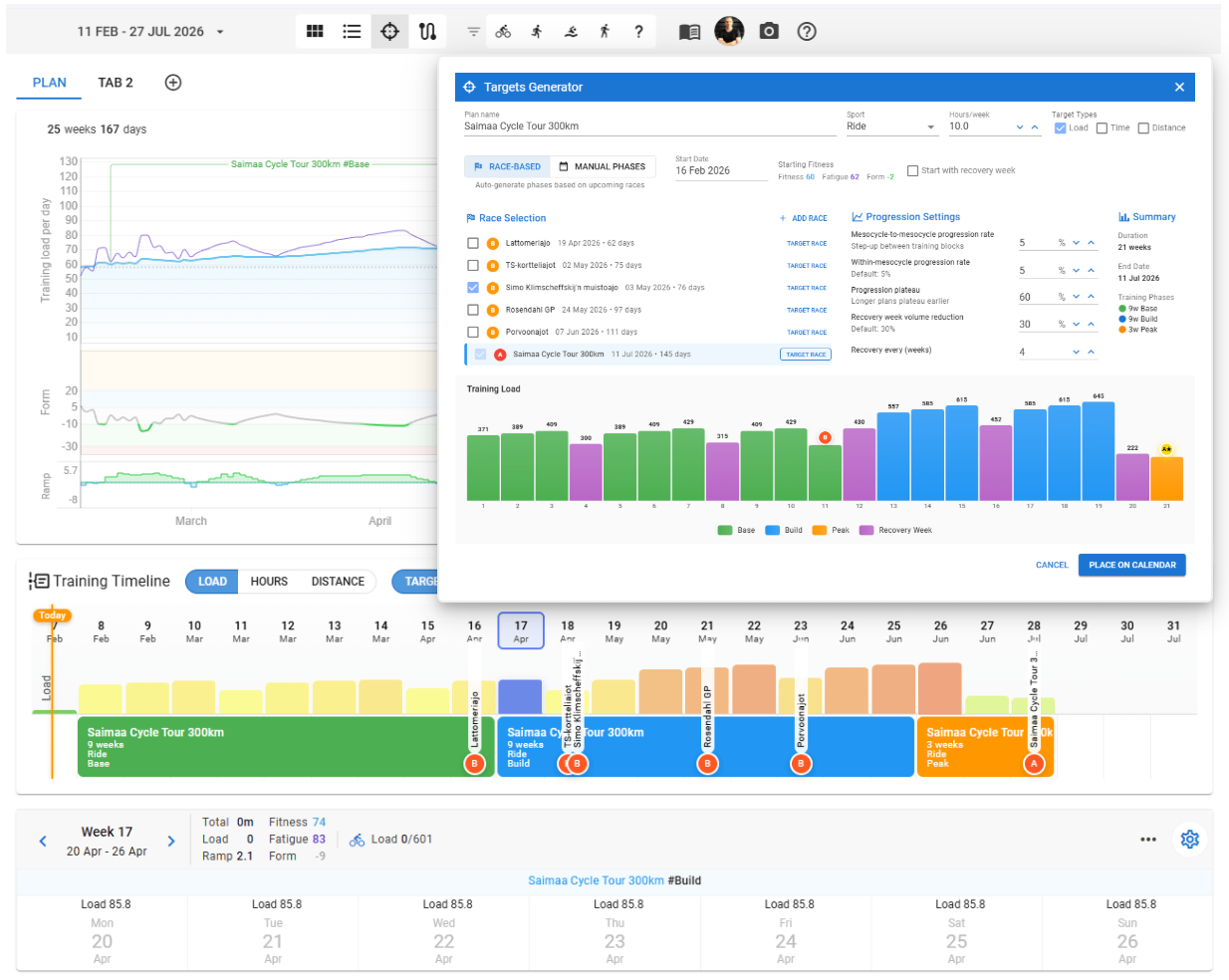
- Define seasonal goals. Set revenue, margin, and service targets by quarter.
- Map demand drivers. List weather, holidays, school terms, and events that shape your sales.
- Gather data. Pull 2–3 years of history. Add search trends and weather norms.
- Build a baseline forecast. Use simple models first. Layer expert tweaks.
- Create scenarios. Set ranges for upside and downside. Tie each to clear moves.
- Align supply and content. Match buys, staffing, and campaigns to the plan.
- Set a review cadence. Hold weekly standups and monthly re-forecasts.
- Act on signals. Adjust budgets, pricing, and inventory in small steps.
- Measure impact. Track KPIs and log what worked and why.
- Retrospect. After each season, capture wins and misses. Update playbooks.
If you keep it simple, momentum grows. Your plan will improve each cycle.
Tools and data sources that help
- Analytics and BI: Dashboards for sales, margin, traffic, and stock.
- Demand signals: Site search, waitlists, email opens, and social mentions.
- Market data: Price trackers, category trends, and competitor moves.
- External drivers: Weather forecasts, event calendars, school breaks, and fuel prices.
- Planning software: Forecasting, inventory, and scenario tools.
- Workflow tools: Shared calendars, task boards, and alert systems.
You do not need all of these to start. Pick the few that explain most of your swings.
Real-world use cases and examples
Retail apparel: A cold spring slowed dress sales. Our site search showed interest in light jackets. We shifted ad budget and pulled forward midweight layers. Sell-through improved in two weeks.
Ecommerce beauty: A viral trend boosted a shade line. Pre-order counts spiked. We pushed rush orders, updated PDP content, and launched bundles. Stockouts fell and AOV rose.
Agriculture: Early heat cut yield risk. We moved irrigation plans and adjusted crop mix. This reduced losses and protected contracts.
Travel and hospitality: A storm hit peak season. We pivoted to local staycation offers. We kept occupancy stable and defended rate.
Energy utilities: Long heat waves drove demand peaks. Teams used demand response plans and maintenance windows. Outage risk dropped and service held.
These wins came from one habit. Adaptive seasonal planning turned signals into action fast.
Metrics and KPIs to track
- Forecast accuracy by week and by category
- Sell-through rate and weeks of cover
- Stockouts and overstock levels
- Gross margin return on inventory
- Conversion rate and cart size
- Promo ROI and marketing efficiency
- Lead time and on-time in-full
- Customer satisfaction and repeat rate
Track a small set at first. Add more as your plan matures.
Common mistakes and how to avoid them
- Chasing noise: Smooth data and confirm with two signals before big moves.
- Planning in silos: Hold joint reviews. Share one source of truth.
- Over-fitting models: Keep models simple. Use expert input for edge cases.
- Reacting too late: Shorten cycles. Build pre-approved playbooks.
- Ignoring post-mortems: Write down lessons. Turn them into clear rules.
Adaptive seasonal planning is a habit. Discipline beats hero moves.
Advanced tactics that raise impact
- Scenario libraries: Pre-build plays for heat waves, shipping delays, and viral spikes.
- Rolling forecasts: Update weekly for 8–12 weeks out. Keep quarterly goals steady.
- Price and promo testing: Use small tests before wide rollout.
- Demand sensing: Blend POS, web traffic, and weather for short-term updates.
- Assortment agility: Keep flexible buys and quick-turn vendors.
- Content automation: Trigger content by signals like temperature or search volume.
These tools layer on. Add them after your core cadence is stable.
A 90-day implementation roadmap
- Weeks 1–2: Define goals. Map drivers. Pick data sources. Agree on cadence.
- Weeks 3–4: Build baseline forecast and three scenarios. Draft a simple dashboard.
- Weeks 5–6: Create playbooks for top risks. Align inventory and media plans.
- Weeks 7–8: Run first cycle. Make one or two small adjustments.
- Weeks 9–10: Review impact. Fix data gaps and alerts.
- Weeks 11–12: Add a second signal and one advanced tactic. Document lessons.
Keep scope tight. Progress beats perfection.
Content and marketing calendar the adaptive way
- Anchor dates: Holidays, events, launches, and school breaks.
- Seasonal arcs: Tease, launch, peak, sustain, and clear phases.
- Signal checks: Weekly review of search trends and engagement.
- Modular assets: Build templates for fast swaps.
- Geo nuance: Adjust by region based on local weather or culture.
- Budget shifts: Pre-approve ranges to move funds as signals change.
This keeps your message fresh and tied to what people want now.
Risk management and contingency planning
- Supply risk: Dual-source key items. Hold safety stock where it pays.
- Demand risk: Use deposits, waitlists, and bundles to shape demand.
- Logistics risk: Book backup carriers. Stagger inbound.
- Compliance risk: Track rules for promotions, pricing, and claims.
- Reputation risk: Set clear service SLAs. Prepare support scripts for spikes.
A calm plan reduces panic when things change fast.
Sustainability and supply chain alignment
Adaptive seasonal planning can cut waste. It reduces over-buys and late cuts. It aligns shipments to real demand, which lowers emissions. It also improves customer trust with fewer delays and fewer poor fits.
Work with suppliers on flexible MOQs and faster change cycles. Share demand signals upstream. This helps all partners win.
Frequently Asked Questions of adaptive seasonal planning
What is the difference between adaptive seasonal planning and traditional planning?
Traditional plans set once a year and stay fixed. Adaptive seasonal planning updates often with fresh signals and clear playbooks.
How often should I update my seasonal plan?
Update weekly for near-term and monthly for the broader horizon. Use quick huddles to approve small shifts fast.
What data is most useful to start?
Use sales history, site search, and weather forecasts. These three explain a large share of seasonal swings.
Do small teams need complex software?
No. Start with spreadsheets and a shared dashboard. Add tools as your process matures.
How do I avoid overreacting to noise?
Wait for two confirming signals and a minimum threshold. Move in small steps and measure the gain.
Can adaptive seasonal planning work for B2B?
Yes. Align to fiscal cycles, trade shows, and contract renewals. Track pipeline velocity and lead intent.
What KPIs prove the model works?
Watch forecast accuracy, sell-through, margin, and stockouts. Improved stability and faster turns are good signs.
How long before I see results?
You can see wins in one season. Larger gains build over two to three cycles.
Is machine learning required?
It helps but is not required. Simple models plus expert input work well at the start.
How do I align teams on changes?
Use one dashboard and a set cadence. Define who decides what and within which budget range.
Conclusion
Adaptive seasonal planning helps you act fast with clear rules and better data. It turns guesswork into small, steady moves that add up. You can protect margin, serve customers, and sleep better during peak swings.
Start small this month. Pick two signals, set a weekly huddle, and test one playbook. Then tell your team what worked and repeat. If this helped, subscribe for more guides, or share your own seasonal win in the comments.