
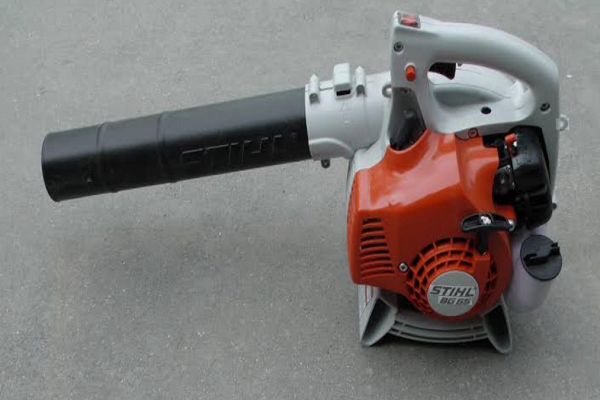
Press the stop switch, release the throttle, and unplug or remove the battery.
If you’ve ever fumbled with buttons while the engine screams, this guide is for you. I’ll show you how to turn off leaf blower models of every type, the right way and the fast way. I’ve used, serviced, and tested gas, corded, and battery blowers for years, and I’ll walk you through clear steps, safety tips, and real fixes when the switch won’t work. Stick around and you’ll know exactly how to turn off leaf blower equipment in seconds, without stress.
Safety first when powering down
Before anything else, think safety. Let go of the throttle and keep the nozzle away from people, pets, and fragile items. Set your stance, and avoid shutting down while on a ladder or uneven ground.
Hot engines and spinning fans can bite. Wear eye and ear protection until the impeller stops. Never bring a gas unit indoors while running; carbon monoxide is dangerous. If you’re here for how to turn off leaf blower gear fast, your safety still comes first.
Identify your leaf blower type and controls
Knowing your style of blower helps you power down correctly. Check the labels and controls before you start.
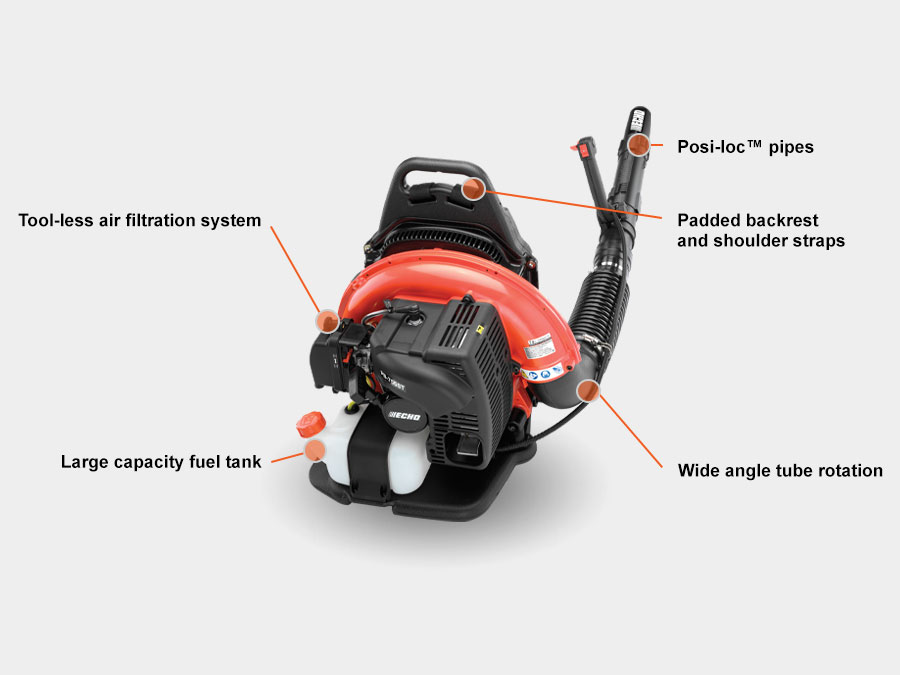
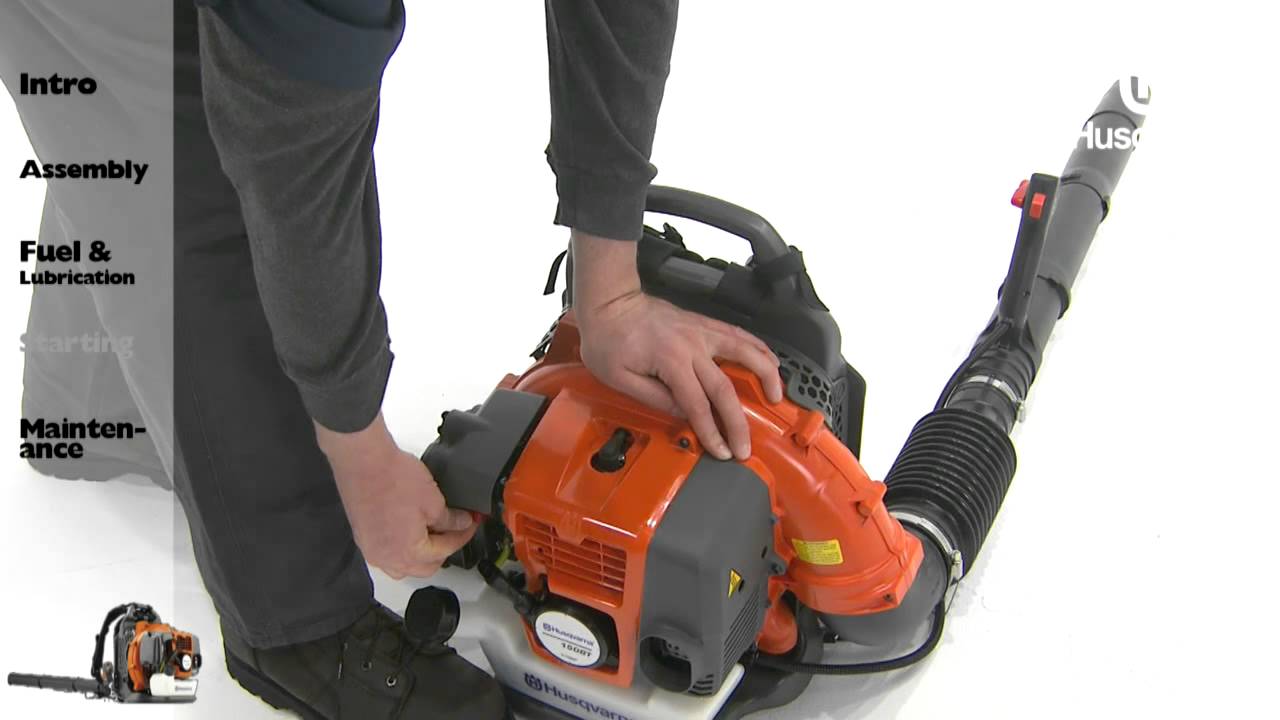
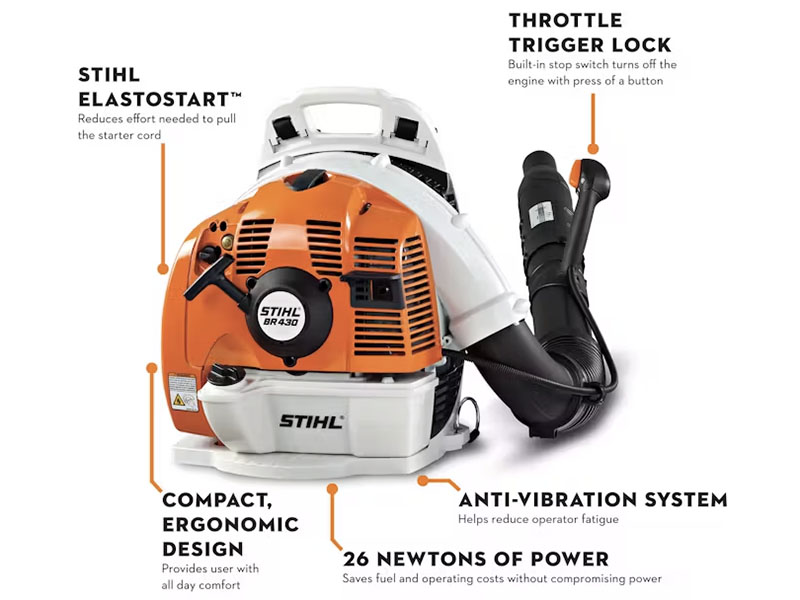
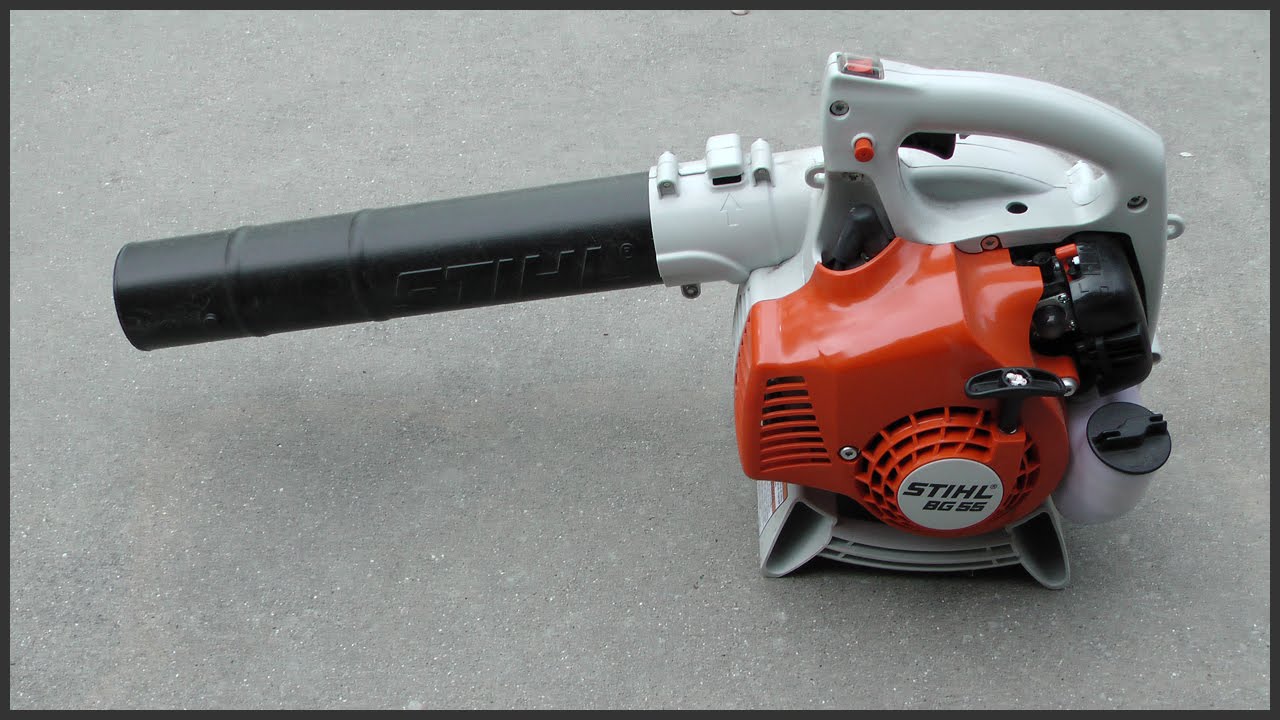
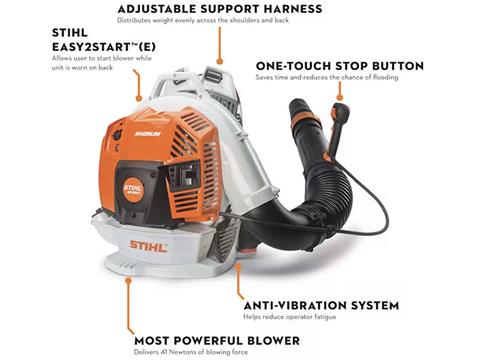
- Gas handheld or backpack: Look for a stop/kill switch (often marked I/O, On/Off, or Stop), a throttle trigger, a choke lever, and sometimes a fuel shutoff valve.
- Corded electric: You’ll usually have a trigger and an On/Off rocker or slide switch. The wall plug is your ultimate off.
- Battery cordless: Expect a trigger, a power button or safety key, and a removable battery pack. Some models also have a turbo button and cruise control.
If you’re unsure how to turn off leaf blower models in your garage, glance at the manual or control icons. Many are universal across brands.

Step-by-step: Turn off a gas leaf blower (2-cycle and 4-cycle)
Gas blowers use spark to run, so the stop switch kills ignition. Here’s the smooth, engine-friendly way.
- Release the throttle and let the blower idle for 5–10 seconds.
- Flip the stop/kill switch to Stop or O (Off).
- If your unit has a fuel valve, turn it Off for storage or transport.
- Keep hands clear of the intake and nozzle until the fan fully stops.
Tips from the shop:
- Do not use the choke to shut down in normal use. It can flood the engine.
- Backpack blowers often have the stop switch on the tube handle. Practice finding it without looking.
- If you’re learning how to turn off leaf blower engines in cold weather, give a little extra idle time. It prevents stalls that can load up the plug.

Step-by-step: Turn off a corded electric leaf blower
Electric blowers stop fast, but do it in order to protect the motor and cord.
- Release the trigger and switch the unit to Off.
- Wait for the fan to stop, then unplug from the outlet or extension cord.
- If you’re using a power strip, turn it Off before unplugging.
- Coil the cord dry and keep the plug off wet ground.
If your goal is how to turn off leaf blower units in a hurry, pulling the plug works, but switch Off first to avoid arcing and wear.

Step-by-step: Turn off a battery leaf blower
Cordless blowers are simple. Still, there’s a right order for battery health and safety.
- Release the trigger and press the power button to Off, if your model has one.
- Let the fan stop spinning.
- For transport or storage, remove the battery and store it cool and dry.
- If you used turbo mode, give it a few seconds of normal speed before you shut down to ease the load.
When folks ask how to turn off leaf blower tools mid-job, I suggest power Off first, then battery out if you’re walking away for a while.

Emergency shutoff methods if it won’t stop
Sometimes switches fail. Stay calm and use these safe steps based on your blower type.
Gas blowers:
- Flip the stop switch again. Try both positions.
- Close the fuel valve, if present. The engine will die as fuel runs out.
- Move the choke to full only as a last resort to stall it.
- If needed, block the air intake with a thick rag or gloved hand. Do not touch the fan.
- As a final step, pull the spark plug boot with insulated pliers. Avoid hot parts.
Corded electric:
- Unplug from the wall. If it’s hard to reach, shut the breaker or power strip.
Battery cordless:
- Release the trigger and remove the battery pack. Keep fingers clear of vents.
Knowing these backup moves is part of how to turn off leaf blower tools quickly when things go wrong.
Troubleshooting: Blower won’t shut off or keeps running
A blower that won’t stop is often a small control issue. Start simple and work carefully.
Gas models:
- Kill switch or wiring fault: The stop wire grounds the ignition coil to stop spark. If it’s loose or broken, the engine won’t shut off. Repair or replace the switch or wire.
- Stuck throttle or cruise control: Check for a jammed trigger, frayed cable, or a cruise lever stuck on.
- Dirty controls: Dust and oil can gum up switches. Clean with electrical contact cleaner.
Electric models:
- Failed trigger or rocker switch: Replace the switch assembly if it stays “closed.”
- Debris in the housing: Disconnect power and clean the intake path.
Always disconnect the spark plug boot, remove the battery, or unplug before any checks. If you’re not sure how to turn off leaf blower hardware safely for repair, ask a pro or visit a service center.
After shutdown: Care, cooling, and storage
Good shutdown habits keep your blower reliable and safe.
- Let the unit cool on a flat, open surface for 10 minutes.
- Brush off leaves and dust so vents stay clear.
- For gas: Close the fuel valve after each day. For long storage, drain fuel or add stabilizer.
- For battery: Store around half charge and avoid heat. For corded: Inspect the plug and wrap the cord loosely.
These steps round out how to turn off leaf blower routines so your next start is easy.
Common mistakes to avoid
A few small errors can cause big headaches. Skip these common pitfalls.
- Using the choke to stop every time. It can flood and foul the plug.
- Dropping the blower while it’s spinning. The fan can crack and injure you.
- Unplugging under heavy load without switching Off. It can wear contacts.
- Storing a hot blower in a tight space. Heat damage happens fast.
- Ignoring a sticky stop switch. Fix it before the next run.
Avoiding these habits is key to mastering how to turn off leaf blower equipment the right way.
Frequently Asked Questions of how to turn off leaf blower
Where is the stop switch on most gas leaf blowers?
It’s usually on the main handle or tube handle, marked Stop, Off, or O. Some models use a red rocker or a momentary kill button.
Is it okay to use the choke to shut off a gas blower?
Not for routine shutdown. It can flood the carb and make the next start harder.
How do I turn off a leaf blower that won’t stop with the switch?
For gas, close the fuel valve or block the air intake with a rag. For electric, unplug or remove the battery right away.
Do I need to let a gas blower idle before shutting off?
Yes, a short idle helps stabilize the engine and reduces plug fouling. Five to ten seconds is enough.
Should I remove the battery every time on a cordless blower?
Remove it for transport, storage, or when kids are around. For short breaks, power Off is fine, but battery out adds safety.
Can I just unplug a corded blower to stop it?
Yes, but switch Off first to cut load and reduce arcing. Then unplug from the outlet.
Why does my blower keep running after I release the trigger?
Cruise control might be engaged, or the trigger is sticking. Turn cruise off and clean or service the trigger.
Conclusion
Turning off a leaf blower should be quick, safe, and simple. Know your controls, follow the right steps for your model, and keep a backup plan for emergencies. With a few habits and checks, you’ll master how to turn off leaf blower tools every time without stress.
Put these steps to work on your next yard clean-up. If this helped, subscribe for more smart, practical tool tips or leave a comment with your model and questions.


