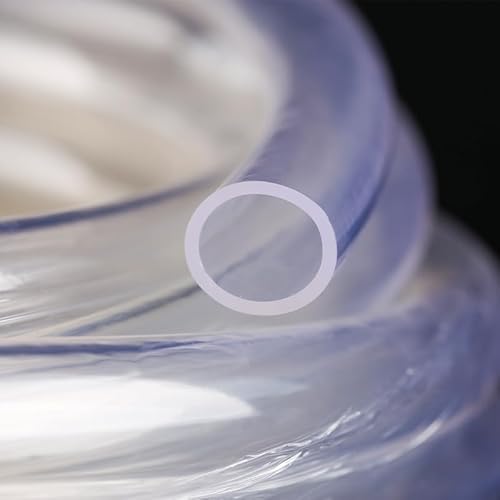
Average Flow Rate Of Garden Hose: 2026 Guide To PSI & GPM
The average flow rate of garden hose is about 8–12 GPM at home pressure.
If you want your sprinklers to pop, your pressure washer to bite, or your pool to fill fast, you need to understand the average flow rate of garden hose. I test hoses and outdoor taps often, and I’ll show you how flow really works, what affects it, and how to measure and boost it at home with simple tools. Stick around and you’ll leave with clear, proven steps and numbers you can trust.
What flow rate actually means (and why you care)
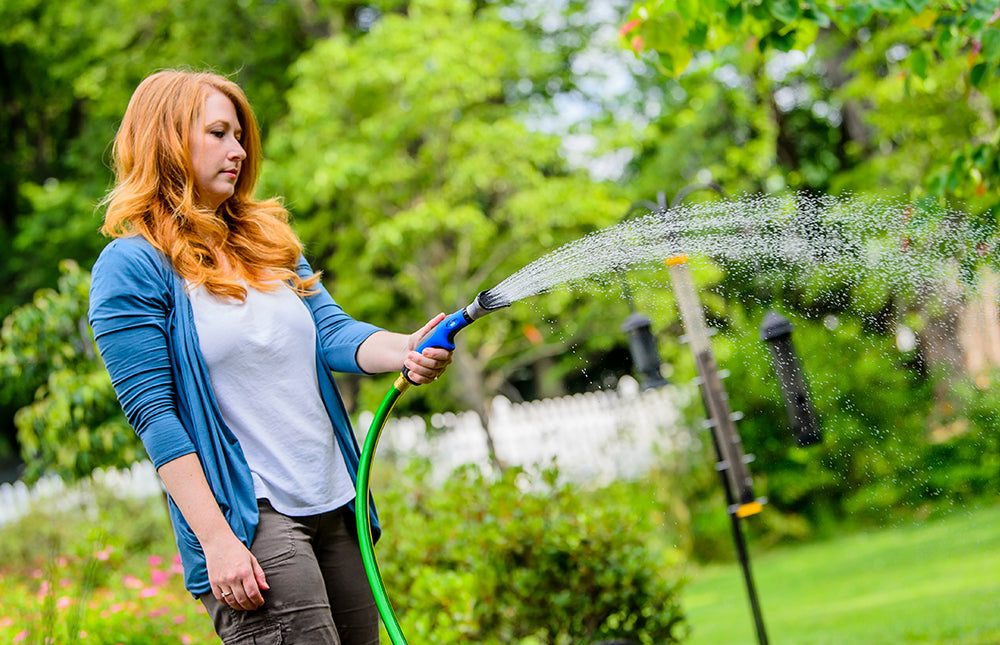
Flow rate is how much water moves through your hose over time. It’s usually measured in gallons per minute (GPM) or liters per minute (L/min).
Pressure pushes water. Hose size and length resist it. The right balance gives you the best result for your task, from watering beds to running a pressure washer. When people ask about the average flow rate of garden hose, they’re trying to size gear and save time without wasting water.

The average flow rate of garden hose by size and pressure
Most homes have 40–60 psi at the outdoor spigot. With that, here’s what you can expect from common hose sizes in good shape:
- 1/2 inch hose: about 4–8 GPM (15–30 L/min) at 50 psi
- 5/8 inch hose: about 8–12 GPM (30–45 L/min) at 50 psi
- 3/4 inch hose: about 12–20 GPM (45–75 L/min) at 50 psi
Real-world results depend on your spigot, plumbing, and hose length. Many homes top out near 6–12 GPM at the faucet itself. For a typical 5/8 inch by 50 ft hose, the practical average flow rate of garden hose is 8–12 GPM.
In my field checks, older valves and narrow pipes cut flow fast. Newer full-port spigots and larger hoses deliver more, even at the same pressure. The reported figures match manufacturer charts and plumbing handbooks for these sizes.

What changes your numbers: the key factors
Several variables raise or lower the average flow rate of garden hose. Watch these first:
- Supply pressure: Higher pressure pushes more water, up to the limit set by your tap and hose.
- Hose diameter: Bigger inside diameter means less resistance and more flow.
- Hose length: Longer hoses lose pressure along the run. Shorter is stronger.
- Hose build: Kinks, tight coils, rough inner walls, and small fittings all reduce flow.
- Nozzles and sprinklers: Small orifices limit GPM by design. High-flow heads increase it.
- Elevation: Going uphill lowers pressure and flow.
- Time of day: Shared demand can drop neighborhood pressure during peak use.
If you want to raise the average flow rate of garden hose, focus on diameter, length, and the fittings at both ends first. Those changes bring the biggest gains for the lowest cost.
How to measure your own hose flow (the 60‑second bucket test)
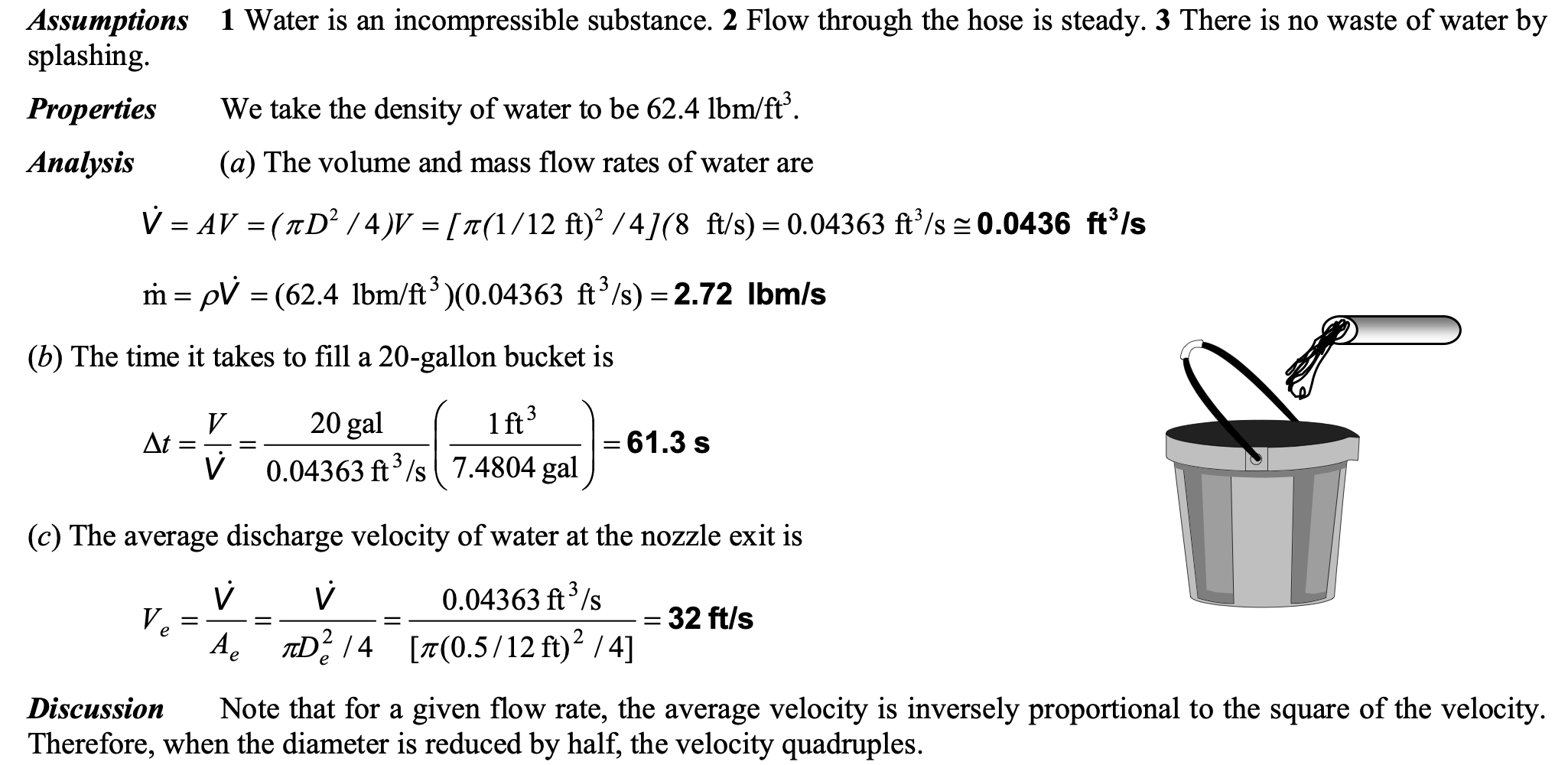
You do not need a gauge to get a solid number. Here’s a simple method I use on site:
- Grab a 5-gallon bucket with clear volume marks.
- Open the spigot fully with the hose attached and no nozzle.
- Time how long it takes to fill to the 5-gallon line.
- Calculate GPM: 5 gallons ÷ seconds × 60.
Example: If 5 gallons fill in 30 seconds, flow is 10 GPM. Run the test at the spigot alone and again through the hose. This shows the loss from the hose and fittings. This quick test gives you your true average flow rate of garden hose for your setup.
Pressure vs flow: the real rules (and common myths)
It’s easy to mix up pressure and flow. Here’s the clean version:
- Pressure is how hard water is pushed.
- Flow is how much water moves.
- Restrictions reduce flow and can make spray feel strong, but total GPM still drops.
- A bigger hose reduces friction, so more of your pressure becomes useful flow.
- Static pressure at rest is not the same as dynamic pressure while water is running.
If you add a booster pump, you can increase both pressure and the average flow rate of garden hose, but only if your plumbing and hose can handle it. Always check manufacturer limits and local code.

Match flow to the job: sprinklers, washers, and filling tasks
Getting the right result depends on meeting the tool’s flow needs:
- Impact or rotary sprinklers: Often need 3–5 GPM each. Run one or two heads per zone based on your test.
- Oscillating sprinklers: Many work best near 4–8 GPM for even coverage.
- Soaker and drip lines: Low flow by design, often under 2 GPM per zone with pressure reducers.
- Pressure washers: Electric units often need 1.2–2.0 GPM at 20–40 psi inlet. Gas units need more. Always meet the inlet spec.
- Filling tasks: Time to fill (minutes) = tank gallons ÷ GPM × 60. At 10 GPM, 1,000 gallons take about 100 minutes.
If your tool starves for water, try a 5/8 inch or 3/4 inch hose, shorten the run, and use a full-flow nozzle. These steps lift the average flow rate of garden hose seen by your end device.

How to improve the average flow rate of garden hose safely
I’ve tested many fixes. These give the best wins:
- Use a larger diameter hose, ideally 5/8 inch or 3/4 inch for long runs.
- Keep hoses as short and straight as possible.
- Swap old spigots for full-port valves that do not choke flow.
- Choose high-flow quick-connects and Y-splitters with wide bores.
- Avoid sharp kinks. Store hoses in loose coils.
- Remove debris from aerators, screens, and nozzles.
- Test pressure at the spigot. If it’s low, ask your utility or consider a booster (code-compliant).
- Water at off-peak times to avoid city pressure dips.
Mistakes to avoid:
- Running long 1/2 inch hoses in series. Friction loss stacks fast.
- Tiny nozzles for big sprinklers. Orifices set your upper limit.
- Ignoring leaks. Even small leaks steal GPM and pressure.
These simple choices can raise the average flow rate of garden hose without pushing your system too hard.

A simple calculator and quick reference
Use these quick numbers and rules:
- Convert units: 1 GPM ≈ 3.785 L/min.
- Fill time: Minutes = gallons ÷ GPM.
- Rough friction loss at 10 GPM per 100 ft of hose:
- 1/2 inch: heavy loss, expect big drops.
- 5/8 inch: moderate loss, common choice.
- 3/4 inch: low loss, best for long runs.
These are field-friendly rules of thumb drawn from standard hydraulics and manufacturer data. They help you estimate the average flow rate of garden hose and plan jobs with less guesswork.
Frequently Asked Questions of average flow rate of garden hose
What is the average flow rate of garden hose in most homes?
Most homes see 8–12 GPM at the hose with a 5/8 inch line. That equals about 30–45 L/min at 40–60 psi.
How does hose length affect the average flow rate of garden hose?
Longer hoses increase friction and reduce flow. If you can, keep runs under 50 ft or step up to 3/4 inch.
Will a pressure washer change the average flow rate of garden hose?
The washer needs a minimum GPM from the hose. If the hose cannot supply it, pressure drops and the pump may starve.
What size hose gives the highest average flow rate of garden hose?
A 3/4 inch hose delivers the most flow at the same pressure. It shines on long runs and high-demand tools.
How can I quickly check the average flow rate of garden hose without tools?
Use a 5-gallon bucket and a timer. Time the fill and do gallons ÷ seconds × 60 to get GPM.
Does a high-pressure nozzle increase the average flow rate of garden hose?
No. It can make a stronger jet but it often lowers total GPM. Flow depends more on hose size and system pressure.
Why is my average flow rate of garden hose lower at certain times?
Neighborhood demand can drop pressure during peak hours. Try watering early morning or late evening.
Conclusion
You now know how the average flow rate of garden hose works, what numbers to expect, and how to measure and improve your own setup. Test your spigot, pick the right hose size, and match flow to the job for better results and less waste.
Put the bucket test to work today, record your GPM, and tune your gear. If this helped, subscribe for more practical home water tips or drop your results in the comments—we learn faster together.