Why Digging Tools Matter For Healthy Root Growth: Top Tips
Good digging tools protect soil structure, boost airflow, and guide deep, strong roots.
Healthy roots need space, air, and steady water. I have shaped beds for years as a horticulturist and landscape lead. In this guide, I show why digging tools matter for healthy root growth. I explain what they do in soil, how to use them, and which tools to pick for your yard. Read on to see simple steps that help roots grow deep and thrive.
What Roots Need First: Air, Water, Space
Roots are living tissue. They breathe, drink, and grow. To do that, they need loose soil with many small pores. The best soil holds air and water at the same time.
When soil gets tight, roots stall. Water pools, then runs off. Fungi and pests can rise. This is why digging tools matter for healthy root growth.
A good dig does not flip the soil to dust. It makes paths for air and water. It lifts and opens the soil while leaving life in place.

The Science Behind A Good Dig: Pore Spaces And Flow
Think of soil like a sponge made of crumbs. The gaps between crumbs are pores. Big pores move water fast. Small pores hold water for later. Roots use both.
If you crush those pores, you starve roots of air. If you shatter them, water drains too fast. The right tool keeps a mix of pores. That is why digging tools matter for healthy root growth.

What The Right Digging Tool Actually Does
Each tool shapes soil in a different way. Some slice. Some pry. Some lift. Use them with care to aid root growth.
- Spade. A flat blade that slices clean edges for beds and trenches.
- Shovel. A curved blade that moves soil and compost with ease.
- Garden fork. Tines that loosen soil with less smearing or compaction.
- Broadfork. Two handles and wide tines that lift and aerate deep beds with low soil flip.
- Trowel. A hand tool for small holes and fine work near roots.
- Mattock or pick. Great for hardpan and rocky spots.
- Manual auger. Bores holes for trees, shrubs, and posts while leaving sides intact.
Use the tool that fits the job and your soil. If we pick well, we keep structure and speed root growth. That choice is a core part of why digging tools matter for healthy root growth.
Match Tool To Soil Type And Task
Sand, silt, clay, and loam act in different ways. One tool will not suit them all.
- Clay soil. Use a garden fork or broadfork to lift and crack the soil. Avoid wet-day digging to prevent smear.
- Sandy soil. Use a shovel and add compost. Avoid over-loosening. You want more small pores to hold water.
- Loam. Use a spade to shape beds and a fork to refresh pores. Keep it simple to protect structure.
- Compacted paths. Use a mattock or fork to break the hard layer. Then add mulch and organic matter.
For planting, choose the tool by plant size.
- Seedlings. Use a trowel or narrow spade for small, snug holes.
- Perennials. Use a spade and fork to open sides and base of the hole.
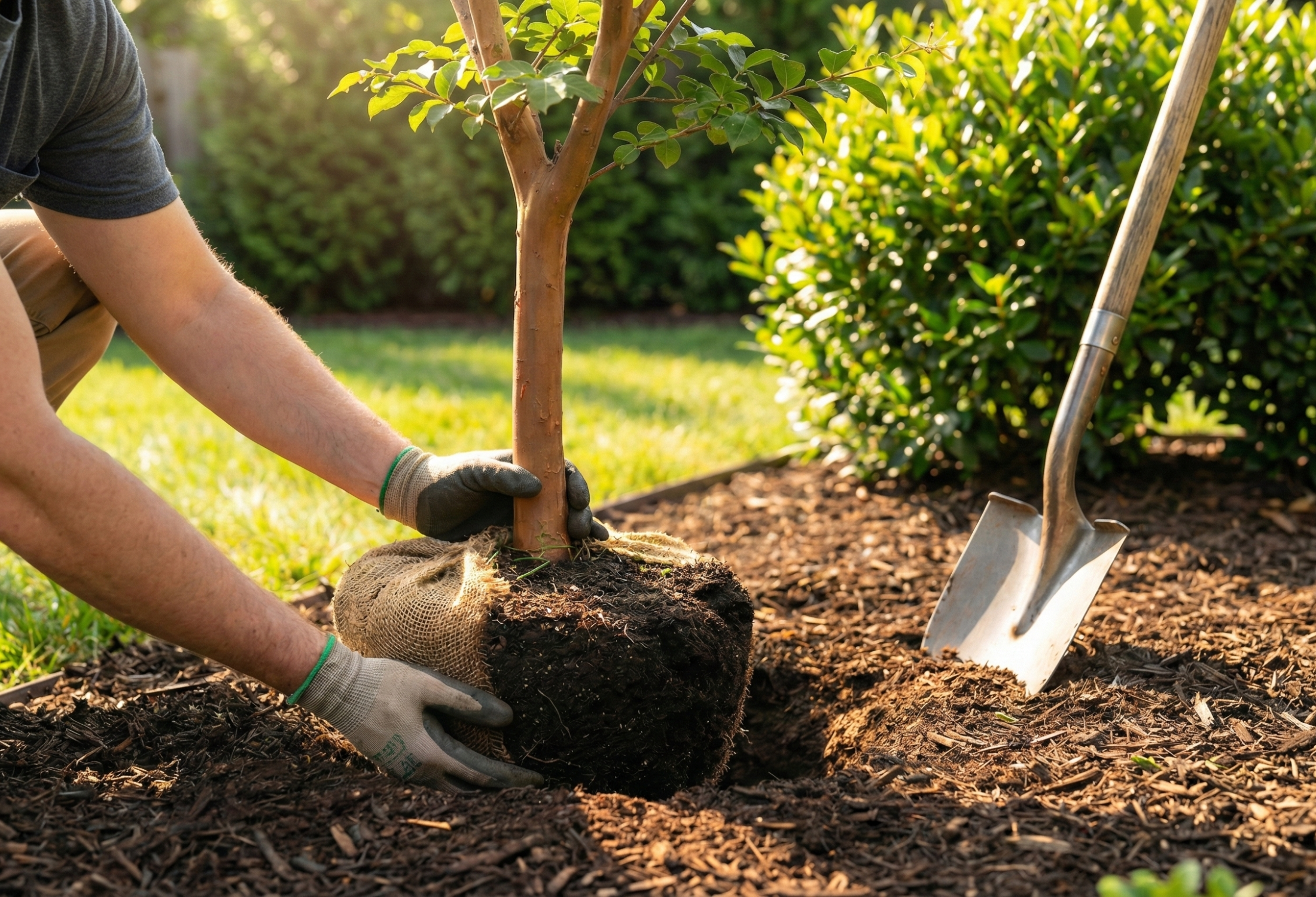
- Trees and shrubs. Use a spade and fork or an auger to make a wide, shallow hole with rough sides.
Pick with care, and you will see fast gains. That clear match is why digging tools matter for healthy root growth.
Technique That Protects Roots And Soil Life
Good technique beats brute force. Here is a simple method I teach crews.
- Check moisture. Soil should be damp like a wrung-out sponge. Too wet smears. Too dry shatters.
- Loosen, do not flip. Push in a fork. Rock back to lift the soil 1 to 2 inches. Move on, repeat.
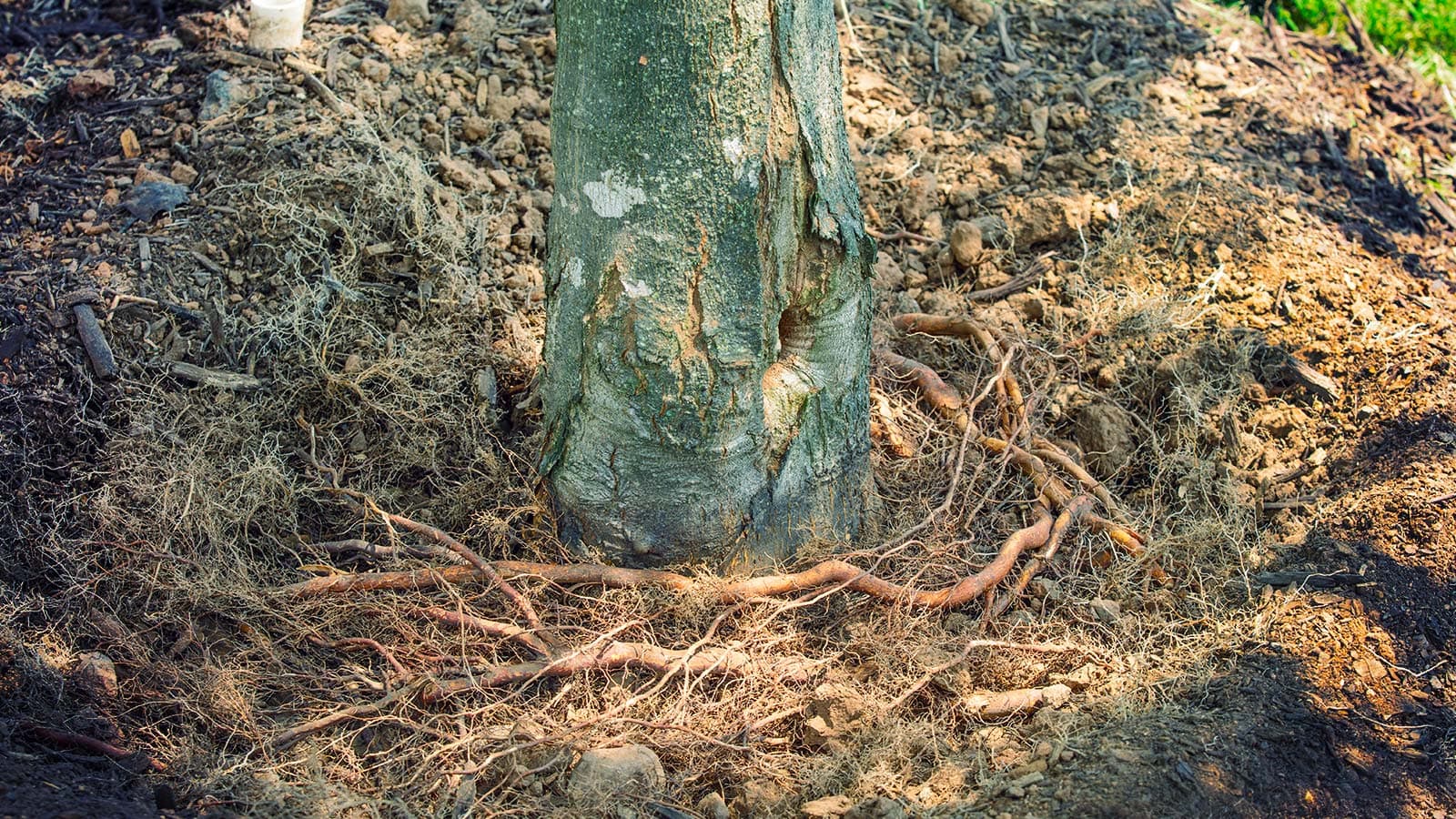
- Open the hole sides. Rough sides help roots break out. Smooth, glazed sides block roots.
- Plant high, not deep. Set the root flare at or just above grade. Backfill with the same soil.
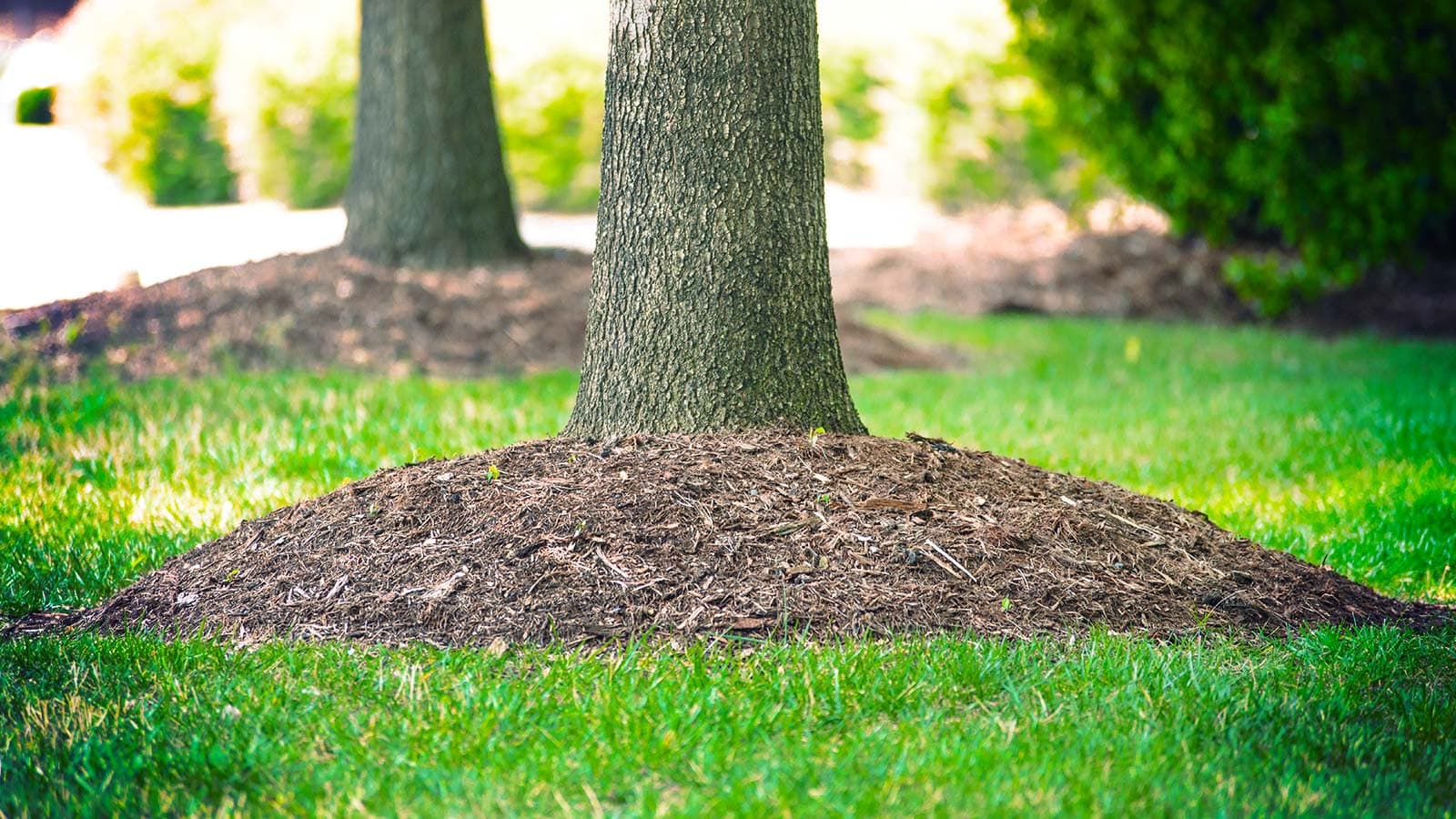
- Water and mulch. Water to settle. Add a 2 to 3 inch mulch layer. Keep mulch off the stem.
These simple steps show why digging tools matter for healthy root growth. Used well, tools reduce stress and set roots up to win.
Add Organic Matter The Smart Way
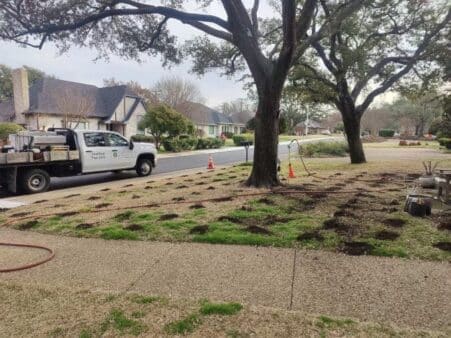
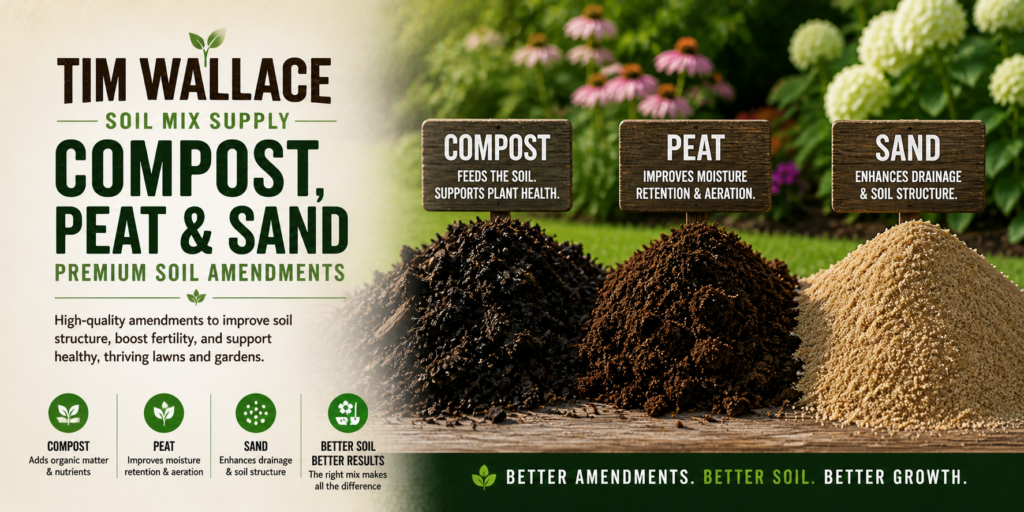
Tools are key to blending compost, leaf mold, or biochar with care.
- Top-dress first. Spread compost on the surface.
- Fork it in lightly. Use a fork to lift and mix the top 3 to 4 inches.
- Leave layers in place. Do not till deep unless you must break a pan.
- For trees, mix a little compost in the backfill, but keep most on top as mulch.
This slow-and-steady blend feeds microbes. It builds crumbs and pores over time. That process is a big part of why digging tools matter for healthy root growth.
Errors To Avoid When Digging
Some moves harm roots more than they help. Learn from these common slips.
- Digging when soil is wet. This smears pores and blocks air.
- Tilling too deep each year. This can burn soil carbon and break fungal webs.
- Glazing hole walls. Smooth walls act like pots in the ground.
- Planting too deep. Roots suffocate and stems rot.
- Over-firming backfill. This compacts pores near tender new roots.
Avoiding these traps is one more reason why digging tools matter for healthy root growth.
Ergonomics, Safety, And Tool Care
Your body and your tools are a system. Care for both.
- Choose the right handle length. A tool that fits your height lowers strain.
- Use your legs, not your back. Keep the load close to your body.
- Keep blades sharp and clean. Sharp tools slice clean and disturb less soil.
- Sanitize between sites. Wipe tools with alcohol to curb spread of disease.
- Store dry. Oil metal parts and hang tools to prevent rust.
Safe, sharp tools make better cuts and protect soil pores. That link is why digging tools matter for healthy root growth.
Sustainable Digging: Less Disturbance, More Life
You can build beds with little soil flip. This aids worms, fungi, and microbes.
- Broadfork, do not till. Lift the bed to 8 to 10 inches, keep layers intact.
- Add mulch often. Leaves, straw, and compost form a slow, rich top layer.
- Plant cover crops. Roots dig for you and feed the soil.
- Use paths and boards. Keep foot traffic off beds to prevent compaction.
These low-disturbance steps show, again, why digging tools matter for healthy root growth.
Field Notes: What I Learned On Real Sites
On a school garden with heavy clay, we tried two plots. One was rototilled each spring. The other was broadforked once, then mulched. By mid-summer, the broadfork plot had deeper carrot roots and fewer forked tips. Water use dropped by a third.
At a tree install on a new build, we stopped using round, smooth auger holes. We roughed the sides with a spade and fork. Roots broke out fast, and the trees rode out a hot June with less wilt. These wins are why digging tools matter for healthy root growth in the real world.
Frequently Asked Questions of why digging tools matter for healthy root growth
Do roots need air as much as water?
Yes. Roots respire and need oxygen to live. Air in soil pores keeps roots active and ready to grow.
Is a garden fork better than a shovel for compacted soil?
Often, yes. Fork tines loosen with less smear, which keeps pore spaces open.
Should I till my garden every year?
Not by default. Use light loosening, mulch, and cover crops to protect soil life and structure.
How wide should I dig a hole for a tree?
Make it two to three times the root ball width and only as deep as the root ball. Rough the sides so roots can grow out.
What is the best time to dig and plant?
Work soil when it is moist but not wet. Plant in spring or fall when heat stress is low.
Does compost go in the hole or on top?
Both can help, but most compost should go on top as mulch. Lightly blend a small amount in the backfill if needed.
Can I use an auger for shrubs without harming roots?
Yes, if you rough the sides after drilling and avoid glazing. Do not make a smooth, tight cylinder.
Conclusion
Healthy roots are the base of healthy plants. The right tools, used the right way, shape the soil so air and water can flow. This is why digging tools matter for healthy root growth, from beds to trees and shrubs. Pick the tool for your soil, work with care, and let roots do the rest.
Try one upgrade this week. Sharpen your spade, broadfork a small bed, or fix your planting hole method. Notice how water sinks, how mulch settles, and how plants respond. Want more tips like this? Subscribe, share your results, or drop your questions in the comments.