Standard Diameter Of Garden Hose: Best Size Guide 2026
In the U.S., the standard diameter of garden hose is 5/8 inch (ID).
That single spec drives flow, pressure, and how your hose behaves in real use. I have set up hoses for homes, farms, and job sites for years. In this guide, I explain the standard diameter of garden hose, how it affects performance, and how to choose the right size with confidence. Expect clear examples, pro tips, and simple rules you can trust.
What “standard diameter of garden hose” really means
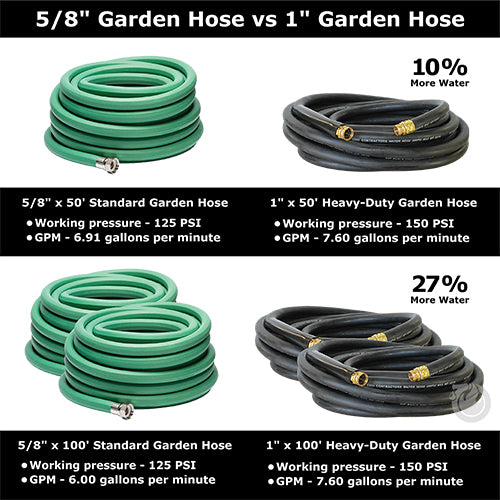
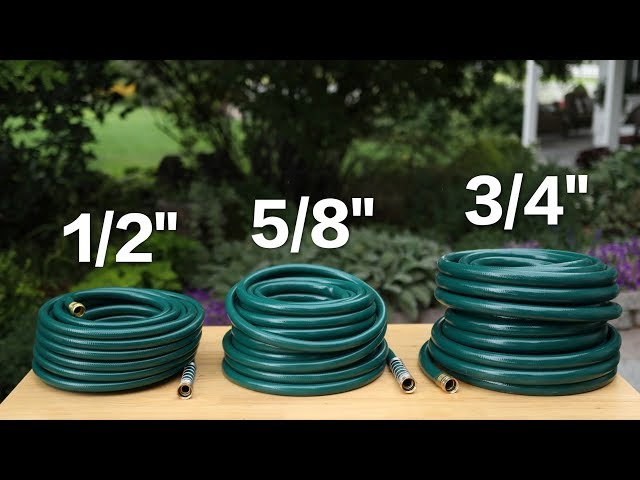
When people ask about the standard diameter of garden hose, they mean the inner diameter, or ID. In the U.S., the most common size on store shelves is 5/8 inch. You will also see 1/2 inch and 3/4 inch. All three are standard in the market, but 5/8 inch is the default for most homes.
Here is the quick map between sizes and typical use:
- 1/2 inch ID. Light duty, short runs, small nozzles, gentle watering.
- 5/8 inch ID. General purpose, most sprinklers, most yards, best all-around.
- 3/4 inch ID. High flow, long runs, filling tanks, feeding many sprinklers.
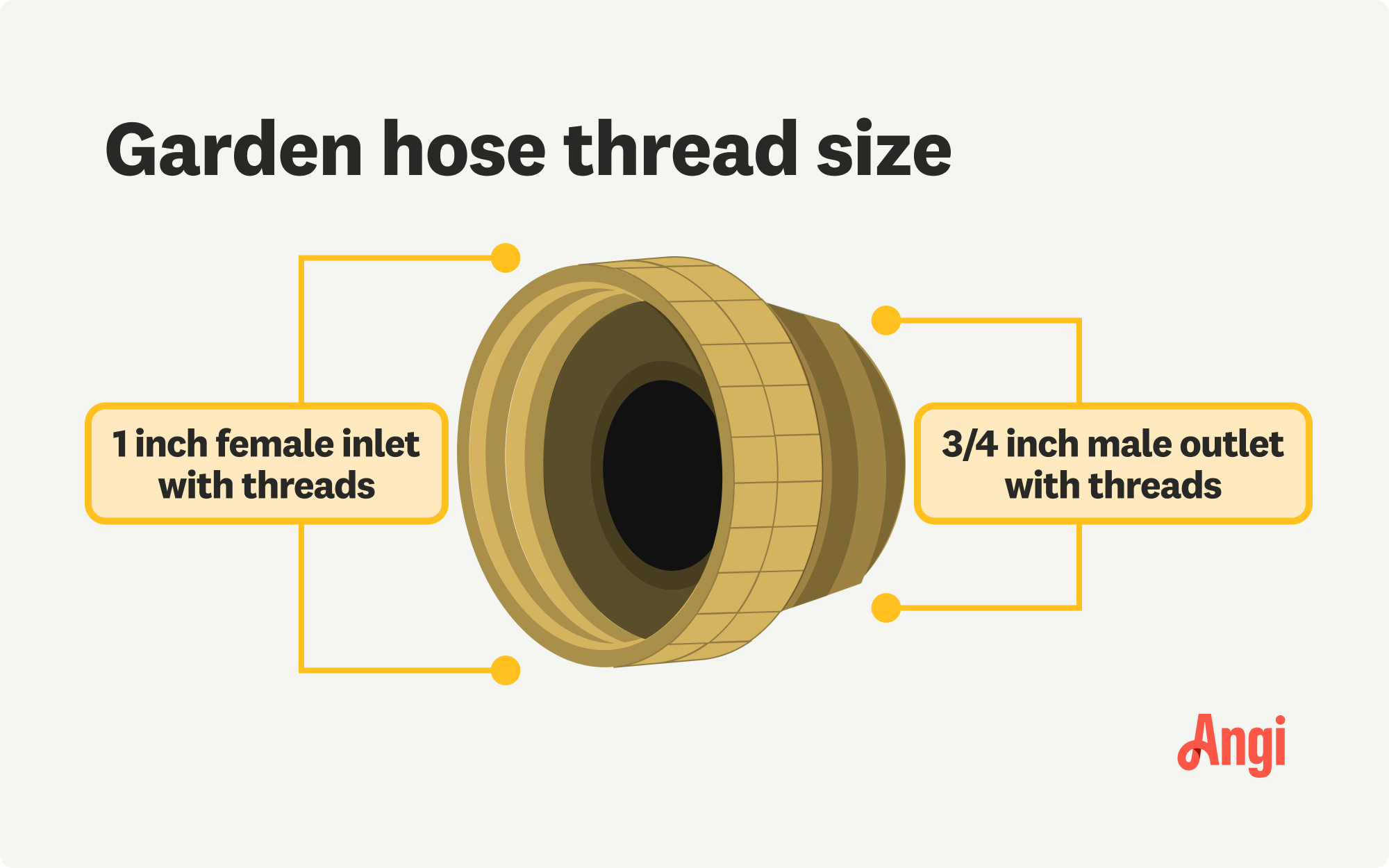
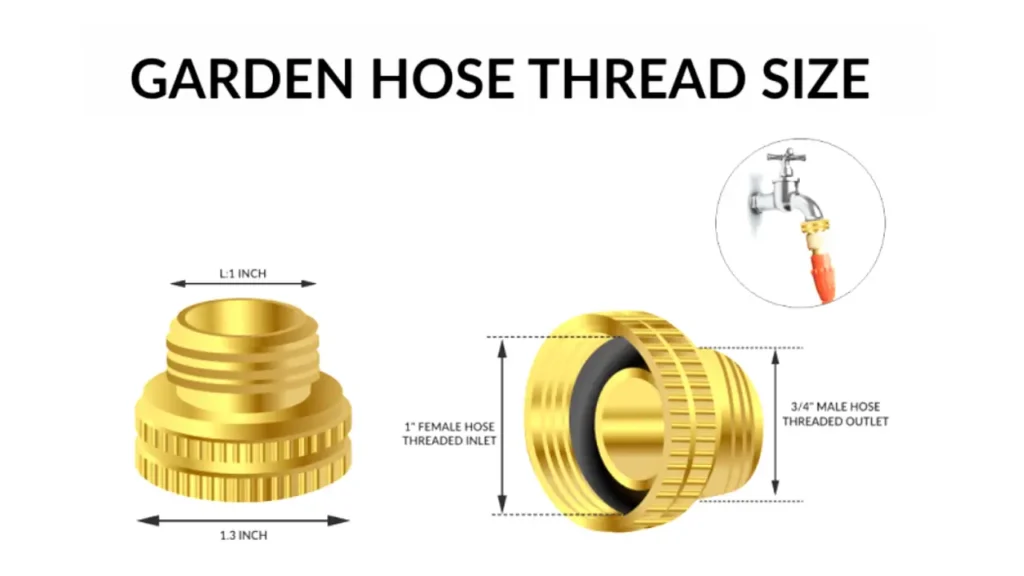
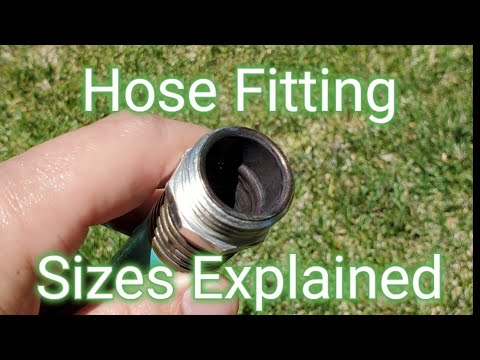
When you shop by the standard diameter of garden hose, also note the thread on the ends. In North America, fittings are 3/4 inch GHT (garden hose thread). This is different from pipe thread and seals with a flat washer.

How diameter affects flow, pressure loss, and performance
The standard diameter of garden hose shapes how much water you get at the nozzle. Larger ID lets more water through. It also cuts pressure loss over distance. Smaller hose is lighter and cheaper, but it restricts flow more.
A few simple truths help:
- Flow rises fast with diameter because area grows with the square of ID.
- Pressure drop falls as diameter grows, especially on long hoses.
- Long hoses add drag. A 100 ft run needs a bigger hose than a 25 ft run.
Real-world ballparks at typical home pressure (40–60 psi), using common lengths:
- 1/2 inch: about 5–9 gpm on short runs. Less with long runs or kinks.
- 5/8 inch: about 10–17 gpm. Good for most sprinklers.
- 3/4 inch: about 15–25 gpm. Best for high-demand tools.
These are estimates. Nozzle type, hose wall texture, fittings, and valves change results. Still, they show why the standard diameter of garden hose matters so much.
Choosing the right size for your task
Use the standard diameter of garden hose as your starting point. Then match it to your task, length, and water source.
Good rules of thumb:
- Patio hand watering under 50 ft: 1/2 inch is fine and easy to handle.
- Most yards, 25–100 ft, mixed nozzles and sprinklers: choose 5/8 inch.
- Long runs over 100 ft or multiple sprinklers in series: go 3/4 inch.
- Low-pressure wells or gravity tanks: larger ID to cut losses.
- Pressure washers: check the manual. Most like 5/8 inch feed hoses.
If you need to run 150 ft to the back fence, I do not gamble on 1/2 inch. I step up. The standard diameter of garden hose for that case is 3/4 inch to protect flow at the end.
 material, and fittings also matter”
style=”max-width: 100%; height: auto; border: 2px solid black; border-radius: 10px; display: block; margin: 0 auto;”
loading=”lazy”
/>
Length, material, and fittings also matter
Diameter is not the only spec. The standard diameter of garden hose works together with length, material, and ends.
Key factors to check:
- Length. Longer hoses add pressure drop. Use the shortest length that works.
- Material. Vinyl is light and cheap but kinks more. Rubber is tougher, stays flexible in cold, and resists abrasion. Hybrid hoses blend both.
- Reinforcement. More ply or mesh means better burst strength and kink resistance.
- Fittings. Solid brass lasts longer than plastic. Always keep a spare washer. Most U.S. hoses use 3/4 inch GHT threads. Quick-connects save time but add small losses.
I have seen light vinyl 5/8 inch hoses act like a 1/2 inch under stress due to kinks and crush points. The standard diameter of garden hose only helps if the hose keeps its shape.
Metric sizes and global standards
Outside North America, the standard diameter of garden hose is often listed in millimeters. Common sizes match U.S. sizes closely:
- 12 mm ≈ 1/2 inch
- 15 mm ≈ 5/8 inch
- 19 mm ≈ 3/4 inch
Thread standards differ too. Europe and many regions use BSP threads and click-fit systems. In the U.S. and Canada, it is 3/4 inch GHT. If you import gear, use the right adapters. The standard diameter of garden hose still guides flow, but threads must match to avoid leaks.
Field notes: tests, mistakes, and fixes
Over the years, I have tested hoses with a bucket and a stopwatch. It is simple. Time how long it takes to fill a 5-gallon bucket. Do it at the spigot and again at the nozzle. This shows the cost of length and fittings.
Common mistakes I see:
- Using 1/2 inch over 100 ft for an oscillating sprinkler. The spray falls short.
- Chaining three 50 ft hoses of mixed sizes. The smallest one becomes the choke point.
- Ignoring worn washers. A tiny leak can drop pressure at the tool.
My go-to fix is to pick the standard diameter of garden hose for the task, then keep runs short and fittings clean. When in doubt, step up one size or split the load with a Y-connector.
Setup and maintenance tips to get the most from your hose
You can gain a lot from simple habits. The standard diameter of garden hose helps, but care seals the deal.
Try these tips:
- Uncoil fully before use to prevent kinks.
- Use a shutoff valve at the end to stage pressure.
- Store on a reel or in wide loops. Avoid tight bends.
- Flush grit out after sandy jobs. Add a simple screen at the spigot.
- Replace crushed ends. A cheap repair kit restores full flow.
These steps protect the inner wall and keep ID effective. That way the standard diameter of garden hose you paid for still delivers strong flow next season.

Cost and environmental angle
Bigger hoses cost more and are heavier. They also make it easy to use more water than you need. That is fine for filling a stock tank. It is not ideal for young seedlings.
Smart approach:
- Pick the smallest standard diameter of garden hose that meets your flow need.
- Use trigger nozzles and timers to cut waste.
- Water early or late to reduce evaporation.
- Consider soaker hoses for beds. They work well even at lower pressure.
This balance gives you control. You keep the benefits of the standard diameter of garden hose without driving up the water bill.
Frequently Asked Questions
What is the most common standard diameter of garden hose?
In the U.S., it is 5/8 inch inner diameter. It balances flow, weight, and cost for most yards.
Is 1/2 inch or 5/8 inch better for sprinklers?
Most sprinklers work better on 5/8 inch. It holds flow and pressure over longer runs than 1/2 inch.
When should I choose a 3/4 inch hose?
Pick 3/4 inch for long distances, low-pressure sources, or multiple sprinklers. It reduces pressure loss and supports higher flow.
Do hose fittings match the standard diameter of garden hose?
Yes, but fittings use 3/4 inch GHT thread in North America. The hose ID (1/2, 5/8, 3/4) is separate from the thread size.
How do I test if my hose size is limiting flow?
Do a bucket test. Time how long it takes to fill a known volume at the spigot and at the nozzle; a big gap suggests restriction.
Does hose material affect flow as much as diameter?
Not as much as diameter, but it still matters. Kink-prone or crushed hoses can act smaller than their rated size.
What size hose should I use with a pressure washer?
Most consumer units feed well with 5/8 inch hoses. Always check your washer’s manual for the minimum flow requirement.
Are metric garden hoses the same as U.S. sizes?
They are close. 12 mm, 15 mm, and 19 mm roughly match 1/2, 5/8, and 3/4 inch, but threads and connectors can differ.
Conclusion
The standard diameter of garden hose sets the stage for flow, pressure, and ease of use. For most homes, 5/8 inch is the sweet spot. Go 1/2 inch for short, light jobs, and 3/4 inch for long runs or high demand.
Now put this to work. Match the standard diameter of garden hose to your task, keep runs short, and maintain your fittings. Test your setup with a simple bucket check, and dial in a hose that saves time, water, and hassle. Ready for more practical yard tips? Subscribe or leave a question, and I will help you choose with confidence.