

5/8 Vs 3/4 Garden Hose For Pressure Washer: Best Pick 2026
Choose 3/4-inch for high GPM, 5/8-inch for short residential jobs.
You set up your pressure washer. The driveway is filthy. But the spray sputters. The pump whines. You wonder if the garden hose is choking the machine. I’ve been there. The right diameter makes or breaks your flow. This guide cuts through the noise on 5/8 vs 3/4 garden hose for pressure washer use. I’ll show you when each size shines, where pressure loss hides, and which add-ons stop leaks and save pumps. You’ll get clear answers, simple math-free tips, and Amazon-ready picks that work.
30-Pack 3/4 Inch Garden Hose Rubber Washers
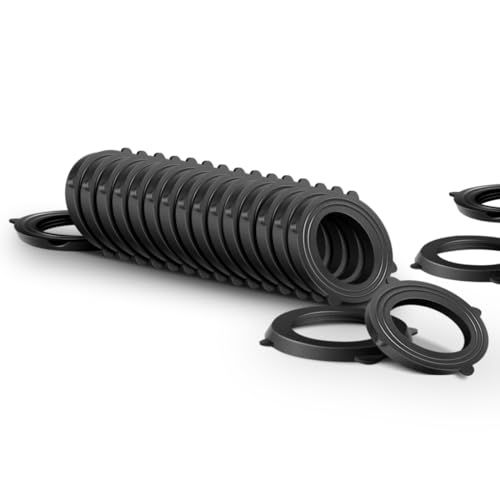
Leaks at the spigot or hose end rob pressure fast. These 3/4-inch garden hose rubber washers restore a tight seal in seconds. They fit standard 3/4 GHT faucets, hoses, and accessories. Pop one in, hand-tighten, and you’re back to full flow without tools.
For pressure washer supply lines, a perfect seal matters. Any air leak can starve the pump and cause cavitation. With this 30-pack, you have backups for a full season. Keep a few in your pocket and a handful in the garage.
Pros:
- Fits all standard 3/4 GHT garden connections
- Stops drips that reduce supply pressure
- Simple, fast install with no tools
- Bulk pack offers great value
- Black rubber grips and seats well
Cons:
- Can compress over time and need replacement
- May fall out when disconnecting if not seated
- Not ideal for very hot water use
My Recommendation
If you use any pressure washer, you need hose washers on hand. A fresh washer can be the difference between a sputter and a steady stream. This 30-pack is a smart stash for anyone juggling multiple hoses and nozzles.
| Best for | Why |
|---|---|
| Fixing leaks fast | Instant seal improves inlet flow |
| Standard 3/4 GHT fittings | Universal size for most faucets and hoses |
| Seasonal maintenance | Bulk pack covers the whole season |
If you debate 5/8 vs 3/4 garden hose for pressure washer use, start with seals. A good washer keeps your chosen hose size performing at its best.
Biswing 5/8 to 3/4 Hose Repair Kit, 4-Pack

A blown hose end can end your cleaning day. This Biswing kit repairs 5/8-inch hoses and gives them new 3/4 GHT ends. The set includes both male and female connectors. Stainless steel clamps lock the repair in place.
The aluminum bodies resist rust and hold tight. You can fix two hoses or both ends on one line with the 4-pack. The result is a leak-free connection that can serve as a pressure washer supply line again. It’s a low-cost save that keeps your hose out of the trash.
Pros:
- Designed for 5/8-inch hose ID
- Outputs 3/4 GHT standard threads
- Includes male and female ends
- Stainless clamps resist corrosion
- Quick fix pays for itself
Cons:
- Not compatible with 3/4-inch ID hoses
- Requires a screwdriver or nut driver
- Repair adds a rigid section to the hose
My Recommendation
Use this when a 5/8-inch hose is your only option or your favorite workhorse. The repaired ends will mate with any 3/4 GHT spigot or inlet filter. It’s a practical fix that restores safe flow for a small budget.
| Best for | Why |
|---|---|
| Reviving 5/8-inch hoses | Saves hoses with damaged ends |
| Standard garden taps | 3/4 GHT threads match faucets and filters |
| Quick field repairs | Fast, tool-light install on site |
When weighing 5/8 vs 3/4 garden hose for pressure washer feed, this kit gives your 5/8 hose new life without changing your setup.
32-Pack Heavy Duty 3/4 Inch Hose Washers

Heavy-duty washers handle more cycles and more torque. This 32-pack fits 3/4-inch garden hose threads. The rubber formulation is firm yet compliant. It gives a reliable seal under typical home water pressure.
Use them at spigots, inlet filters, and hose-to-hose unions. A stiffer washer helps when surfaces are worn or slightly rough. If you twist fittings on and off a lot, this pack lasts longer. It’s a simple upgrade for leak-free operation.
Pros:
- Heavy-duty rubber resists deformation
- Works with all 3/4 GHT connections
- Great for frequent connect/disconnect use
- Strong value in a 32-pack
- Boosts supply stability for pumps
Cons:
- Firmer washers may need more hand torque
- Not designed for extreme hot water
- Can be over-tightened and pinch
My Recommendation
Choose this pack if you connect hoses daily or run a busy driveway wash routine. It shines for pressure washer users who demand a consistent seal. You’ll lose fewer washers to crushing or tearing.
| Best for | Why |
|---|---|
| Heavy use | Firmer rubber lasts longer |
| Old fittings | Better seal on worn surfaces |
| Stocking the garage | Bulk pack covers multiple hoses |
In the 5/8 vs 3/4 garden hose for pressure washer debate, these washers support either size and keep your flow steady.
TRONWIRE 5/8 Inch Hose Washers, 10-Pack

These 5/8-inch hose washers are a snug fit for many standard garden connections. The size refers to the inner opening, which suits 3/4 GHT male ends. The rubber has a smooth face for even sealing. It works well with nozzles, splitters, and inlet filters.
Ten pieces are perfect for small kits and glove boxes. If you only need a few backups, this avoids buying a massive pack. It’s an easy pick for a pressure washer tote. Keep them close for quick leak fixes.
Pros:
- Fits standard garden hose equipment
- Balanced softness for a sure seal
- Compact 10-pack suits small kits
- Affordable must-have spares
- Improves pump feed reliability
Cons:
- Fewer pieces than larger packs
- May need replacement after heavy torque
- Can slip if not seated flat
My Recommendation
Pick this 10-pack if you want a light, portable supply of washers. It’s ideal for a mobile detail setup or a small garage. You get enough to cover common leak points without clutter.
| Best for | Why |
|---|---|
| Small kits | Ten pieces are easy to store |
| Nozzle swaps | Quick fixes for minor drips |
| Backup supply | Budget-friendly spare set |
If you are testing 5/8 vs 3/4 garden hose for pressure washer flow, these little seals keep your tests fair and your pump happy.
DBR Tech Metal Hose Repair Kit, 5/8 & 3/4

This DBR Tech kit covers both 5/8-inch and 3/4-inch hoses. The heavy-duty metal bodies deliver leak-proof repairs. You get male and female ends to rebuild either side. It’s a professional-grade fix that stands up to daily use.
If you own multiple hoses, this set is smart. It handles the mixed sizes you see around the home and shop. The hardware resists corrosion and holds firm. It returns cracked ends to service fast.
Pros:
- Works with 5/8-inch and 3/4-inch hoses
- Metal construction for long life
- Male and female ends included
- Leak-proof when tightened properly
- Great for mixed-fleet hose collections
Cons:
- Heavier than plastic or nylon repairs
- Higher price than single-size kits
- Needs tools and care to install square
My Recommendation
If you run both sizes of hose, buy this first. It saves you from guessing or buying two kits. For pressure washer users, robust ends reduce suction leaks and keep pumps fed.
| Best for | Why |
|---|---|
| Mixed hose sizes | Supports 5/8 and 3/4 repairs |
| Daily users | Metal body outlasts plastic |
| Leak-prone ends | Secure clamps and tight seal |
It levels the field in the 5/8 vs 3/4 garden hose for pressure washer conversation by making either size dependable again.
BluShield 3/4 Inlet Hose, 15 ft

The inlet hose matters more than many think. This 3/4-inch BluShield supply hose feeds your pressure washer with less restriction. Short length reduces friction loss even more. The result is steady flow to the pump inlet.
It uses standard GHT fittings, so install is easy. The outer jacket resists kinks and abrasion. It handles normal house pressure with room to spare. This is a clear upgrade over narrow lines when you run higher GPM units.
Pros:
- 3/4-inch ID reduces friction loss
- Short 15 ft length limits pressure drop
- Kink and abrasion resistant design
- Standard 3/4 GHT fittings on both ends
- Ideal for 2.5–4.0 GPM machines
Cons:
- Bulkier than 5/8-inch hoses
- Heavier to handle around tight corners
- Higher cost than basic garden hoses
My Recommendation
Choose this if your washer surges or screams at startup. A 3/4-inch, 15-foot inlet gives most pumps the feed they crave. It is the simplest way to prevent starvation and boost performance.
| Best for | Why |
|---|---|
| High GPM units | Big bore hose keeps flow high |
| Short runs | 15 ft minimizes friction loss |
| Pump protection | Reduces cavitation risk |
In the 5/8 vs 3/4 garden hose for pressure washer comparison, this 3/4 inlet hose is the right move for serious cleaning and stable supply.
BluShield 3/4 Inlet Hose, 25 ft
Need more reach to hit the tap? This 25-foot 3/4-inch BluShield hose balances length and flow. The larger diameter offsets the extra feet. Your pump gets the water it needs without starving.
It is a reliable choice for driveways or boats where the faucet sits far away. Tough outer skin shrugs off yard abuse. The 3/4 GHT fittings make swaps and storage easy. It’s a practical, pro-grade inlet hose.
Pros:
- 3/4-inch ID for reduced friction loss
- Extra reach without crippling the flow
- Durable, kink-resistant jacket
- Standard GHT fittings install fast
- Great for larger jobs or odd tap locations
Cons:
- Heavier coil than shorter hoses
- More storage space required
- Costs more than 5/8-inch lines
My Recommendation
Go 25 feet when you must reach a distant faucet. The 3/4-inch ID protects flow on longer runs. It’s the right match for washers that drink 3.0 GPM or more.
| Best for | Why |
|---|---|
| Longer reach | 25 ft covers awkward tap spots |
| High-demand pumps | Big bore minimizes pressure drop |
| Outdoor abuse | Rugged jacket resists kinks and scuffs |
If you juggle 5/8 vs 3/4 garden hose for pressure washer jobs, this hose tips the scale for longer distances with less compromise.
40-Pack 3/4 Inch Hose Washers, Red
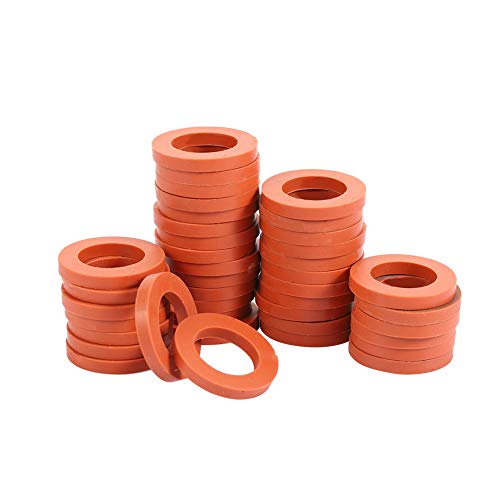
Bright red washers are easy to spot in the toolbox. This 40-pack fits standard 3/4 GHT connections. The rubber seats well and seals drips fast. Color coding helps you find and replace them quickly.
I like these for shared shops or crews. Everyone knows what to grab when a leak appears. With 40 pieces, you won’t run out mid-season. They keep your inlet and garden splits tight and tidy.
Pros:
- High-visibility red color
- Fits standard garden hose threads
- Large 40-pack saves repeat orders
- Quick way to stop drips
- Great for team tools and loaners
Cons:
- Soft rubber may compress faster
- Color may fade under sun
- Bulk pack is more than some need
My Recommendation
Perfect for households with many hoses and users. The color and quantity reduce downtime. It’s a simple, smart way to keep every connection sealed.
| Best for | Why |
|---|---|
| Shared workspaces | Easy to see and manage |
| Multiple hoses | Enough washers for all spigots |
| Quick maintenance | Instant drip-stopping spares |
When comparing 5/8 vs 3/4 garden hose for pressure washer setups, these washers make either size seal well and perform right.
Danco 5/8 Inch Hose Washers, 20-Pack

Danco is a well-known plumbing name. This 20-pack of 5/8-inch hose washers offers consistent quality. The size suits the opening on standard 3/4 GHT male ends. You get reliable sealing for faucets, splitters, and accessories.
The red color helps you see the washer during install. That reduces misalignment and half-seated leaks. It’s a good mid-size pack for home and light commercial use. Simple, effective, and trusted by many pros.
Pros:
- Trusted brand for plumbing parts
- Fits standard garden hose hardware
- 20-pack is a good middle ground
- Easy-to-see red color for alignment
- Stable seal for inlet feed lines
Cons:
- Red dye may stain gloves slightly
- Some users prefer firmer rubber
- Not for high-heat water sources
My Recommendation
Pick this pack if you want a known brand and steady results. It’s great for homeowners who swap attachments often. Keep this pack in a drawer near the hose reel.
| Best for | Why |
|---|---|
| Everyday home use | Balanced quantity and value |
| Attachment swaps | Fast seal for nozzles and splitters |
| Brand trust | Consistent quality washers |
As you compare 5/8 vs 3/4 garden hose for pressure washer supply, a good washer like this protects the pump from air leaks.
Sellerocity 3/4 GHT to 3/8 NPT Inlet Adapter
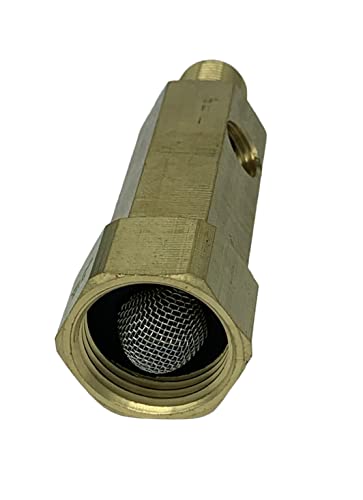
This brass adapter lets a 3/4 GHT garden hose feed a pump with 3/8 NPT inlet. It includes a filter screen to catch debris. The bypass port offers extra routing options for some setups. It is a tidy way to bridge hose and pump threads.
Thread standards matter. Garden hose thread is straight. NPT is tapered. This adapter handles the change. Use thread seal tape on NPT for a tight seal. It is a small part that solves a big connection problem.
Pros:
- Converts 3/4 GHT to 3/8 NPT
- Built-in filter screen protects the pump
- Brass body resists corrosion
- Bypass port adds flexibility
- Clean, compact design
Cons:
- Needs seal tape on NPT side
- Not for metric threads
- Filter needs periodic cleaning
My Recommendation
Get this if your pressure washer inlet is NPT. It lets you use common garden hoses for supply. The filter adds protection on gritty water or old pipes.
| Best for | Why |
|---|---|
| Pump inlets with NPT | Bridges GHT hose to NPT port |
| Dirty water sources | Screen catches debris |
| Custom plumbing | Bypass port expands options |
It supports any choice in the 5/8 vs 3/4 garden hose for pressure washer debate by making connection simple and safe.
Why Hose Diameter Matters: 5/8 vs 3/4 for Pressure Washers
I want to pause and tackle the core question. It affects everything in this guide. Diameter controls flow and friction loss. Flow feeds your pump. Less friction loss, more stable pressure at the inlet.
A 5/8-inch hose is common at home. It is fine for short runs and light-duty units. Think 1.8–2.5 GPM electric or small gas washers. Keep it under 25–50 feet when possible.
A 3/4-inch hose shines when your washer draws more water. It also helps when the faucet is far away. Think 2.5–4.0 GPM units and longer runs. The larger bore reduces pressure drop a lot.
As a rule of thumb: short and small jobs can use 5/8. Bigger jobs or higher GPM should use 3/4. Always avoid kinks and crushed fittings. Keep the inlet path wide and short.
How I Test 5/8 vs 3/4 Garden Hose for Pressure Washer Use
I use three simple checks. First, I time how long a 5-gallon bucket fills. That shows the tap’s true GPM. Second, I listen for pump whine. Starvation makes a sharp, rough sound. Third, I watch the spray pattern for pulsing.
If I see pulsing or hear whine, I shorten the hose or step up to 3/4-inch. I also inspect all washers. I replace any that look crushed, cracked, or missing. A tight seal is a must. These easy steps solve most problems fast.
FAQs Of 5/8 vs 3/4 garden hose for pressure washer
Which is better for most homes, 5/8 or 3/4?
For short runs and 2.0–2.5 GPM units, 5/8 is fine. For higher GPM or long runs, pick 3/4.
Will a 3/4 hose increase my pressure?
It won’t raise pump pressure. It reduces inlet restriction, which helps maintain steady flow and performance.
How long can a 5/8 hose be for a pressure washer?
Keep it as short as you can. Under 25–50 feet is best for stable flow on typical residential units.
Do I need special threads for a pressure washer inlet?
Most garden taps and hoses use 3/4 GHT. Some pumps use NPT. Use an adapter if needed.
Can bad washers cause pump damage?
Yes. Air leaks at the inlet can cause cavitation. Replace worn washers to protect your pump.
Final Verdict: Which Should You Buy?
Use 5/8 for short runs and light-duty units. It’s easy to handle and fits most homes. Keep lengths short and seals fresh.
Pick 3/4 when flow demand rises or distance grows. It cuts friction loss and keeps pumps happy. For 5/8 vs 3/4 garden hose for pressure washer setups, let your GPM and hose length decide.


