What Part Of A Chainsaw Chain Does The Cutting: Quick Guide
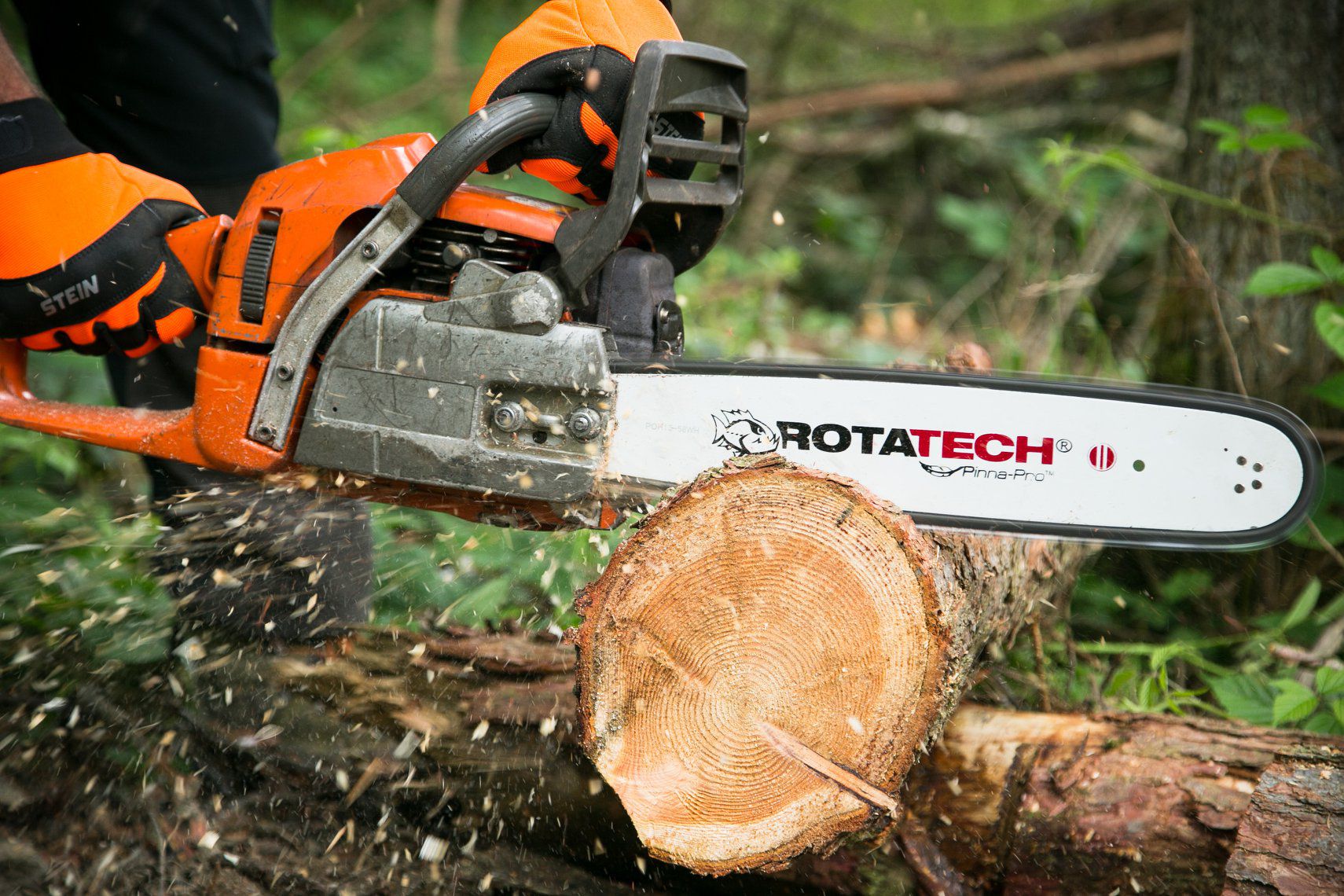
The top plate cutting corner of each cutter tooth does the cutting.
If you have ever wondered what part of a chainsaw chain does the cutting, you are in the right place. I have sharpened, tuned, and worn out more chains than I can count. In this guide, I will show you, in plain words, exactly what part of a chainsaw chain does the cutting, how it works, and how to keep it sharp and safe for smoother cuts and longer life.

How a Chainsaw Chain Works
A chainsaw chain is a loop of cutters, tie straps, and drive links held by rivets. The engine spins the chain around the bar. Each cutter scrapes and lifts wood fibers to make a kerf.
Many people ask what part of a chainsaw chain does the cutting. The answer is the tiny cutting corner on each cutter tooth. But the rest of the links guide, space, and feed the cut so the corner can do its job.
When I train new users, I compare it to a line of tiny hand planes. Each pass removes a small chip. The sum makes the cut feel fast and clean.

The Cutter Tooth: Anatomy and Action
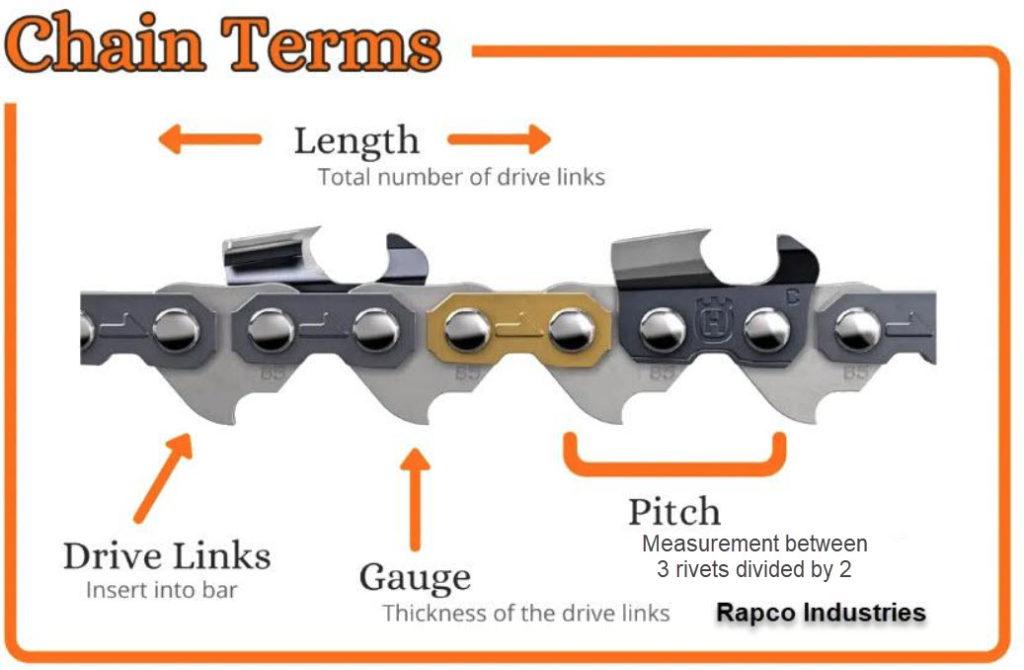
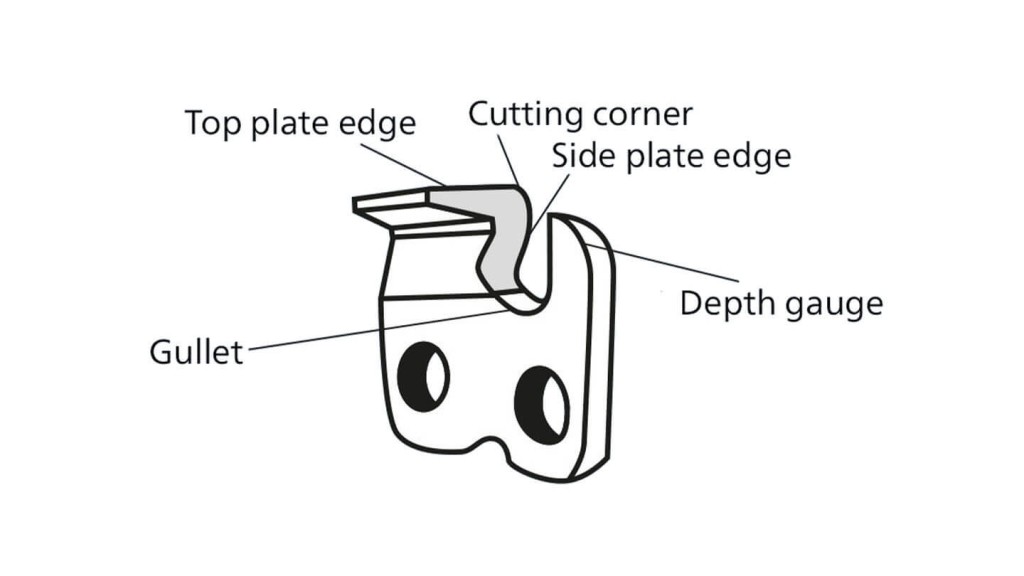
A cutter tooth has a top plate, a side plate, and a sharp corner where they meet. That corner is what part of a chainsaw chain does the cutting in real time. The top plate slides over the wood, while the side plate forms the edge.
The chip forms as the depth gauge sets the bite, and the cutting corner shears the fiber. If that corner gets dull, rounded, or chipped, cut speed drops. You will push harder, make more heat, and risk kickback.
In the field, I can tell a sharp corner by the way it pulls. A sharp chain feeds with light pressure and throws firm, long chips, not dust.
What Part of a Chainsaw Chain Does the Cutting?
What part of a chainsaw chain does the cutting is the top plate cutting corner at the front of each cutter. It is a small point, but it takes on the full job of shearing wood. Every other part only helps.
The depth gauge, also called the raker, does not cut. It only sets how deep the corner can bite on each pass. Standard depth is about 0.025 inches for most chains, though some work well at 0.020 inches in frozen or dirty wood.
Here is the rule I teach: protect the corner, set the depth, and keep the angles true. Do that and the saw will sing.
Depth Gauges (Rakers): They Control, Not Cut
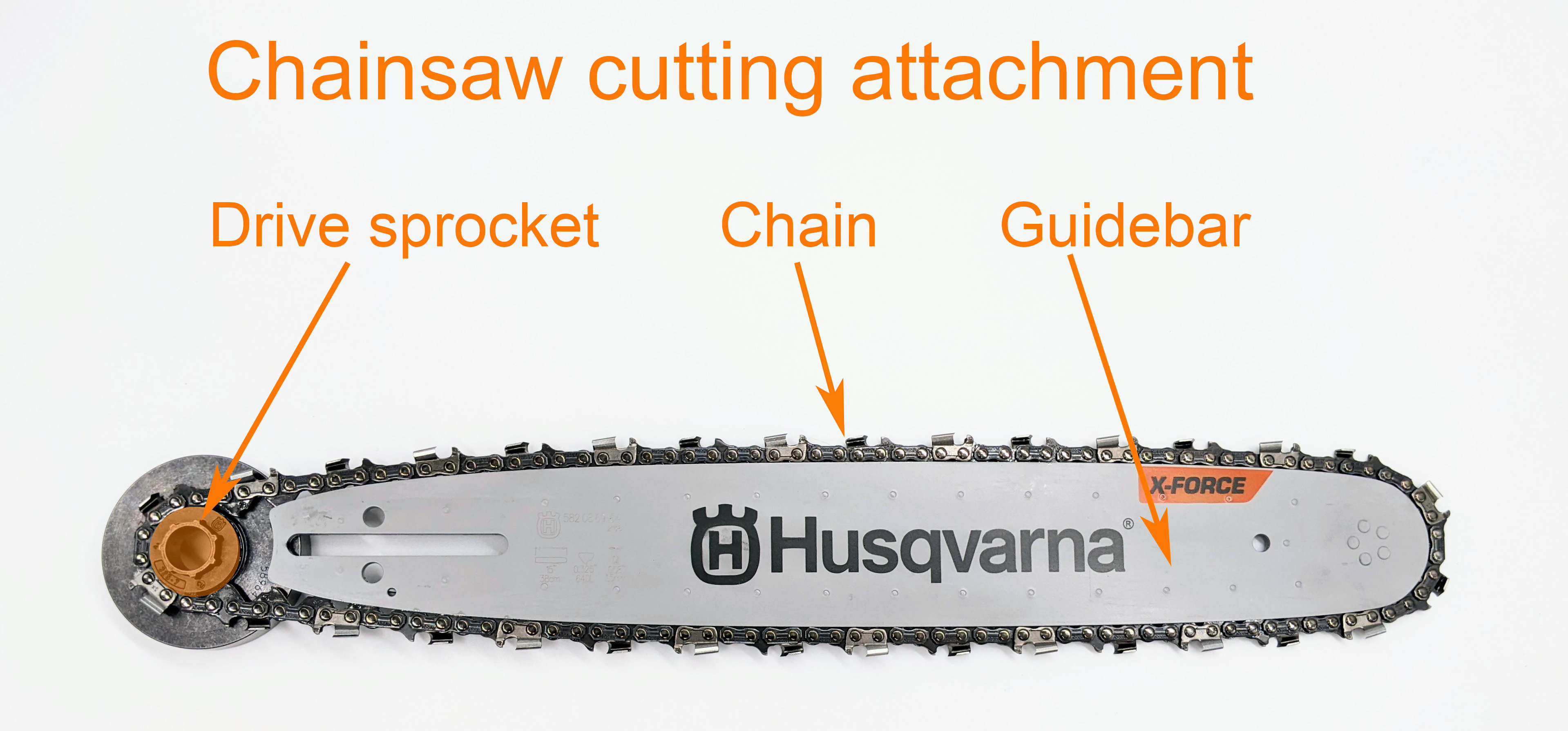
Depth gauges ride ahead of the cutter and set chip thickness. Too high, and the chain dusts the wood and feels slow. Too low, and the saw chatters, grabs, and may kick more.
When folks ask what part of a chainsaw chain does the cutting, they often point to the raker. It is a common mix-up. The raker only meters the bite so the cutting corner can shear clean.
I use a simple depth tool and a flat file. A few light strokes keep the cut smooth and safe, with less strain on the saw.
Angles, File Size, and Sharpness
Sharpness lives in the cutting corner. That is still what part of a chainsaw chain does the cutting. File wrong, and you lose the corner fast.
Key angles for many chains are simple to learn:
- Top plate angle: often 25 to 35 degrees.
- Side plate (hook): keep a crisp, sharp corner, not a beak.
- File tilt: some chains want 5 to 10 degrees down angle.
Pick the right round file size for your chain pitch:
- 1/4 inch and low-profile 3/8 inch: 5/32 inch file.
- .325 inch: 3/16 inch file.
- 3/8 inch standard: 7/32 inch file.
- .404 inch: 7/32 inch or 13/64 inch, per the maker.
Use light, even strokes. Keep the file high enough to shape a sharp corner. If you ask again what part of a chainsaw chain does the cutting, this step is where you form and protect that exact point.
Chain Types and When to Use Them
Full chisel chains have a sharp, square corner that cuts very fast in clean, soft wood. Semi chisel chains have a more rounded corner that holds up better in dirty or frozen wood.
Low-kickback chains use guard links and shallow depth to tame the nose area. They slow the bite but raise safety. Many home users find them a smart fit.
When you debate what part of a chainsaw chain does the cutting across types, the answer stays the same. It is always the cutting corner. What changes is the shape of that corner and how it holds up in rough work.

Common Problems and Fixes
If the saw cuts in a curve, one side has dull or shorter cutters. Match length and sharpness on both sides. Light, even passes fix most pulls.
If it burns or smokes, the chain is dull or dry. Sharpen the corner, check bar oil flow, and clear the oil port. If you keep asking what part of a chainsaw chain does the cutting when smoke shows, it is a clue the corner has gone round.
If it stalls in the cut, depth gauges may be too low. Raise them back with a gauge tool. Your wrists and clutch will thank you.

Care, Safety, and Longevity
Clean the chain, bar groove, and oil holes. Keep the chain tension snug but free to pull by hand. Flip the bar each sharpen to even the wear.
Use fresh bar oil and keep the chain out of dirt. One touch in soil can dull the corner at once. That is the heart of what part of a chainsaw chain does the cutting, so guard it.
Wear eye, ear, hand, and leg protection. Read the maker’s manual for your model. A sharp corner in trained hands is fast and safe.
Frequently Asked Questions of what part of a chainsaw chain does the cutting
What exactly is the cutting corner on a chainsaw chain?
It is the point where the top plate and side plate meet on each cutter. That sharp point shears the wood fiber and makes the chip.
Do depth gauges (rakers) cut wood?
No. Depth gauges set how deep the cutter can bite into wood. They control chip size but do not cut.
How often should I sharpen the cutters?
Sharpen at the first sign of dust, smoke, or extra push. Light, frequent touch-ups keep the cutting corner crisp and extend chain life.
Why does my saw pull to one side?
One row of cutters is shorter or duller than the other. Match the length and angle on both sides to bring the cut back to straight.
Which chain type cuts fastest?
Full chisel cuts fastest in clean wood due to a sharp, square cutting corner. Semi chisel is slower but holds an edge longer in dirty or frozen wood.
What file size should I use for my chain?
Match the file to the chain pitch. Common sizes are 5/32 inch for low-profile, 3/16 inch for .325, and 7/32 inch for 3/8 standard.
How deep should I set the depth gauges?
Most chains run well at about 0.025 inches. In hard or frozen wood, 0.020 inches can smooth the cut and reduce chatter.
Conclusion
The key to fast, safe cuts is simple: the cutting corner on each tooth is what part of a chainsaw chain does the cutting, and every step you take should protect that edge. Choose the right chain, set the depth, and file the angles so the corner stays sharp and true.
Put this guide to work on your next tune-up. Sharpen with care, test your cut, and feel the saw do the work. If this helped, subscribe for more hands-on tips, share your results, or drop a comment with your toughest chain question.