
How To Prune Garden Plants Correctly: 2026 Pro Guide
Cut dead, damaged, and crossing growth; time cuts by plant type and season.
If you want a garden that grows strong, blooms hard, and looks clean, pruning is your best tool. In this guide, I will show you how to prune garden plants correctly with clear steps, pro tips, and tried methods. I have pruned thousands of shrubs, trees, and roses, and I will share what works, what fails, and how to avoid common mistakes. You will learn when to prune, where to cut, and why the timing matters so much.

Why Pruning Matters and Core Principles
Pruning guides growth. It shapes plants, boosts blooms, and cuts disease risk. Done well, it gives light, air, and balance. Done wrong, it shocks plants and invites pests.
To learn how to prune garden plants correctly, start with simple rules. Remove dead, diseased, or damaged wood first. Cut to strong buds or branches. Keep the plant’s natural shape in mind. Avoid heavy cuts all at once, as that can stress the plant.
Think in goals. Are you after flowers, fruit, or form? Your goal tells you when and how to cut. This is the heart of how to prune garden plants correctly.

Tools You Need and How to Use Them
Good tools make clean cuts and speed the work. Clean cuts heal faster and cut the risk of disease.
- Bypass hand pruners for live stems up to finger width. They slice, not crush.
- Loppers for thicker stems. They add reach and force.
- A curved pruning saw for branches over 1 inch.
- Long-handled hedge shears for shearing hedges, not for woody stems.
- A sharp knife for light shaping on soft growth.
- Rubbing alcohol or a 10% bleach solution for cleaning blades.
Keep tools sharp and clean. Wipe blades between plants, or after cuts on diseased wood. This habit is key to how to prune garden plants correctly because it stops the spread of problems.
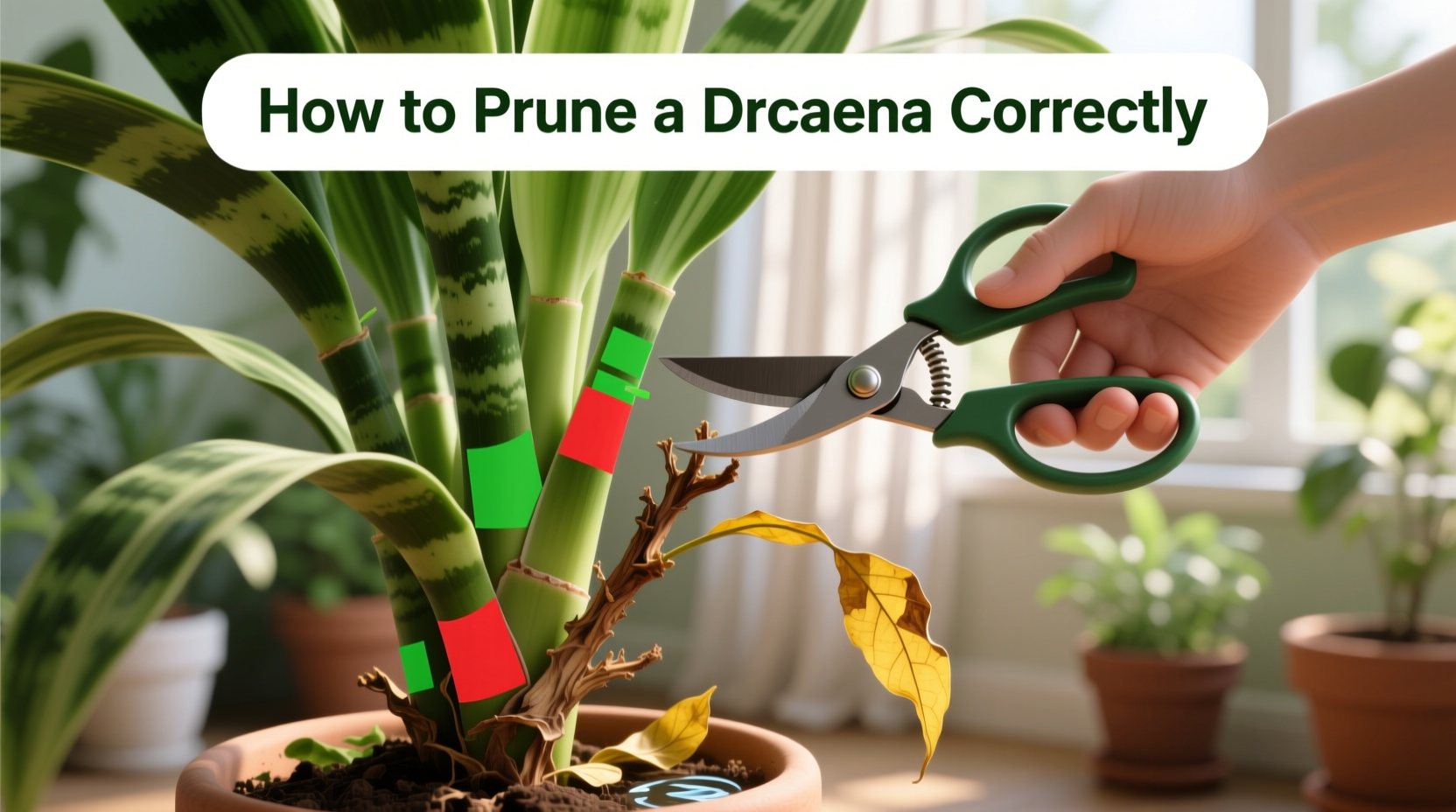
Timing: When to Prune Different Plants
Right timing sets you up for success. Wrong timing can cut off next year’s blooms. The best time depends on how the plant grows and flowers.
- Spring bloomers on old wood. Prune just after they flower. Think lilac, forsythia, azalea.
- Summer bloomers on new wood. Prune in late winter or very early spring. Think roses, crape myrtle, panicle hydrangea.
- Fruit trees. Late winter while dormant for structure, then light summer touch-ups.
- Evergreen shrubs. Late winter for shaping; light trims in late spring.
- Perennials and grasses. Cut back in late winter or early spring. Some can be deadheaded in summer.
Know your hardiness zone. Cold snaps change timing. Check local guidance and watch bud swell. If you want to learn how to prune garden plants correctly, match the cut to the plant’s growth cycle.

Cut Types and Where to Cut
Where you cut tells the plant how to grow next. Use these standard cuts with care.
- Heading cut. Shortens a branch back to a bud. Tips grow and fill in. Use for shaping.
- Thinning cut. Removes a branch at its base or at a larger branch. Opens the plant and keeps form.
- Reduction cut. Shortens to a side branch that is at least one third as thick. Lowers height without topping.
Always cut just above an outward-facing bud at a slight angle. Do not leave stubs. Do not make flush cuts that remove the branch collar. This is central to how to prune garden plants correctly because it helps quick healing and clean form.
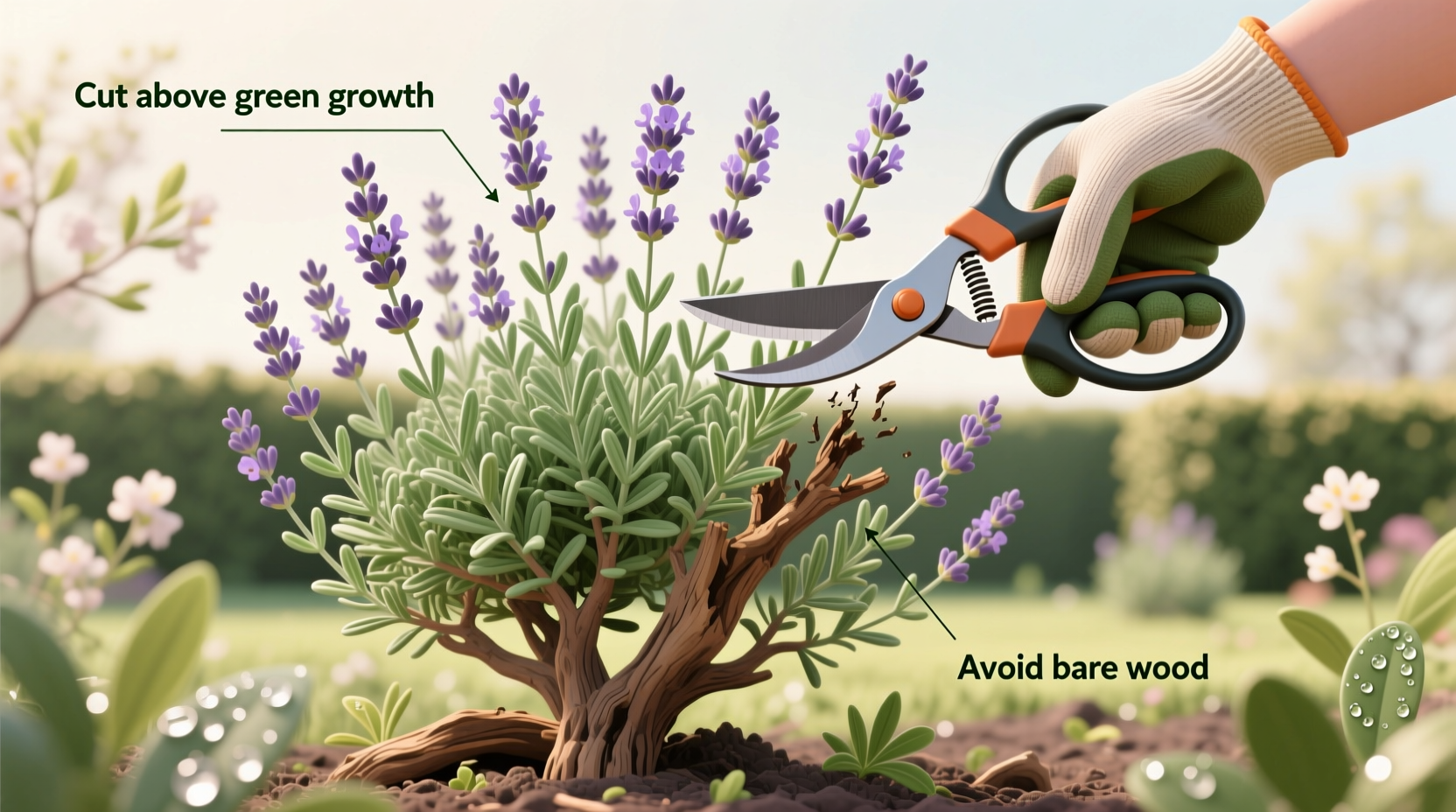
Step-by-Step: By Plant Type
Follow these simple steps for common groups. I add notes from field work and lessons learned.
Shrubs
- Identify the oldest stems. Remove up to one third at ground level to renew.
- Thin crossing or inward stems to open the center.
- Head back long shoots to outward buds to keep shape.
Pro tip: On overgrown shrubs, renew over three years. This slow plan is how to prune garden plants correctly without shock.
Small Trees
- Pick a strong leader. Remove co-dominant stems early.
- Space scaffold branches 12 to 18 inches apart up the trunk.
- Use reduction cuts to clear walks and roofs instead of topping.
Pro tip: Avoid lion-tailing, which strips inner branches. Keep green growth near the trunk.
Roses
- Hybrid teas and floribundas. Late winter, remove dead wood, then cut to 3 to 5 strong canes, 12 to 18 inches tall.
- Shrub roses. Thin weak wood and reduce height by one third.
- Climbing roses. Tie long canes sideways, then prune side shoots to 2 to 5 buds.
Pro tip: Wear gloves with grip. Clean pruners between plants.
Vines
- Spring-blooming clematis. Prune after bloom.
- Summer-blooming clematis. Cut hard in late winter to 12 inches.
- Wisteria. Cut in summer to 6-inch spurs; tidy in winter.
Pro tip: Train first, then prune. Vines respond best when they have support.
Perennials and Grasses
- Cut back dead stems in late winter. Leave 8 to 12 inches on hollow stems for bees.
- Deadhead to push more blooms on many species.
- Divide clumps if crowded and replant strong pieces.
Pro tip: Keep a bucket at hand. Quick cleanup helps you see form.
This step-by-step plan shows how to prune garden plants correctly across many types without guesswork.

Seasonal Pruning Checklist
A simple checklist keeps you on track and avoids missed blooms.
- Late winter. Shape trees and summer bloomers. Renew old shrub stems. Sharpen and clean tools.
- Spring. Tidy spring bloomers after flowers fade. Pinch leggy annuals.
- Summer. Deadhead spent blooms. Light trim on hedges. Check for pests on cut sites.
- Fall. Minimal cuts only. Remove hazards or dead wood. Mark plants for winter work.
If you follow a checklist, you will learn how to prune garden plants correctly and on time. That rhythm builds skill fast.
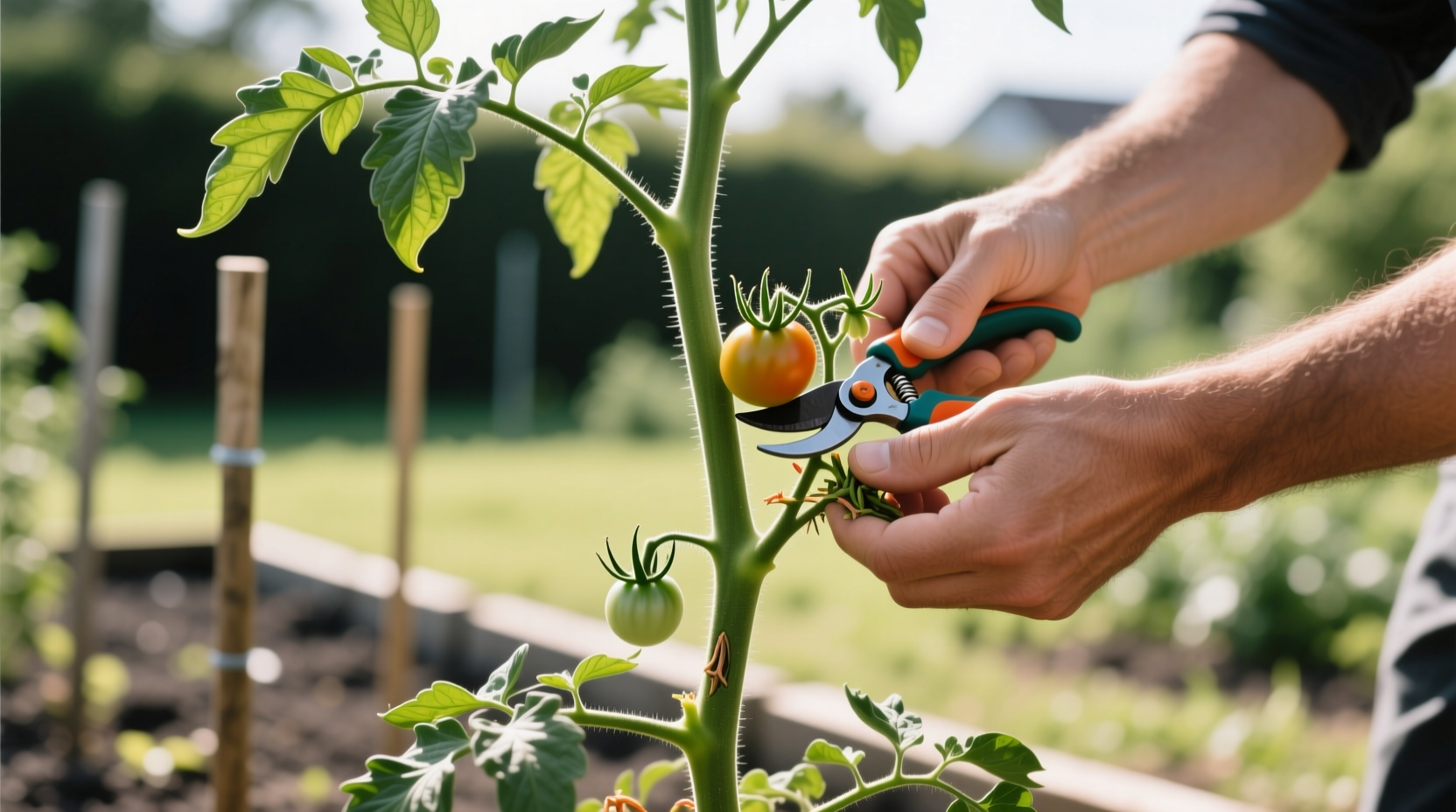
Common Mistakes and How to Fix Them
Even pros slip. Fixes are simple if you act soon.
- Topping trees. This sparks weak shoots. Use reduction cuts to a side branch instead.
- Cutting too late on spring bloomers. If buds are gone, wait until after next bloom.
- Leaving stubs. Recut to the branch collar. Sealers are not needed on most cuts.
- Over-pruning. If you took too much, water well and add mulch. Hold off on fertilizer.
The more you practice how to prune garden plants correctly, the fewer of these you will face.

Safety, Hygiene, and Disposal
Your safety matters as much as the cut. Set up your space before you start.
- Wear gloves, eye protection, and sturdy shoes.
- Work from stable ground. Do not reach from a ladder alone.
- Disinfect tools after diseased cuts. Bag and trash diseased debris.
- Chip or compost healthy wood. Leaves can mulch beds.
Clean work and safe habits are part of how to prune garden plants correctly. They also keep your yard tidy and your tools ready.
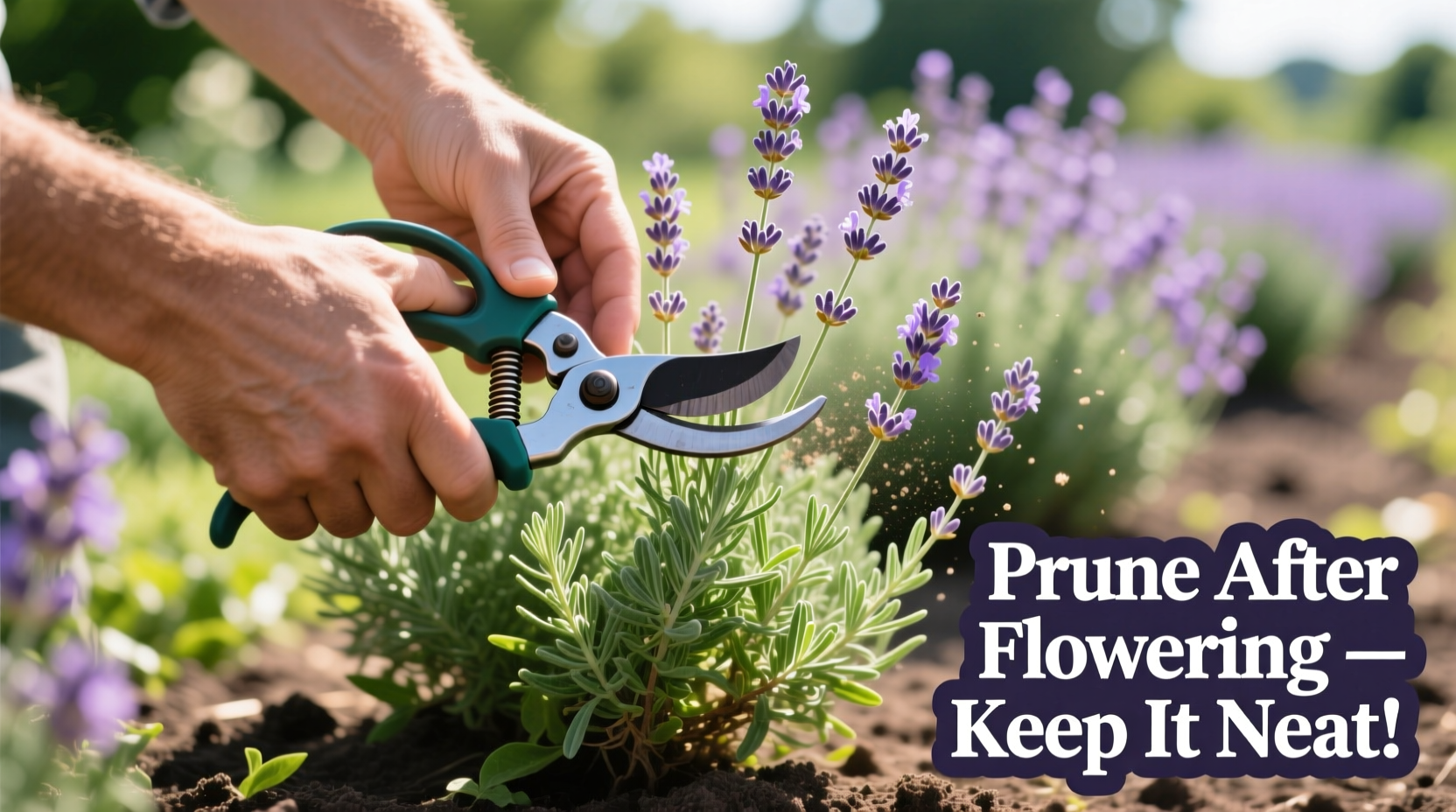
Troubleshooting: Signs You Pruned Right or Wrong
Plants talk with their growth. Learn to read the signs.
- Right signs. Even flush of new growth, more blooms, no dieback, clean shape.
- Warning signs. Wilting tips, oozing cuts, repeat suckers, sunscald on trunks.
- Quick fixes. Shade exposed bark with a wrap, water deeply, and review cut angles.
Note your results in a garden journal. Over time, you will master how to prune garden plants correctly in your own climate.
Frequently Asked Questions of how to prune garden plants correctly
How often should I prune most garden plants?
Most shrubs and trees need light pruning once a year. Do renewal cuts on old wood every one to three years.
Do I need to seal pruning cuts with paint?
No, most research shows sealing is not needed. Clean, proper cuts heal best when left open to air.
Can I prune in fall?
Limit fall cuts to dead or risky branches. Heavy fall pruning can spark tender growth that winter can harm.
How do I know which bud to cut above?
Pick an outward-facing bud to guide growth away from the center. Cut just above it at a slight angle.
How can I avoid cutting off next year’s blooms?
Know if your plant flowers on old or new wood. Prune spring bloomers right after flowering and prune summer bloomers in late winter.
What is the fastest way to learn how to prune garden plants correctly?
Start small and follow a clear plan on one plant type. Keep notes and repeat the same steps each season.
Conclusion
You now have a clear plan to shape, protect, and renew your plants. Focus on timing, clean cuts, and small, steady steps. That is how to prune garden plants correctly and get strong growth and bold blooms.
Pick one plant this week and try these steps. Share what you see and refine your plan next season. Want more tips like this? Subscribe, ask a question, or leave a comment with your pruning wins.


