What Is The ID Of A Garden Hose: Sizes & Fittings
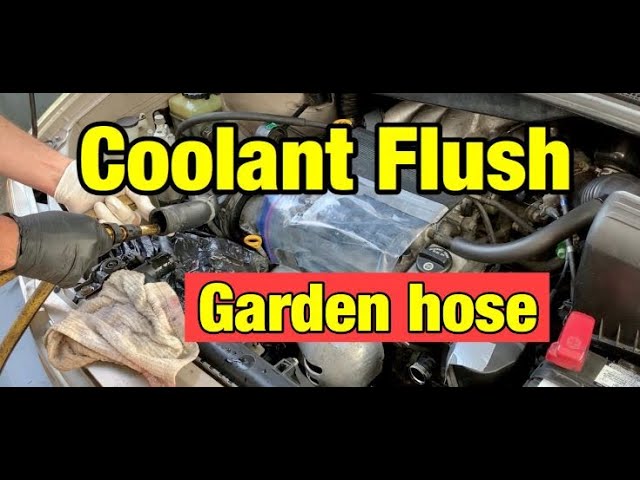
The ID of a garden hose is its inside diameter, commonly 5/8 inch.
Choosing the right hose starts with knowing what is the id of a garden hose and how it affects flow, pressure, and fit. I’ve tested hoses on job sites, gardens, and farms, and I’ll show you how to pick the right size, avoid common mistakes, and get better water performance in minutes.

What does ID mean for a garden hose?
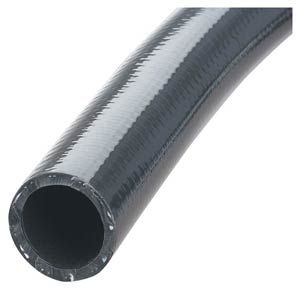
ID stands for inside diameter. It measures the open space inside the hose where water flows. That size controls how much water you can move without a big drop in pressure.
Most home hoses list 1/2 inch, 5/8 inch, or 3/4 inch on the package. That number is the ID, not the outside size or the thread size. If you came here asking what is the id of a garden hose, the short answer is this: it’s the inner width of the hose tube.
A larger ID moves more water at the same pressure. A smaller ID is lighter and easier to handle but can starve sprinklers and pressure washers.

Standard garden hose IDs and when to choose each
Here are the common sizes and how to choose:
- 3/8 inch ID: Spot watering, small reels, short runs. Very light, lowest flow.
- 1/2 inch ID: Patios, balconies, hand watering. Best under 50 feet. Easy to carry.
- 5/8 inch ID: The most common for homes. Good balance of flow and weight. Works for 25–100 feet.
- 3/4 inch ID: High flow for large yards, long runs, or filling tanks. Heavier, often used by pros.
If you are still wondering what is the id of a garden hose you need, match the size to your tools and the hose length you plan to use.
ID vs OD vs thread size (GHT): don’t confuse them
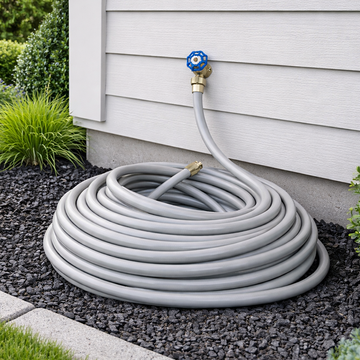
ID is the inside diameter. OD is the outside diameter. They are not the same. Wall thickness changes OD, but water only “sees” the ID.
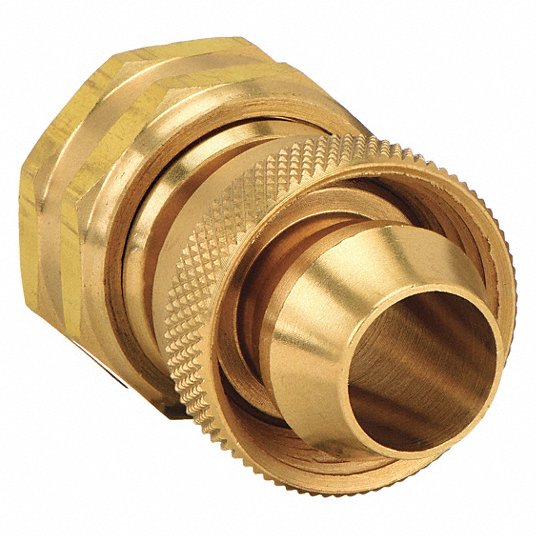
Threads are yet another thing. In the US, garden hoses use 3/4 inch GHT (also called NH) with 11.5 threads per inch. That 3/4 inch thread size is not what is the id of a garden hose. It is the screw-on standard so hoses and spigots fit together.
Avoid mixing GHT with NPT (pipe thread). NPT looks similar but will leak without adapters.
How hose ID affects water flow and pressure
A bigger ID flows more water. Think of two straws: a smoothie straw and a coffee stirrer. The smoothie straw wins with less effort.
Here’s a simple take. Flow rises fast as you increase ID. For the same pressure:
- 5/8 inch can move about 80% more water than 1/2 inch.
- 3/4 inch can move about 60% more than 5/8 inch.
Over long runs, friction in small hoses eats pressure. If your sprinkler dies at 100 feet, the fix is often a larger ID. So when you ask what is the id of a garden hose for high-flow gear, go 5/8 inch or 3/4 inch.

Measuring your hose ID at home
You can check the size without special tools.
- Read the print on the hose jacket. Most list 1/2, 5/8, or 3/4 inch.
- Measure the inside. Remove the fitting and measure the opening across with a ruler or calipers.
- Use a drill bit gauge. Slip smooth drill shanks into the open end to find a snug fit, then read the size.
- Compare to a known coin. A US dime is about 0.705 inch across. If the hose opening is close but smaller, it is likely 5/8 inch.
- Check the package or receipt if you still have it.
These steps answer what is the id of a garden hose you already own in a few minutes.

Compatibility with nozzles, sprinklers, and spigots
Flow-heavy tools need a larger hose ID. Impact sprinklers, large oscillators, and pressure washer feeds work best with 5/8 inch or 3/4 inch. Light spray nozzles and drip kits can be fine on 1/2 inch.
Most outdoor spigots use 3/4 inch GHT. Quick-connects and Y-splitters can choke flow if they have a small bore. When in doubt, pick full-bore fittings to match the hose ID. This matters a lot if you ask what is the id of a garden hose that will feed a soaker or a multi-zone splitter.
Materials, kink resistance, and temperature: impact on ID performance
Hose material does not change the printed ID, but it affects real performance.
- Vinyl or PVC: Light and low cost. More kink-prone. Can flatten and cut flow.
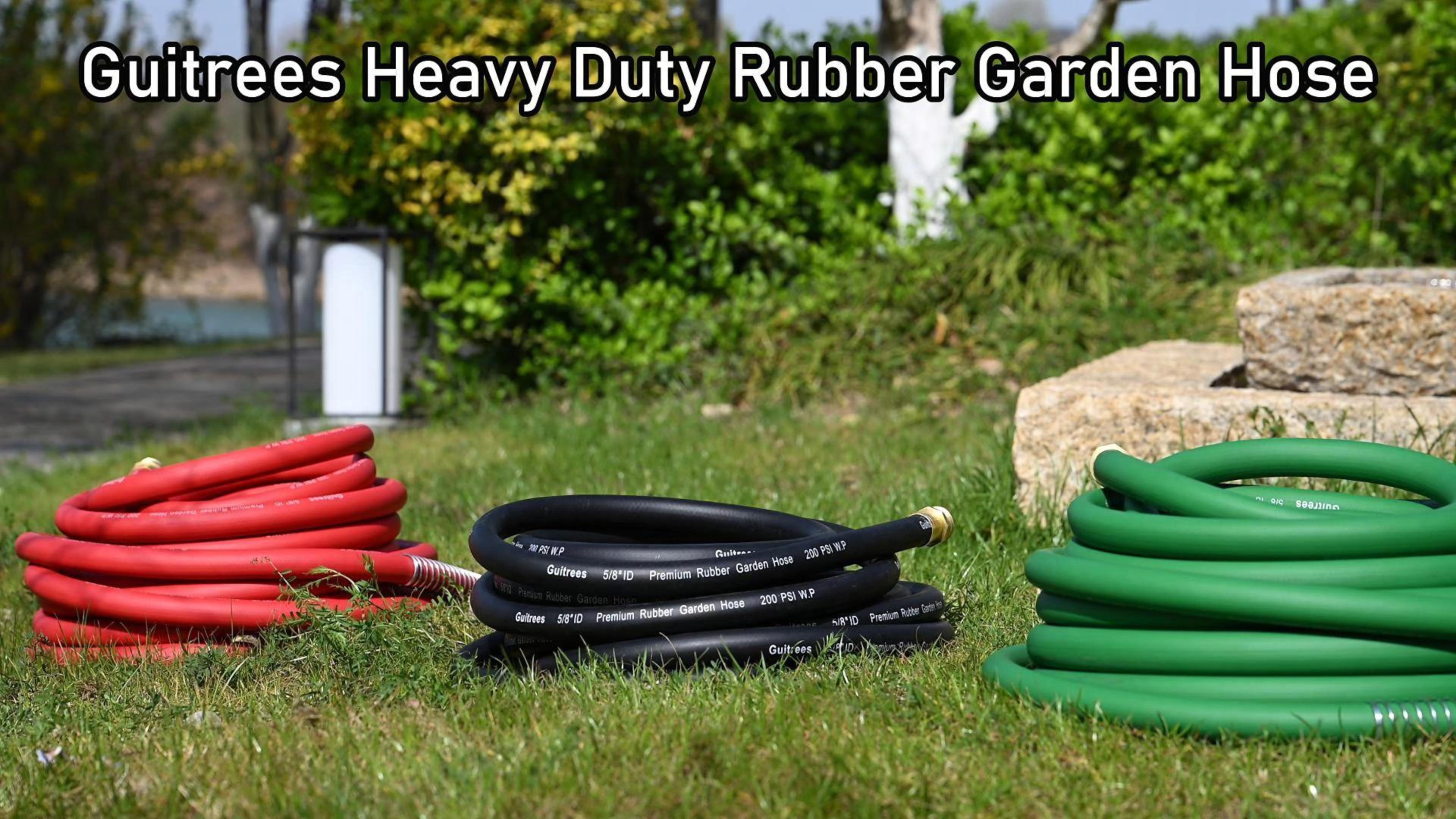
- Rubber: Durable and flexible in cold. Heavier. Keeps its round shape under bends.
- Hybrid or reinforced: Good balance of weight, kink resistance, and strength.
- Drinking-water safe: Uses lead-free fittings and special liners. Flow is the same for the same ID.
Hot water or sun can soften vinyl and increase friction losses. Couplers and internal collars can also reduce the true opening. If you need max flow, choose robust fittings with a smooth, wide bore and know what is the id of a garden hose you’re pairing them with.
Real-world use cases and tips from the field
On a landscape job, we tried to run two impact sprinklers through a 100-foot, 1/2 inch hose. The spray was weak and uneven. Swapping to a 5/8 inch hose fixed it at once.
On farms, I use a 3/4 inch leader hose from the spigot to a splitter, then 5/8 inch to zones. This keeps pressure steadier. If you ever ask what is the id of a garden hose for long runs or filling tanks, err larger and keep lengths modest.
I also learned to avoid narrow quick-connects. A fancy connector with a tiny hole can undo the benefit of a larger ID.

Troubleshooting: weak flow, leaks, and mismatched fittings
If flow is weak:
- Shorten the hose or step up the ID.
- Remove narrow splitters or quick-connects.
- Check kinks, crushed spots, or clogged screens.
If leaks show up:
- Confirm GHT vs NPT. Use the right washer and hand-tighten, then a small extra turn.
- Replace worn washers and fix ovalized ends.
If pressure drops at long runs:
- Use 3/4 inch for the first section. Keep total hose length as short as possible.
- Ask yourself what is the id of a garden hose feeding that tool, then match it to the demand.
Frequently Asked Questions of what is the id of a garden hose
What is the ID of a standard garden hose?
Most home hoses are 5/8 inch ID. Lightweight hoses may be 1/2 inch, and pro hoses often use 3/4 inch.
Is 3/4 inch GHT the same as the hose ID?
No. 3/4 inch GHT refers to the thread standard on the fittings. It does not tell you what is the id of a garden hose.
How do I know what is the id of a garden hose I already own?
Check the size printed on the hose jacket or measure the inside opening. You can also compare with a ruler, calipers, or a drill bit shank.
Which ID should I choose for sprinklers?
Use 5/8 inch for most sprinklers and 3/4 inch for high-flow impact heads or long runs. The larger ID keeps pressure more stable.
Does a larger ID always give more pressure?
It gives more flow at the same pressure and reduces pressure loss over distance. At the nozzle, it often feels like more pressure because less is wasted in the hose.
Will a longer 1/2 inch hose water as well as a shorter 5/8 inch?
Usually not. Longer small hoses lose more pressure to friction, so sprinklers and nozzles underperform.
Can quick-connects reduce the benefit of a larger ID?
Yes. If the internal bore is narrow, it can bottleneck flow. Choose full-bore connectors matched to the hose ID.
What is the id of a garden hose for feeding a pressure washer?
Check your washer manual, but 5/8 inch is common. For long supply runs or low source pressure, 3/4 inch is safer.
Conclusion
The ID of a garden hose is the inside diameter, and it drives flow, pressure, and tool performance. Most homes do best with 5/8 inch, light tasks with 1/2 inch, and high-flow or long runs with 3/4 inch. When in doubt, start by asking what is the id of a garden hose you need for the job, then match fittings and lengths to suit.
Use this guide to size your next hose with confidence. Test your setup, swap narrow fittings, and pick the right ID for steady, strong water. Want more hands-on tips? Subscribe for updates or drop your question in the comments.