
Lesche wins on blade strength and precision; Garrett shines in comfort and value.
You dig into a promising signal, but your plug crumbles or roots fight back. Minutes tick by and you risk scratching a find or scarring a lawn. The right hand digger fixes that. The Lesche vs Garrett digging tool debate comes down to control, speed, and build. I’ve used both for years in parks, fields, and permissions. I’ll break down how they cut, how they feel, and how they last. You’ll see where each brand wins, so you can spend less time fighting dirt and more time pulling good targets.
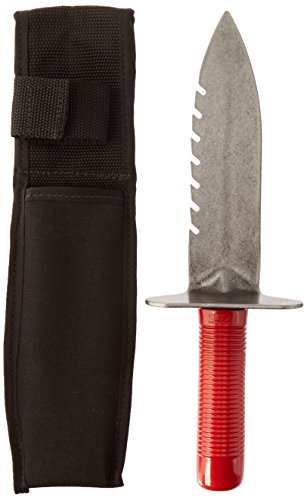
Lesche Digging Tool & Sod Cutter (Left Serrated)

This Lesche digger is a classic for detectorists who want control. The heat-treated blade holds an edge and resists flex. The left-side serrations help if you prefer to cut counterclockwise or undercut roots from that side. The handle gives you a sure grip, even with wet gloves.
The sheath snaps to your belt so the tool stays tight to your hip. This helps you move fast between signals. The Lesche vs Garrett digging tool debate often pivots on blade feel. Lesche feels like a precision knife in soil. It lets you shape tidy plugs that flip clean and protect grass.
Pros:
- Heat-treated steel blade for long service life
- Left serration suits counterclockwise plug cutters
- Excellent plug control for clean, tidy holes
- Secure sheath included for quick carry
- Comfortable grip with solid hand index
- Great root cutting without heavy sawing
Cons:
- Higher price than budget diggers
- Left serration may not fit your cutting style
- Needs basic care to prevent surface rust
My Recommendation
Pick this if you prefer to cut counterclockwise or you often tackle roots from the left. It shines in public lawns where clean plugs matter. In the lesche vs garrett digging tool showdown, this model leans toward precision and fine control. If you like a knife-like digger that cuts where you point it, it fits the bill.
| Best for | Why |
|---|---|
| Clean park plugs | Sharp, rigid blade shapes neat plugs fast |
| Rooty soil | Left serrations slice from the preferred angle |
| Users who cut counterclockwise | Blade orientation supports your motion |
Lesche Digging Tool & Sod Cutter (Right Serrated)
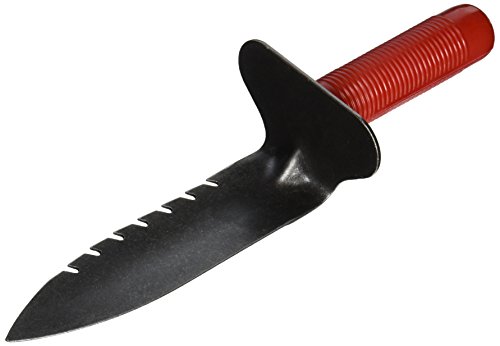
This right-serrated Lesche is the most common choice I see at hunts. If you cut clockwise, it fits your muscle memory. The blade is strong, thin, and stiff, so it slips into compact soil and keeps your plug shape. The point lets you probe and pry with less effort.
In the lesche vs garrett digging tool debate, this model is the benchmark for clean work. It aids low-impact digging, which matters for keeping access to parks and schools. The sheath holds tight to a belt or molle strap. Maintenance is simple: knock dirt off, dry it, and oil lightly.
Pros:
- Right-side serrations suit clockwise cutting
- Rigid blade resists flex in hard ground
- Fine tip for precise probing
- Belt sheath included for fast draw
- Trusted by many club hunters
- Great balance for long sessions
Cons:
- Pricier than entry options
- Right serration not ideal if you cut left-handed
- Can show scuffs if not wiped dry
My Recommendation
Choose this if you cut clockwise and want one digger to do it all. It is the model I suggest for new detectorists who want gear that grows with skill. In the lesche vs garrett digging tool match-up, this right-serrated Lesche wins for plug control and park-safe cuts. It is a safe buy if you value clean work above all.
| Best for | Why |
|---|---|
| Clockwise cutters | Serrations match your natural cut path |
| Public lawns | Low-impact plugs that close clean |
| Hard or compact soils | Stiff blade pries and slices well |
Garrett Edge Digger with Belt Sheath

The Garrett Edge Digger brings comfort and value. The grip is cushioned and shaped to lock into your palm. The serrations bite into roots and the point starts the cut fast. The belt sheath is tough and easy to use in the field.
In the lesche vs garrett digging tool debate, this Garrett feels more forgiving in hand. It is a fine pick if you want a softer grip and a ready-to-go kit. It can take long hunts and varied soil. Give it a quick wipe and light oil to keep it sharp and clean.
Pros:
- Comfortable rubberized handle for long hunts
- Aggressive serrations for quick root cuts
- Solid value price for the performance
- Includes belt sheath for easy carry
- Fast learning curve for new users
- Good balance of weight and strength
Cons:
- Not as precise as a Lesche for tight plugs
- Nylon sheath can wear with heavy abuse
- Needs regular oil to prevent surface rust
My Recommendation
Pick the Edge Digger if you want comfort and value in one. The handle is kind to your hands and the blade works well in mixed terrain. For many, this is a smart first hand digger. In the lesche vs garrett digging tool choice, Garrett wins on comfort and price while still doing the job well.
| Best for | Why |
|---|---|
| New detectorists | Easy to use, low learning curve |
| Long hunts | Cushioned grip reduces hand strain |
| Budget-focused buyers | Strong performance at a fair price |
Garrett Edge Digger + All Terrain Pouch Bundle

This bundle pairs the Edge Digger with a rugged dig pouch. The pouch keeps your finds, trash, and tools sorted. Many models have mesh or drain areas to drop soil and sand. It speeds your process, which means more targets per hour.
In the lesche vs garrett digging tool conversation, bundles add value. This kit helps you stay organized and move faster. The Edge Digger handles the digging. The pouch carries your pinpointer, gloves, and baggies so you can focus on signals.
Pros:
- Complete kit for new and seasoned hunters
- Pouch improves speed and workflow
- Good value compared to buying separate
- Comfortable handle on the digger
- Room for pinpointer and small tools
- Keeps trash separate from finds
Cons:
- Costs more than the digger alone
- Pouch fabric can show wear with heavy use
- Belt fit varies; may need adjustment
My Recommendation
Choose the bundle if you want to be field-ready on day one. It is ideal for those who hunt often and need to carry more. The time saved by a good pouch adds up fast. In the lesche vs garrett digging tool decision, Garrett’s bundle gives you a smart, organized setup at a fair price.
| Best for | Why |
|---|---|
| Starter kit buyers | All key items in one box |
| Beach and field hunters | Pouch drains and carries gear well |
| Workflow-focused users | Less fumbling, more targets per hour |
Lesche 31-inch T-Handle Shovel (Double Serrated)

This Lesche shovel is for deeper targets and tough ground. The T-handle gives leverage without wrist strain. Double serrations cut roots on either side of the blade. It shortens dig time when coins or relics sit beyond hand depth.
Hand diggers shine in parks, but shovels rule in fields and woods. Know your local rules before you carry it. In the lesche vs garrett digging tool context, this shovel shows why Lesche is loved for strength. It is a field workhorse that keeps its edge and shape.
Pros:
- Strong blade built for deep targets
- T-handle reduces wrist strain
- Double serrations for roots on both sides
- Fast plug cuts in fields and permissions
- Durable build for rough terrain
- Good balance for repeated digs
Cons:
- Not allowed in many parks or yards
- Heavier and bulkier to carry
- Costs more than hand diggers
My Recommendation
Get this if you hunt private land, cellar holes, or fields. It makes deep targets faster and cleaner. Use a hand digger for parks and switch to this for rough ground. In the lesche vs garrett digging tool debate, this shovel is a clear Lesche win for power and depth.
| Best for | Why |
|---|---|
| Field and relic hunting | Leverage and depth on big targets |
| Root-heavy woods | Serrations on both sides speed cuts |
| Private land permissions | Faster, cleaner digs when rules allow |
FAQs Of lesche vs garrett digging tool
Which is better for clean plugs in parks?
Lesche hand diggers give more control for tidy plugs. Their blades are thinner and stiffer. That helps cut precise edges and protect grass.
Which side serration should I choose?
If you cut clockwise, pick right serrations. If you cut counterclockwise, pick left serrations. Match the tool to your natural motion.
Is the Garrett Edge Digger good for beginners?
Yes. It has a soft grip and a fair price. It is simple to learn and works well in mixed soils.
Do I need a shovel or is a hand digger enough?
Use hand diggers for parks and lawns. Use a shovel on private land, in fields, or woods, if allowed. Always follow local rules.
How do I keep these tools from rusting?
Rinse, dry, and oil the blade lightly after hunts. Store it dry in the sheath. Avoid harsh chemicals.
Final Verdict: Which Should You Buy?
If you prize clean plugs and precision, go Lesche. It gives tight control and lasting strength. If you want comfort and value, go Garrett. The Edge Digger is kind to hands and easy to use.
For most park hunters, the right-serrated Lesche is the safe bet. For budget or comfort-first buyers, the Garrett Edge Digger wins. In the lesche vs garrett digging tool decision, match the tool to your soil, rules, and style.


