Best Herbs For Beginner Gardeners: 2026 Starter Guide
Start with easy winners like basil, mint, chives, parsley, thyme, and oregano.
If you want the best herbs for beginner gardeners, you’re in the right place. I’ve grown herbs in tiny apartments, balconies, and busy family yards, and I know what thrives with low effort. This guide breaks down the best herbs for beginner gardeners, how to plant them, and what to avoid, so you get fast wins and steady harvests that taste great.

What Makes an Herb Beginner-Friendly
Some herbs forgive missed waterings. Others handle shade or cold. A few bounce back after rough pruning. These traits help beginners succeed.
Look for:
- Fast growth and steady yield. You want quick feedback and fresh flavor soon.
- Flexible light needs. Partial sun helps in small spaces.
- Moderate water use. No drama if you forget a day.
- Pest resistance. Herbs with strong oils often deter pests.
- Simple harvest rules. Cut and come again is best.
From my first season, hardy herbs saved me. Mint lived through my uneven watering. Chives returned each spring without fuss. These wins kept me growing.

The Best Herbs for Beginner Gardeners
Below are the best herbs for beginner gardeners, with simple care steps and real tips I’ve learned over many seasons.
Basil
- Sun: Full sun, 6 to 8 hours.
- Water: Keep soil moist, not soggy.
- Key tip: Pinch off flowers to keep flavor strong. Harvest often.
- My note: I grow three plants for steady pesto. A deep pot and warm nights help.
Mint
- Sun: Partial sun to light shade.
- Water: Even moisture.
- Key tip: Keep mint in a pot. It spreads fast in beds.
- My note: I park mint by the hose for quick mojito runs. Easy joy.
Chives
- Sun: Full sun to partial sun.
- Water: Low to moderate.
- Key tip: Shear clumps to 2 inches to refresh growth.
- My note: Chives shrug off cold and return each year. Great on eggs and potatoes.
Parsley (Flat or Curly)
- Sun: Full sun to partial sun.
- Water: Steady moisture.
- Key tip: Harvest outer stems first. Leave the center to grow.
- My note: A deep pot helps roots. I start two pots for a long season.
Thyme
- Sun: Full sun.
- Water: Let soil dry between waterings.
- Key tip: Loves good drainage. Avoid heavy soil.
- My note: My thyme in a terracotta pot outlasted a rainy spring. Drainage matters.
Oregano
- Sun: Full sun.
- Water: Low to moderate.
- Key tip: Flavor deepens in lean soil. Do not overfeed.
- My note: I trim hard twice a season. It grows back thick and bold.
Rosemary
- Sun: Full sun.
- Water: Low. Roots hate wet feet.
- Key tip: Use a gritty mix. Overwatering is the top rookie mistake.
- My note: Indoors, I keep a fan on low nearby. Airflow fights mildew.
Cilantro (Coriander)
- Sun: Full sun to partial sun, prefers cool temps.
- Water: Regular, light drinks.
- Key tip: Bolts in heat. Succession plant every 2 to 3 weeks.
- My note: I grow cilantro spring and fall. For summer, I switch to slow-bolt types.
Lemon Balm
- Sun: Partial sun.
- Water: Moderate.
- Key tip: Like mint, it spreads. Pot it up.
- My note: Great for tea. I cut it back when it flops, and it perks right up.
Sage
- Sun: Full sun.
- Water: Low. Likes drier roots.
- Key tip: Prune lightly in spring. Avoid heavy cuts into woody stems.
- My note: One plant is enough for a kitchen. I use it fresh and crisp it in butter.
These are the best herbs for beginner gardeners because they grow fast, forgive errors, and taste great. With a few pots and regular snips, you’ll feel like a pro.

Planting and Care Basics for Herb Success
Dial in these basics and the best herbs for beginner gardeners will reward you all season.
Soil and pots:
- Use a high-quality potting mix. Garden soil compacts in pots.
- Pick pots with drainage holes. Add a saucer to protect floors.
- For rosemary, thyme, and sage, add perlite for extra drainage.
Light and placement:
- Aim for 6 hours of sun. South or west windows are best indoors.
- Outdoors, use the sunniest spot you have. Mint and parsley can handle less.
- Rotate pots weekly for even growth.
Water and feeding:
- Check soil with a finger. Water when the top inch is dry.
- Water deeply until it drains. Empty saucers after 10 minutes.
- Feed lightly every 3 to 4 weeks. Too much fertilizer dulls flavor.
Pruning and harvesting:
- Cut often. Frequent snips signal the plant to branch.
- Never remove more than one-third at once.
- Pinch basil flowers. Let thyme and oregano bloom only after big harvests.
Pests and disease:
- Watch for aphids on tender tips. A strong water spray can knock them off.
- Good airflow prevents mildew. Do not crowd plants.
- Yellow leaves often mean wet roots. Ease up on water.
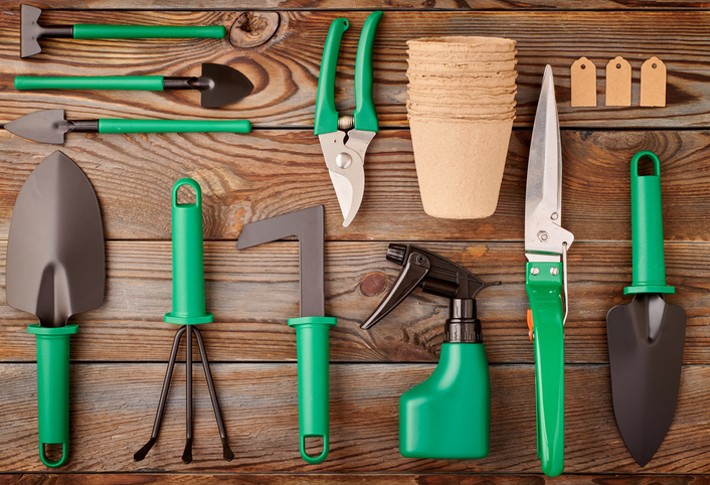
In my patio tests, simple rules beat fancy gear. Sun, drainage, and a weekly trim did more than any gadget. That’s why the best herbs for beginner gardeners shine with basic care.

Common Mistakes Beginners Make (And Easy Fixes)
Avoid these traps and your best herbs for beginner gardeners will stay strong.
- Overwatering: Soggy soil starves roots of air. Let soil dry a bit between drinks.
- Too little light: Leggy stems and pale leaves mean move closer to sun.
- Skipping harvests: Herbs get woody and bitter. Trim often to keep them tender.
- Wrong pot size: Tiny pots dry too fast; huge pots hold too much water. Pick medium.
- Heavy soil: Compacted mix stunts growth. Use a light potting blend with perlite.
- Feeding too much: Big, bland leaves are a clue. Cut back fertilizer.
My early fail was rosemary in a cute, no-drain pot. It sulked, then died. Now I drill holes or skip those pots. Simple fix, huge difference.
Harvesting, Storing, and Using Your Herbs
Smart harvests keep plants vigorous and your kitchen happy.
Harvest:
- Morning cuts taste brightest. Oils peak then.
- Use clean scissors. Cut above a leaf pair to spark new shoots.
- For basil, take tips every few days to build a bushy plant.
Storage:
- Short term: Keep stems in a glass of water on the counter. Basil prefers room temp.
- Long term: Freeze chopped herbs in olive oil in ice trays. Dry woody herbs by hanging in a dry room.
- Safety note: Refrigerate herb-infused oils and use within a week.
Use:
- Blitz basil into pesto. Freeze flat in bags for quick chunks.
- Mix chopped mint into yogurt with lemon and salt.
- Roast potatoes with thyme and garlic. Easy win any night.
With good harvest habits, the best herbs for beginner gardeners supply fresh flavor for months. Small, steady cuts feed both plant and cook.

Small-Space and Indoor Setups
You can grow the best herbs for beginner gardeners on a sill, shelf, or balcony.
- Windowsills: South-facing is best. Use a narrow tray to catch drips.
- Grow lights: LED bars 6 to 12 inches above leaves for 12 to 14 hours daily.
- Airflow: A small fan on low reduces mold indoors.
- Water control: Self-watering inserts help if you travel.
- Grouping: Cluster pots to raise humidity slightly, but keep some space for air.
In winter, I run a simple timer on lights and water every 3 to 5 days. Basil stays lush, and parsley never stalls.
Seasonal Planning and Succession
Plan by season to keep the best herbs for beginner gardeners going strong.
- Cool-season stars: Cilantro and parsley like spring and fall. Bolt risk rises in heat.
- Warm-season stars: Basil, rosemary, oregano, thyme, and sage love summer.
- Succession plan: Re-seed cilantro every 2 to 3 weeks. Start a second basil pot a month after the first.
- Overwinter: Chives, thyme, oregano, and sage can survive mild winters in-ground. Mulch helps.
I stagger basil plantings to ride out heat waves and keep pesto jars full. Simple timing makes a big change.

Troubleshooting Quick Guide
Use these fast checks when herbs act up.
- Yellow leaves: Could be overwatering or low nitrogen. Check drainage first.
- Brown tips: Often underwatering or excess heat. Water deeper and provide shade at noon.
- Leggy growth: Not enough light. Move to more sun or add a light.
- Spots or fuzz: Poor airflow or splash. Space plants and water the soil, not the leaves.
- Weak flavor: Too much fertilizer or low sun. Cut back feeding and find brighter light.
With a quick scan and small tweaks, the best herbs for beginner gardeners bounce back fast.

Frequently Asked Questions of best herbs for beginner gardeners
What are the absolute best herbs for beginner gardeners to start with?
Basil, mint, chives, parsley, thyme, and oregano are top picks. They grow fast, forgive mistakes, and taste great in many dishes.
How much sun do the best herbs for beginner gardeners need?
Most need 6 to 8 hours of sun. Mint and parsley manage with partial sun, but growth slows.
Can I grow the best herbs for beginner gardeners indoors without a south window?
Yes, use an LED grow light for 12 to 14 hours a day. Keep it close to leaves and add airflow.
How often should I water the best herbs for beginner gardeners?
Water when the top inch feels dry. In hot weather, expect to water more often, but avoid soggy soil.
Do I need fertilizer for the best herbs for beginner gardeners?
Use a light dose every few weeks during active growth. Too much fertilizer reduces flavor.
Why does my cilantro bolt so fast?
Cilantro hates heat and long days. Grow it in cool months and re-seed often for steady supply.
What size pot works best for beginner herbs?
A 10 to 12-inch pot suits most herbs. Ensure drainage holes and use quality potting mix.
Conclusion
Start small, pick forgiving plants, and harvest often. The best herbs for beginner gardeners are the ones that match your light, time, and taste. With simple care and a few smart habits, you will see fast results and eat better every day.
Plant two or three herbs this week, trim them with confidence, and build from there. Share your wins, ask questions, and subscribe for more bite-size garden guides and seasonal tips.