

How Do I Mulch Leaves: Simple Methods And Pro Tips
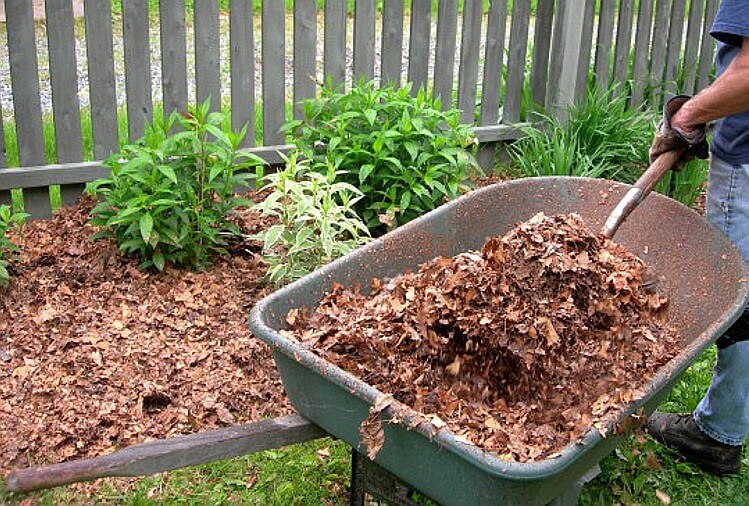
Mulching turns fallen leaves into a fine layer of organic matter that feeds your lawn naturally.
Mulching leaves is the smartest thing you can do with autumn’s bounty. Instead of bagging hundreds of pounds of leaves and sending them to the landfill, you can turn them into free, nutrient-rich organic matter that your lawn and garden will thrive on. The process takes less time than raking, requires no special equipment beyond a standard mower, and delivers results that improve your soil year after year.
This guide covers everything from the basic method to advanced tips for tricky situations. By the end, you’ll know exactly when to mulch, how to avoid common mistakes, and what to do with the excess. You can also read our guide on how to maintain a healthy lawn naturally.
Why Mulching Leaves Beats Raking and Bagging
Mulched leaves are not just harmless to your lawn—they’re actively beneficial. Shredded leaves break down quickly and return valuable organic matter to the soil. This improves soil structure, boosts moisture retention, and feeds the earthworms and microorganisms that keep your lawn healthy.
When you mulch leaves with a mower, you’re also:
- Saving time and effort — mowing over leaves takes a fraction of the time of raking and hauling
- Saving money — no need for paper bags, fertilizer, or commercial mulch
- Reducing waste — keep thousands of pounds of organic material out of landfills each fall
- Suppressing weeds — a thin layer of leaf mulch blocks weed seeds from germinating
- Protecting roots — shredded leaves provide insulation against winter temperature swings
Research from university extensions consistently shows that mulched leaves do not harm turf when processed correctly. In some trials, lawns with mulched leaves actually showed fewer dandelions in spring compared to lawns where leaves were removed. For further reading, see epa.gov.
What You Need to Mulch Leaves
You probably already own everything required. A standard rotary mower is the only essential tool, though a few additions make the job easier and produce better results.
Essential equipment:
- Lawn mower (any type—gas, electric, or battery-powered)
- Rake or leaf blower for gathering thick piles into an even layer
- Eye protection and closed-toe shoes
Helpful but optional:
- Mulching blade (designed with a curved shape that chops leaves and grass more finely)
- Mulching plug or baffle (blocks the discharge chute to recirculate clippings)
- Compost bin or spare bins for storing excess shredded leaves
A sharp blade matters more than anything. Before your first mulching session of the season, check your blade. If it’s dull or nicked, sharpen it or replace it. A sharp blade slices leaves cleanly into small pieces, while a dull blade tears them into ragged clumps that mat together.
Step-by-Step: How to Mulch Leaves on a Lawn
The basic technique is straightforward, but following the right sequence makes the difference between a clean job and a mess.
Step 1: Wait for dry conditions Mulch leaves when they’re dry and crisp. Wet leaves stick to the underside of your mower deck, form heavy clumps, and create a messy result. If rain is in the forecast, wait until the leaves dry out—usually one or two sunny days does it.
Step 2: Set your mower height Raise the mower deck to around 3 inches. Taller grass catches and holds the shredded leaf pieces against the soil, where they can break down. Cutting too low leaves grass stressed and exposes soil.
Step 3: Mow over the leaves Start in the areas with the heaviest leaf cover. Move slowly—slow is key—and overlap each pass by about one-third. Going too fast leaves larger pieces untouched.
Step 4: Make a second pass After the first pass, mow in a crosshatch pattern (perpendicular to your first direction). This second pass chops the leaf pieces down to dime-size bits or smaller, which is the target size for rapid breakdown.
Step 5: Check your work Stop and look down. You should see grass blades poking up through the leaf fragments. If the leaves completely bury the grass, make another pass. If you still have a thick layer after three passes, the leaf volume is simply too high for mulching in place.
Step 6: Optional light watering A quick, light watering after mulching helps settle the leaf bits into the grass canopy and kick-starts microbial activity. Don’t soak the lawn—just a light misting.
How to Mulch Leaves for Garden Beds and Trees
The same shredded leaves that benefit your lawn work even better in garden beds. Flower beds, vegetable plots, and tree rings all benefit from a protective layer of leaf mulch.
For flower and vegetable beds:
- Apply 2 to 3 inches of shredded leaves around plants
- Keep the mulch a few inches away from stems and trunks to prevent rot
- Mix in grass clippings or a handful of compost to add nitrogen, which speeds decomposition
- Refresh the layer mid-winter if it settles significantly
For trees and shrubs:
- Spread 3 to 4 inches of shredded leaves under the canopy
- Keep mulch away from the trunk itself—a mulch volcano can trap moisture and cause decay
- Extend the mulch circle out to the drip line where roots absorb the most water
In practice, heavily mulched beds also mean fewer weeds. One gardening approach is to set your mower to collect leaves, then dump the shredded leaf collection directly onto garden beds. Over winter, the leaves break down and enrich the soil without any extra effort.
When to Avoid Mulching in Place
Mulching in place is not always the right call. Knowing when to switch tactics prevents problems before they start.
Avoid mulching when:
- Leaves are soaking wet — wait for them to dry, or you’ll create clumps that smother grass
- The layer is too thick — if you can’t see grass after three mower passes, the volume is too high
- Disease is present — blackspot, rust, or other fungal diseases can overwinter in mulched leaves and reinfect trees next spring
- Black walnut trees are involved — juglone compounds can harm sensitive plants; keep walnut leaf mulch away from vegetable beds
- Storm drains or slopes — loose shredded leaves can wash into drains and cause clogs
For diseased leaves, the safest approach is to bag and send them to municipal green waste programs where high-temperature composting kills pathogens. Never put diseased leaves in your own compost pile unless you maintain a hot pile that reaches 130–160°F consistently.
If you have a leaf blower to gather leaves into manageable rows before mulching, that’s ideal. Many people find they can blow leaves from under shrubs and along fences into the open lawn, then mow the whole area in a few passes.
Timing and Seasonal Game Plan
When you mulch matters almost as much as how you mulch. The “mow it all in one day” approach leads to overwhelmed mowers and smothered grass. A better system spreads the work out and keeps your lawn healthier.
Week-by-week fall plan:
- Early fall (light leaf drop): Mow normally, leaving grass clippings and any scattered leaves
- Peak fall (heavy drop): Mulch weekly or biweekly, keeping the leaf layer thin
- Late fall (after most leaves fall): Do a final mulching pass before the first hard frost
- Early spring: Mulch any remaining leaf litter during your first or second mow of the season
This schedule works because it prevents leaves from accumulating into unmanageable piles. Thirty minutes of mulching each week is far more efficient than spending an entire Saturday tackling a foot-deep layer of leaves in November.
You can adjust this timing based on your region’s climate. In warmer zones where leaves drop later, shift the schedule accordingly. In northern areas where snow arrives early, do a final pass before the ground freezes.
How Much Is Too Much? Simple Rules to Follow
A common question is whether all that shredded organic matter can hurt grass. The answer depends entirely on thickness.
Follow these rules of thumb:
- You should see grass tips after mulching. If you can’t, the layer is too thick.
- Process no more than 1 inch of loose leaves per pass. More than that overwhelms the mower and leaves clumps.
- If your mower strains or leaves clumps, stop and bag the remainder.
- Spread excess elsewhere — garden beds, paths, or a compost pile.
Most lawns can handle repeated light mulching throughout fall without any negative effects. The key is that many light passes are always better than one heavy pass. Grass recovers quickly when it’s gradually covered by a thin layer, but a thick mat prevents light and air from reaching the crown of the plant.
Extra Uses for Mulched Leaves: Compost, Leaf Mold, and Paths
If you have more leaves than your lawn can absorb, you still have excellent options. Shredded leaves are one of the most valuable materials for any gardener.
Compost: Mix shredded leaves with nitrogen-rich green material—grass clippings, vegetable scraps, or chicken manure—at a ratio of about 2:1. Keep the pile as moist as a wrung-out sponge and turn it every couple of weeks. You’ll have finished compost in a few months.
Leaf mold: This is even simpler. Pile shredded leaves, moisten them, and let them sit. In 6 to 12 months, you’ll have dark, crumbly leaf mold that’s perfect for improving soil structure and moisture retention. Leaf mold is an excellent amendment for vegetable gardens and can be used as mulch or worked directly into the soil.
Garden paths: Use a 3–4 inch layer of shredded leaves for garden paths and walkways. It cushions footsteps, suppresses weeds, and breaks down slowly over the season. Top up after big storms to maintain good coverage.
Raised beds: Spread 1–2 inches of shredded leaves over raised beds in fall. By spring, most will have broken down, and the bed will be ready for planting.
Storing excess shredded leaves is easy. Use black plastic garbage bags (poked with a few holes for airflow) or an old compost bin. Keep them in a dry spot, and they’ll stay usable for months.
Safety, Care, and Mower Tips
Mulching leaves is low-risk, but a few precautions keep you safe and protect your equipment.
Before you mow:
- Clear the lawn of sticks, stones, toys, and other debris that can become dangerous projectiles
- Check the underside of the mower deck for clogged, matted material
- Make sure the blade is sharp and secure
- Keep children and pets indoors while you work
During mulching:
- Wear eye protection—a kicked-up stick or stone can cause serious eye injuries
- Wear sturdy closed-toe shoes or boots
- If using an electric mower, keep the cord away from the discharge area
After you finish:
- Clean the mower deck thoroughly to prevent rust
- Check and clean the air filter, especially if you mulched a lot of dry, dusty leaves
- Top up or change fuel as needed
If your mower has a mulch plug (also called a mulching baffle), install it before the fall season. This simple piece of plastic or metal closes off the discharge chute and recirculates leaves and grass clippings multiple times before they settle. The result is much finer mulch in a single pass.
Troubleshooting and Mistakes to Avoid
Even experienced gardeners hit snags. Here’s how to handle the most common problems:
Clumps left in trails across the lawn
- Slow down—speed is the most common cause of uneven mulching
- Raise the deck one notch and make another pass over the clumps
- If clumping persists, the leaves may be too wet; wait for them to dry
Wet leaf sludge under the deck
- Stop immediately and scrape out the matted material
- Check that your discharge chute isn’t blocked
- Wait for a dry day to continue
Brown, smothered spots in the lawn
- Rake away the excess leaf layer to let light and air reach the grass
- Water the area lightly to help grass recover
- In spring, overseed bare patches if needed
Mower bogs down and strains
- Take narrower passes so the mower isn’t handling too much material at once
- Empty the bag more frequently if collecting
- Consider mowing in the opposite direction to redistribute the load
Fine dust everywhere
- This happens when leaves are too dry; a light misting of water can help settle it
- Wear a dust mask if you’re sensitive to particulate matter
Frequently Asked Questions
How do I mulch leaves with just a basic mower?
Close the discharge chute or install a mulching plug if you have one. Mow slowly, make overlapping passes, and repeat in a crosshatch pattern. If clumps form, slow down and raise the deck height. A standard mower with a sharp blade does the job—a mulching blade just means fewer passes.
Will mulching leaves hurt my lawn?
No. When done correctly with thin, dry layers, mulching leaves provides organic matter and nutrients that benefit the lawn. University research supports mulching leaves in place as a healthy practice for most lawns.
Can I mulch pine needles and oak leaves?
Yes, but they need extra attention. Pine needles are tough and waxy, so shred them thoroughly and keep the layer thin. Oak leaves are acidic and decompose slowly—mix them with grass clippings or add a light application of lime if your soil tends to be acidic anyway. Both are fine in moderation.
How often should I mulch leaves in fall?
Once a week during peak leaf drop works well. The goal is to keep leaf accumulation manageable so you’re never processing more than an inch of loose leaves at a time. Short, frequent sessions are much easier than one marathon effort.
What if I have too many leaves for the lawn?
Mulch as much as your lawn can handle, then collect the rest. Bagged shredded leaves can go into garden beds, a compost pile, or a leaf mold heap. Excess doesn’t have to become waste—it’s one of the best free resources a gardener can get.
Do I need a special mulching blade?
It helps, but it’s not required. A sharp standard blade and extra passes can produce acceptable results. If you plan to mulch leaves every fall, upgrading to a mulching blade is a worthwhile investment that saves time and produces finer mulch.
Conclusion
Mulching leaves is one of the simplest, most effective habits for a healthier yard. A thin layer of shredded leaves feeds your soil, protects it through winter, saves you hours of raking, and keeps thousands of pounds of organic matter out of the waste stream. The process takes minutes with equipment you already own, and the benefits compound year after year.
Start this fall with light, weekly passes over dry leaves. Keep your blade sharp, mow slowly, and check that grass tips remain visible after each pass. Spread the excess on garden beds or start a leaf mold pile. By spring, you’ll notice the difference—softer soil, fewer weeds, and grass that comes back stronger. Your yard will thank you, and so will the environment.


