Common Mistakes When Digging Garden Beds: Pro Fixes
Most beds fail due to wet digging, deep tilling, soil compaction, and poor layout.
If your garden beds underperform, you are likely repeating a few common mistakes when digging garden beds. I have built and rebuilt beds for years, from tight city lots to heavy clay yards. In this guide, I will show you exactly what goes wrong, why it matters, and how to fix it with clear, field-tested steps.

Why proper bed digging matters
Digging is not just about turning dirt. It shapes soil structure, controls drainage, and sets your plants up for root health. When done well, you keep air spaces open, improve water flow, and feed soil life.
The flip side is harsh. The common mistakes when digging garden beds crush pore spaces, bring up dead subsoil, and bury weed roots. That slows growth and wastes your effort. Healthy beds come from gentle handling, smart timing, and the right tools.
Watch for red flags:
- Soil smears and shines like putty after you dig. That means compaction.
- Water puddles for hours. That signals poor drainage.
- Hard crust forms on top within days. That shows broken structure and no cover.
Common mistakes when digging garden beds
Below are the most common mistakes when digging garden beds, with fixes you can use right away. Over the years, I learned many of these the hard way on client sites and in my own yard.
1) Digging when soil is too wet or too dry
Wet soil packs like modeling clay. Dry soil turns to dust and loses structure. Use the squeeze test: soil should form a weak ball that crumbles with a poke. If it smears, wait. If it blows away, moisten first. The common mistakes when digging garden beds often start with bad timing.
2) Over-tilling or double-digging every season
Deep, repeated tilling breaks aggregates and kills worm channels. Plants then fight for air and water. Disturb only as deep as needed. A broadfork or garden fork loosens without shredding soil life. I reserve deep work for new beds only.
3) Mixing subsoil with topsoil
Shoveling deep and flipping layers pulls low-fertility subsoil up top. Roots then stall. Keep horizons in place. Loosen deeper layers, but blend compost only into the top few inches. This avoids a harsh, low-nutrient surface.
4) Ignoring layout, reach, and path protection
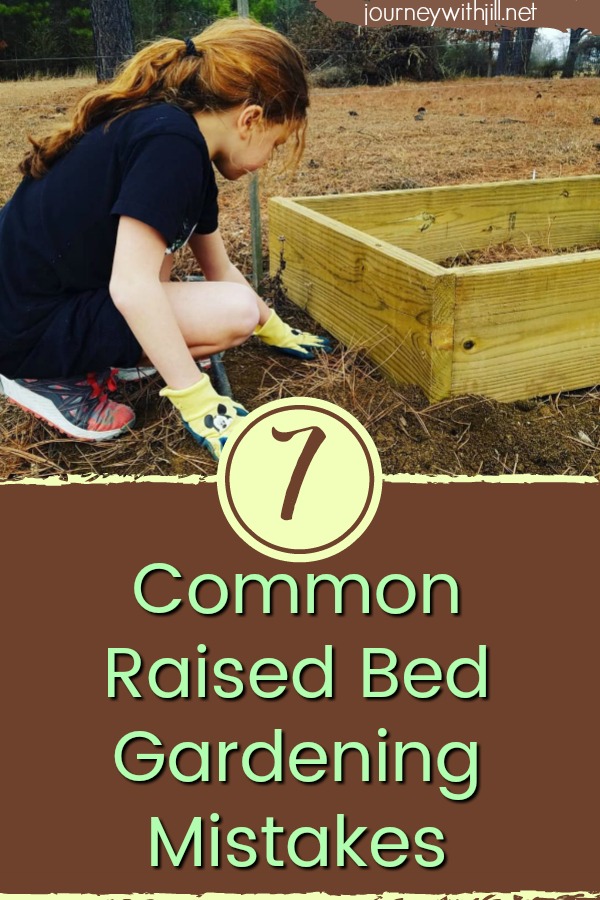
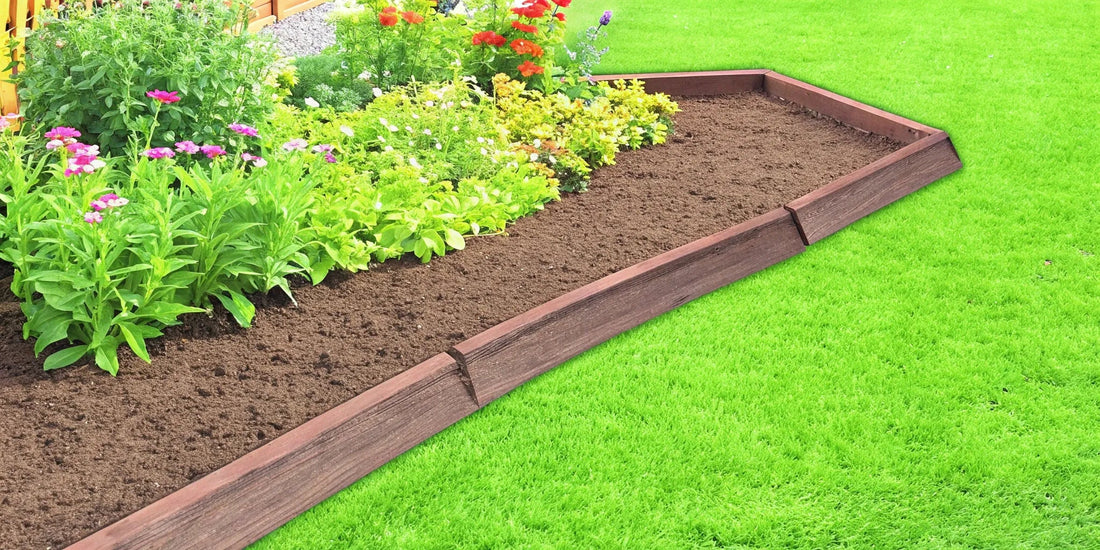
Beds that are too wide force you to step on the soil. That compacts it. Keep bed width to what you can reach from both sides, often 30–48 inches. Mark paths and use boards to stand on while working. The common mistakes when digging garden beds often begin with no plan lines.
5) Stepping in the bed and crushing structure
One boot print can close air spaces. Roots then face a brick wall. Keep feet in paths. Lay a plank for access if you must reach far. Your soil biology will thank you.
6) Skipping a soil test and guessing with amendments
Adding lime, sulfur, or fertilizer without data can push pH off or burn roots. Tests are cheap and save money. Add 1–2 inches of compost for most beds. Adjust nutrients by the numbers, not by habit.
7) Forgetting drainage and slope
Flat, low spots hold water. Roots drown. Shape beds slightly higher than paths. In heavy clay, raise the bed 6–8 inches. On slopes, run beds along the contour to slow runoff. The common mistakes when digging garden beds often ignore water paths.
8) Burying weed rhizomes and seeds
Chopping up couch grass, bindweed, or nutsedge spreads them. Pull or smother problem weeds first. Lift whole rhizomes. For turf, slice and flip onto a tarp, or smother with cardboard for a no-dig start.
9) Using the wrong tool for the job
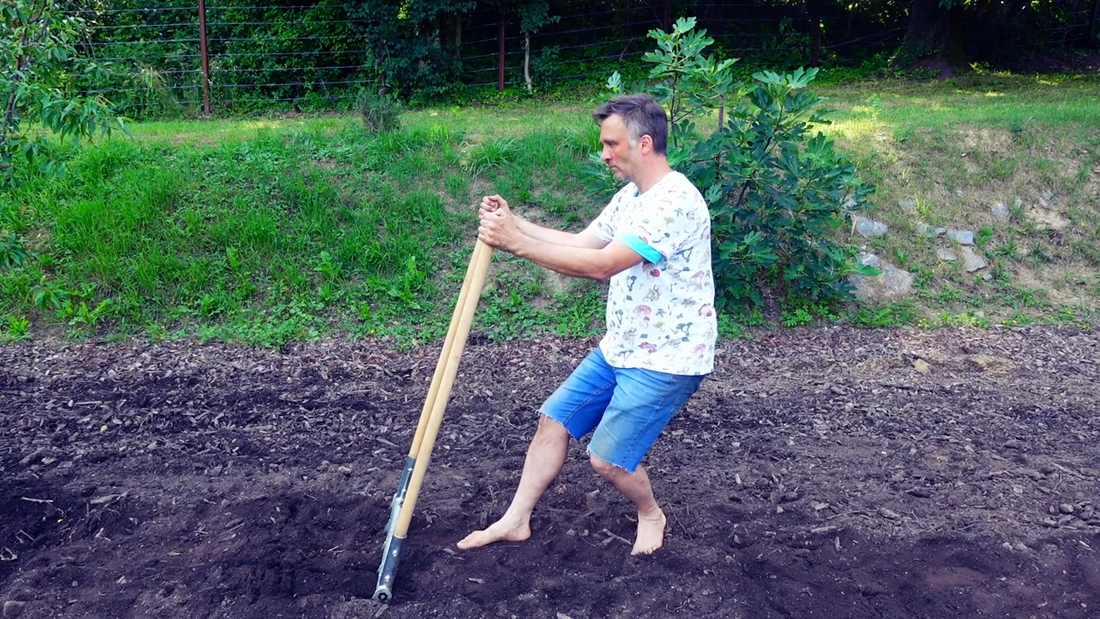
A round-point shovel is not always best. In clay, a garden fork or broadfork opens soil with less smear. A spade cuts edges clean. A tiller in wet soil is a disaster. Match tool to soil and moisture.
10) Leaving bare soil after digging
Bare soil bakes, crusts, and erodes. It also wakes up weed seeds. After shaping, mulch with straw, leaves, or wood chips on paths. On beds, use 1–2 inches of compost plus a light mulch. This is where many common mistakes when digging garden beds become long-term problems.
How to dig garden beds the right way
Follow these steps to avoid the common mistakes when digging garden beds and set a strong base for growth.
- Check moisture. Use the squeeze test. Wait for that crumbly ball stage.
- Plan the layout. Mark edges with string and stakes. Keep beds narrow enough to reach.
- Protect paths. Lay boards or mulch on paths before you start.
- Remove or smother turf. Lift sod onto a tarp, or cover with cardboard and compost.
- Loosen, do not pulverize. Use a garden fork or broadfork 6–10 inches deep. Rock, do not flip.
- Add organic matter. Spread 1–2 inches of mature compost on top.
- Blend shallowly. Mix compost into the top 2–3 inches with a rake or fork.
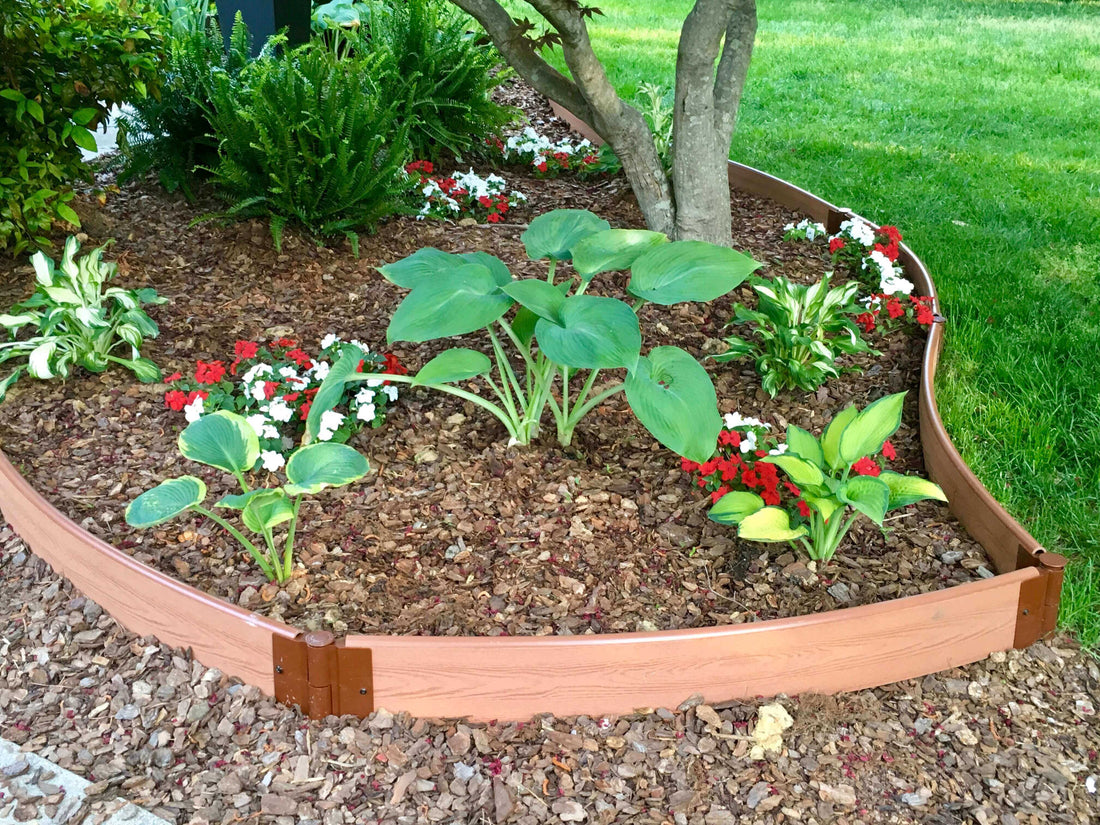
- Shape and level. Crown beds slightly higher than paths for drainage.
- Water to settle. A gentle soak ties soil to compost without compaction.
- Cover the surface. Mulch to protect structure and keep moisture even.
- Plant smart. Use transplants or seeds suited to your season and soil.
Pro tip from the field: lay a tarp near your work zone. Toss weeds and roots on it. You will keep soil off the lawn and make cleanup fast.
Tools and techniques by soil type
Fine-tune your approach to cut risk and fix the common mistakes when digging garden beds.
Heavy clay
Clay smears when wet and forms clods when bone dry. Work at the crumb stage only. Use a garden fork or broadfork rather than a tiller. Add compost and a light layer of coarse mulch. Avoid sand alone; it can make brick.
Sandy soil
Sandy beds drain fast and lose nutrients. Add compost every season. A spade and rake work well here. Do not over-dig. Keep roots shaded with mulch to hold moisture.
Loam
Loam is forgiving, but you can still harm it. Limit disturbance. Add 1 inch of compost once a year. Keep beds covered between crops. This keeps structure and life stable.
Compacted urban fill
Expect rubble and thin topsoil. Loosen with a fork and remove debris. Build raised beds and import quality mix if needed. This leapfrogs years of repair and avoids the worst common mistakes when digging garden beds in tough sites.
Tool tips:
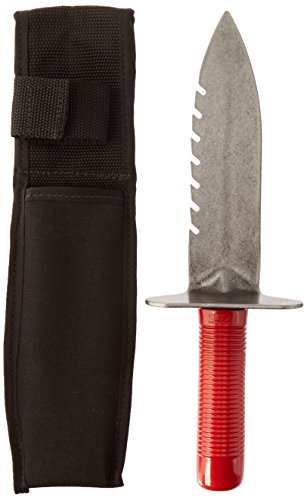
- Spade for clean edges and slicing sod.
- Garden fork for loosening without flipping.
- Broadfork for deep aeration with low disruption.
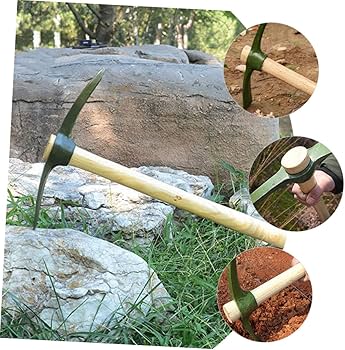
- Mattock for roots and rocky patches.
- Sharpen blades and keep handles tight for safe leverage.
Safety, ergonomics, and sustainability
Safety first. In the US, call 811 before digging to locate utilities. Wear gloves and boots. Keep kids and pets clear of the work zone. Know where irrigation lines run.
Protect your body. Keep your back neutral and hinge at the hips. Switch lead hands often. Take short breaks. I learned this after a long spring rush left my wrist sore for weeks. Smart pacing beats speed.
Think long term. The best fix for the common mistakes when digging garden beds is to disturb less over time. Use no-dig methods once beds are set. Plant cover crops in the off season. Add compost as a top-dress and let worms pull it down. Research shows minimal till keeps structure strong and yields steady.
Frequently Asked Questions
When is the best time to dig a garden bed?
Work when soil is moist but not wet, often in early spring or fall. The squeeze test is your best guide, not the calendar.
How deep should I dig?
Loosen 6–10 inches for most vegetables, but do not flip layers. For carrots or deep roots, loosen a bit deeper with a fork rather than turning.
Is double-digging worth it?
It can help in a new, compacted bed, but it is not needed every year. After the first build, switch to light loosening and top-dressing.
Can I use a tiller?
Use a tiller only on dry, friable soil and for first-time beds. Avoid it on wet clay or every season, as it can harm structure.
Should I remove grass or smother it?
Both work. Lifting sod gives fast results; smothering with cardboard and compost is less work and protects soil life.
How much compost should I add?
Add 1–2 inches of mature compost on top each season. Blend shallowly for new beds, and top-dress only for established beds.
Conclusion
Great beds come from smart timing, gentle tools, and steady care. Avoid digging wet soil, skip deep flipping, protect paths, and keep the surface covered. These simple habits prevent the common mistakes when digging garden beds and lift your yields fast.
Put this plan to work on one bed this week. Test the soil, set your lines, and build it right. Want more practical guides? Subscribe for new tips, or drop a comment with your toughest soil challenge.