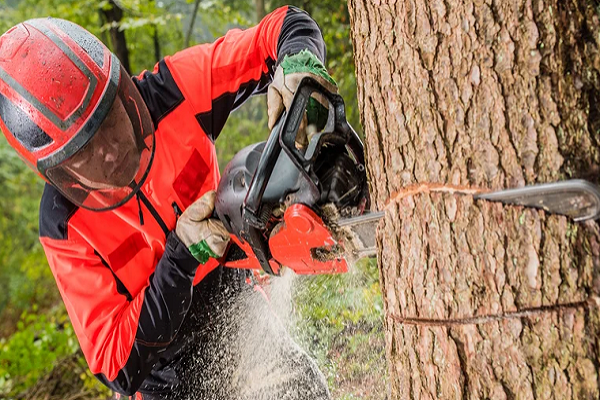
Can You Use A Chainsaw On Wet Wood: Safe Cutting Guide
Yes, you can use a chainsaw on wet wood, but you must adjust your approach.
If storm cleanup or rainy-season logging is on your list, you need clear, safe, and tested answers. This guide tackles can you use a chainsaw on wet wood from real-world practice and manufacturer-backed advice. You will learn what changes in wet conditions, how to set up your saw, and the safest way to cut without wrecking your chain or risking injury.

Can you use a chainsaw on wet wood? The short answer and why
Can you use a chainsaw on wet wood? Yes, when you plan for slip risks, chain care, and safety power rules. Water does not harm the chain at normal use. In some cases, wet fibers even cut a bit smoother. The bigger risks are you, your footing, and the saw’s electrics.
From years of storm work, I have cut hundreds of wet logs, limbs, and trunks. The job goes well if you use sharp chain, correct bar oil, and a solid stance. Gas and battery saws are fine with care. Corded tools near water need extra controls or a full stop.
How wet wood affects your chainsaw
Wet wood changes how the cut feels and how your saw handles debris. The wood fibers hold water. That cools the chain and can reduce friction. Yet bark often holds grit, sand, and soil. That mix dulls teeth fast, not the water itself.
Expect wet sawdust to clump. It may pack into the bar groove, clutch cover, and drive sprocket. This can slow oil flow and raise heat. It can also force the chain off tension. To manage this, use tacky bar oil and clean out chips more often.
Can you use a chainsaw on wet wood without extra wear? Yes, if you use semi-chisel chain and keep depth gauges set right. That combo deals better with dirty bark and wet scrap.

Safety risks and how to reduce them
Cutting in the wet raises the stakes. The wood is slick. Your boots are slick. The saw body is slick. Your plan must reduce slip, shock, and kickback.
Follow these steps:
- Wear full PPE. Use chaps, helmet with face shield, ear protection, gloves with grip, and steel-toe boots with good tread.
- Check footing. Clear mud, leaves, and loose bark where you will stand and step.
- Control the bar. Keep the tip out of the kickback zone. Use a firm two-hand grip and square stance.
- Plan an escape path. Always have two clear steps back and to the side.
- Inspect the log. Look for pinch points, tension, compression, and embedded metal or stone.
Can you use a chainsaw on wet wood during a storm? Yes, but avoid wind gusts, power lines, and unstable trees. Follow safe felling angles and avoid widow-makers.

Tool setup for wet conditions
Setup matters more in rain and mud. A few small tweaks protect your chain, bar, and drive.
Do this before you cut:
- Choose the right chain. A semi-chisel chain stays sharp longer in dirty, wet bark.
- Set chain tension warm. Recheck after the first few cuts. Wet chips can loosen the chain.
- Use tacky bar oil. A heavier, high-tack oil sticks to the chain even as water runs.
- Clean the oiler hole. Wet paste can block oil flow. Probe the port and bar groove.
- Swap to a longer bar only if needed. A shorter bar is easier to control on slick wood.
Can you use a chainsaw on wet wood with full-chisel chain? You can, but it will dull faster in gritty bark. Carry a file and gauge, or a spare sharpened loop.

Cutting techniques for wet logs, limbs, and trees
Wet wood rewards smooth, steady technique. Rushing causes pinches and kickback.
Use these tips:
- Score first. Make a shallow starter cut to set the kerf and reduce bar wander.
- Let the chain work. Do not force the saw. Keep chain speed up with light pressure.
- Control the kerf. Use wedges to keep the cut open on heavy or bent logs.
- Limb top-down. Keep the bar clear of dirt. Roll logs on blocks to avoid ground strikes.
- Keep the tip clear. Avoid cutting with the bar nose on slick bark.
Can you use a chainsaw on wet wood for bucking firewood? Yes. Place the log on stands, avoid soil contact, and use wedges on big rounds.

Maintenance after cutting wet wood
Your post-cut routine protects the saw and your next job. Wet chips hold water against steel. That invites rust.
After each session:
- Brush and scrape. Clear the clutch cover, bar groove, sprocket, and chain of paste and chips.
- Dry and oil. Wipe metal surfaces and apply a light oil film to the bar and chain.
- Sharpen the chain. Touch up every tank. Focus on even tooth length and correct depth gauges.
- Check air filter. Wet fines can load it fast. Clean or replace as needed.
- Store dry. Keep the saw in a ventilated place, off wet ground.
Can you use a chainsaw on wet wood all day without damage? Yes, if you clean, oil, and sharpen on schedule.
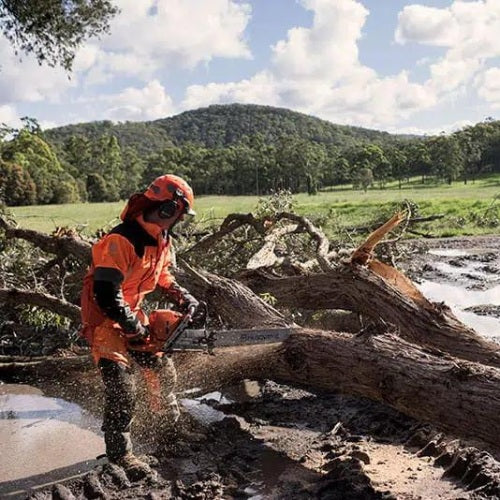
Gas, battery, and corded saws in wet conditions
Not all powerheads face water the same way. The fuel or power source changes your risk.
- Gas saws. These tolerate rain well. Keep the air intake and spark plug area clean and dry. Avoid flooded carb issues by storing under cover.
- Battery saws. These are better than corded in the wet, but still keep the pack, ports, and vents dry. Follow the maker’s IP rating and rules.
- Corded electric saws. Treat water and cords as a hard no in the rain or near puddles. If you must, use a GFCI outlet, keep all connections off the ground, and only work in dry areas.
Can you use a chainsaw on wet wood with a corded saw? It is not wise. Shock risk rises when water is present. Follow the manual and local safety codes.

My field notes: real-world lessons
Over the last decade, most of my wet cuts were storm cleanups. The biggest lesson is simple: slow down. Slick bark and hidden tension trap fast workers. A light touch on the trigger and steady stance save the day.
A few hard-won tips:
- Keep two sharp chains on hand. Swap fast when you hit mud or sand.
- Semi-chisel chain is my default in winter. It dulls slower in dirty bark.
- I carry plastic wedges and a small brush. Wedges hold the kerf open. The brush keeps oil ports clear.
- I switch to heavier bar oil in steady rain. It clings better and reduces heat.
- I never run corded saws on wet ground. A GFCI helps, but the risk is still too high.
Can you use a chainsaw on wet wood when the bark is muddy? You can, but expect more sharpening. Clean what you can before the cut.

Frequently Asked Questions of can you use a chainsaw on wet wood
Is it safe to run a chainsaw in the rain?
Yes, for gas and many battery saws if you follow the manual and wear full PPE. Avoid corded electric saws in wet areas due to shock risk.
Does wet wood dull chains faster?
Water alone does not. Grit and soil stuck to wet bark do, so inspect cuts and sharpen often.
Can you use a chainsaw on wet wood and get a clean cut?
Yes. Use a sharp semi-chisel chain, steady feed pressure, and wedges to control the kerf.
Is bar oil washed off by rain?
Standard oil can fling off faster in rain. Use tacky bar oil and confirm flow by checking for a light oil line on wood.
Will wet sawdust clog the saw?
It can pack into the bar groove and clutch cover. Clean these spots during breaks to protect oil flow and tension.
Can you use a chainsaw on wet wood with a full-chisel chain?
You can, but it may lose its edge faster in dirty bark. Carry a file or spare chain to stay sharp.
Do manufacturers allow cutting wet wood?
Most allow it for gas and rated battery saws. Always read the manual for water exposure limits and electrical safety rules.
Conclusion
You asked, can you use a chainsaw on wet wood? Yes, with smart setup, sharp chain, and firm safety habits. The main risks come from slick footing, hidden grit, and electrical hazards, not the water in the wood. Choose the right chain, use tacky oil, keep your stance stable, and clean the saw after every job.
Apply these tips on your next storm cleanup or rainy-day project. Work slow, stay sharp, and let the saw do the work. Want more step-by-step chainsaw guides? Subscribe for new tips, or drop a question in the comments so I can help.