Standard Garden Hose Fitting Size: Expert Guide 2026
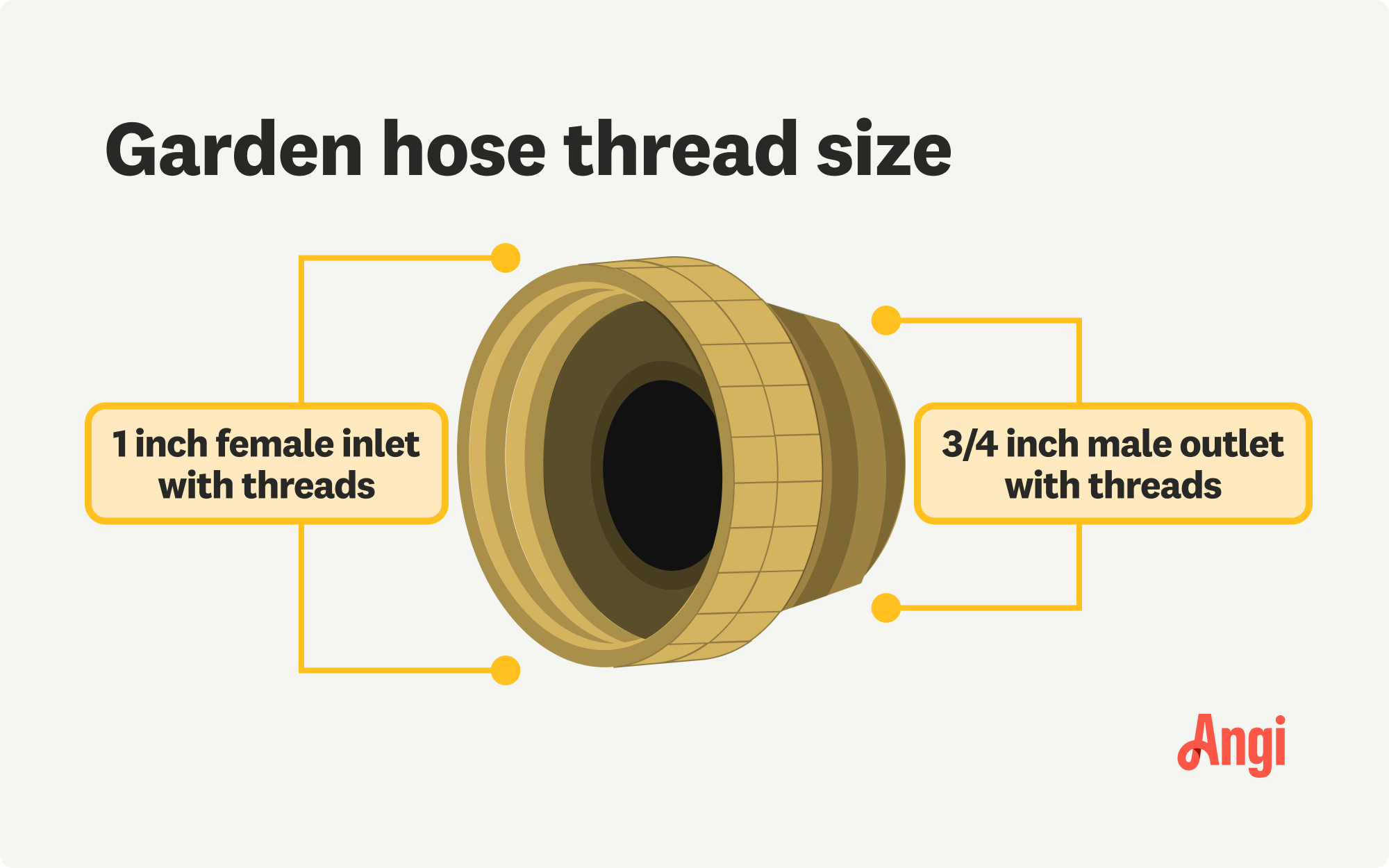
In the US, the standard garden hose fitting size is 3/4-inch GHT (3/4-11.5 NH).
If you have ever fought leaks, cross-threads, or dead pressure at the nozzle, this guide is for you. I work with hose systems and fittings daily, and I’ll break down the standard garden hose fitting size, what it really means, how to measure it, and how to choose the right parts for perfect, drip-free connections.
What “standard garden hose fitting size” actually means
When people ask about the standard garden hose fitting size, they often mix two ideas: hose diameter and thread size. These are not the same.
In the US and Canada, the thread on garden hoses and outdoor spigots is called GHT, also known as NH. The exact spec is 3/4-11.5 NH. It uses straight threads and seals with a flat washer, not with tapered threads.
Key points you can trust:
- The standard garden hose fitting size for threads is 3/4-11.5 NH (GHT).
- GHT is straight thread. It needs a washer to seal.
- NPT is tapered pipe thread. It seals with thread interference and sealant.
- Most consumer hoses have 5/8-inch inside diameter. You also see 1/2-inch and 3/4-inch hoses.
A quick mental picture helps. Think of GHT as a lid that needs a gasket to keep the jar from leaking. NPT is more like a cork that wedges itself tight.
This is the core of the standard garden hose fitting size and why so many adapters exist.

The exact spec: GHT vs NPT vs BSP
To use the standard garden hose fitting size well, you need to know sibling threads and where they show up.
- GHT (NH): 3/4-inch, 11.5 threads per inch, straight thread. Used on hose ends, sprayers, Y splitters, and outdoor spigots.
- NPT: 1/2-inch or 3/4-inch common on plumbing pipe. Tapered thread. Found behind the wall or on adapters.
- BSP/Whitworth: Common outside North America. Comes in 1/2-inch and 3/4-inch. Not the same as GHT.
Practical notes:
- GHT to GHT seals with a flat washer. No thread tape needed in normal cases.
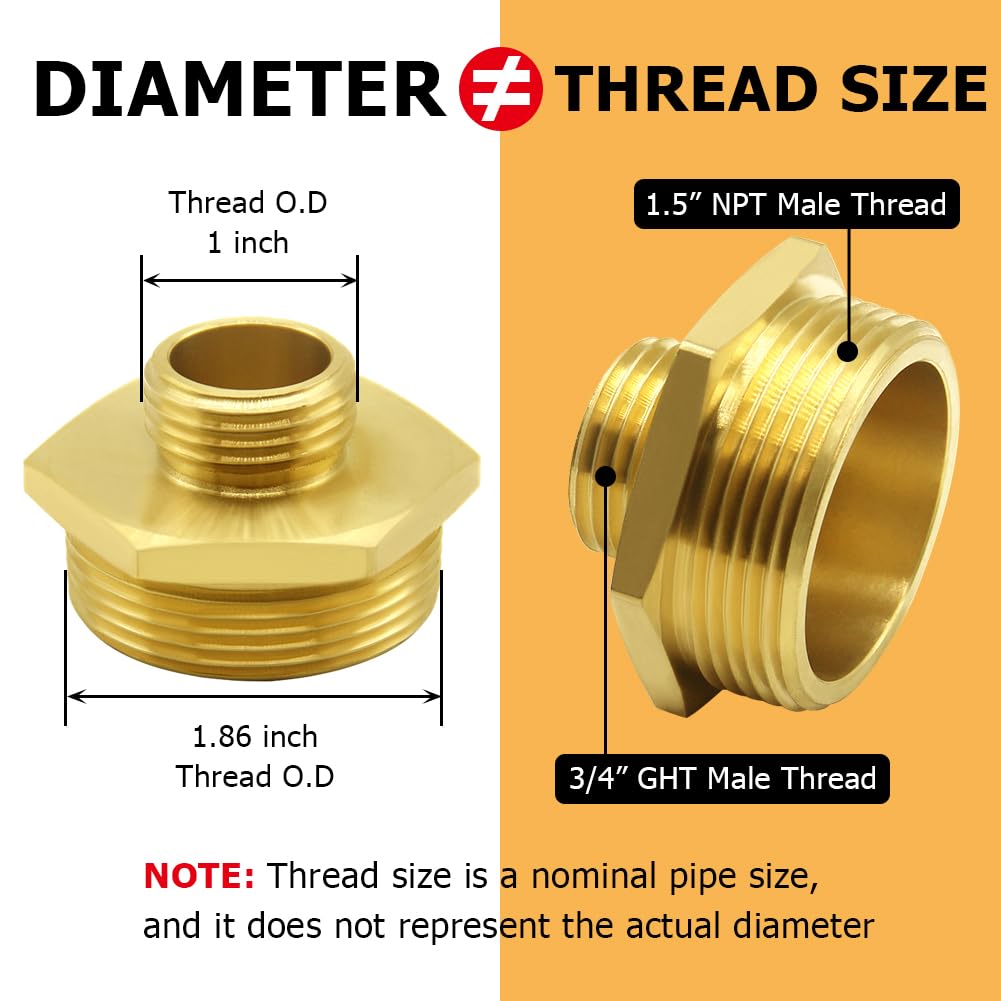
- NPT to GHT needs an adapter. Use thread sealant on the NPT side only.
- BSP to GHT often needs a special adapter. Forcing the fit will damage threads.
In simple terms, the standard garden hose fitting size describes a 3/4-inch GHT thread. Your hose diameter can still be 1/2, 5/8, or 3/4 inch.

How to measure and identify your fittings at home
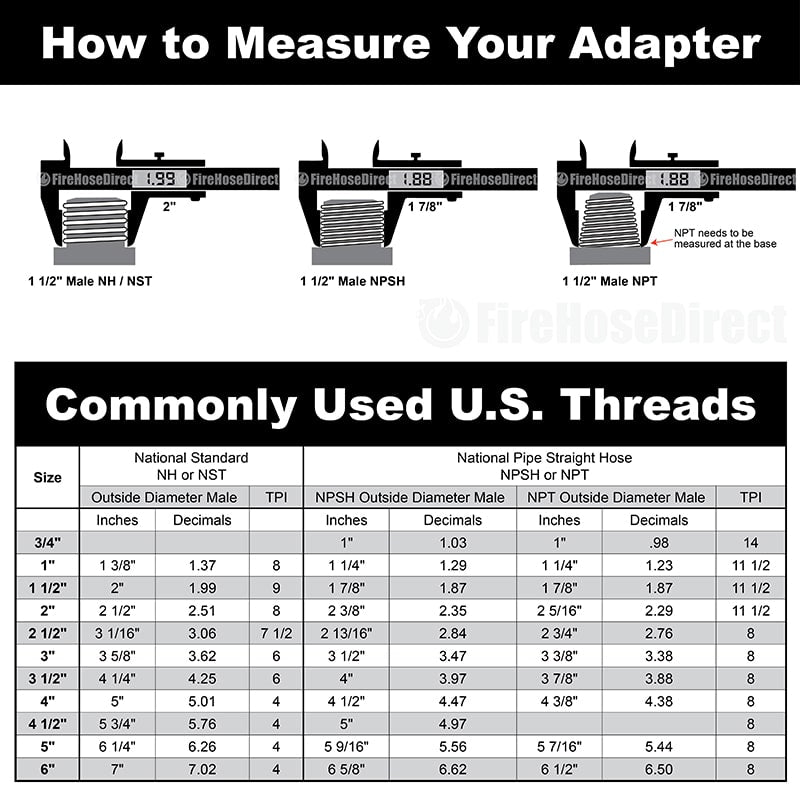
You can confirm the standard garden hose fitting size with simple tools.
- Check the thread type
- Look at the spigot or hose end. If it takes a flat washer inside the female end, it is likely GHT.
- If the male thread looks conical and goes into a pipe fitting, it is likely NPT.
- Measure thread diameter
* Use a ruler. The outside diameter of a 3/4 GHT male thread is about 1 1/16 inches.
- If it is much smaller or larger, you may have an odd size or a non-GHT thread.
- Count threads per inch
- A 3/4 GHT has 11.5 TPI. A thread gauge helps. If you do not have one, compare to a known GHT part.
- Check the hose diameter
- Look at the package or the printing on the hose. Common sizes are 1/2, 5/8, and 3/4 inch ID.
- Bigger hoses move more water with less pressure drop.
Mistakes to avoid:
- Do not wrap thread tape on GHT-to-GHT joints. Replace the washer instead.
- Do not force NPT into GHT. It will cross-thread and leak.
Compatibility across spigots, nozzles, quick-connects, and timers
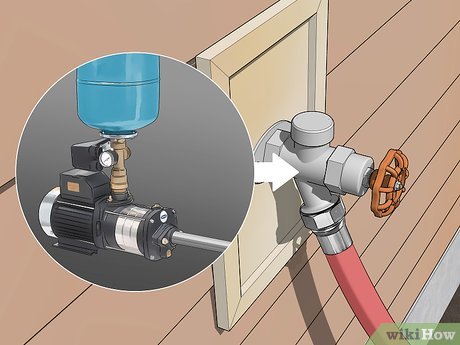
Most outdoor hose bibs and accessories in the US use the standard garden hose fitting size. That includes nozzles, sprinklers, hose timers, and Y splitters.
What to expect:
- Spigot to hose: 3/4 GHT male spigot to 3/4 GHT female hose. Seals with a flat washer.
- Hose to nozzle: 3/4 GHT female hose to 3/4 GHT male nozzle or sprayer.
- Quick-connects: Insert adapters with O-rings. The base thread is still 3/4 GHT.
Indoor faucets are different. Aerators have their own sizes. Use an aerator-to-GHT adapter when filling fish tanks, washing filters, or connecting to a sink.
Materials and durability: brass, stainless, and polymers
You will find the standard garden hose fitting size on parts made from many materials. Each has trade-offs.
- Brass: Strong, corrosion resistant, easy to thread and unthread. My go-to for daily use.
- Stainless steel: Very durable and corrosion resistant. Often more costly. Great for harsh water.
- Polymer/plastic: Light and budget-friendly. Not as tough. Good for low-risk setups.
- Washers: Use high-quality rubber or EPDM. They seal better and last longer.
Flow and pressure tips:
- 1/2-inch hose: Light and easy to handle. Lower flow. Good for patio planters.
- 5/8-inch hose: Best all-around. Good balance of weight and flow for most homes.
- 3/4-inch hose: Highest flow. Great for pressure washers and filling large tanks.
Real ranges vary by hose length and pressure. Short 3/4-inch hoses can move a lot more water than long 1/2-inch hoses. If you need strong spray at the end of a 100-foot run, step up hose size.

Adapters and conversions you will actually use
If your setup is mixed, adapters make the standard garden hose fitting size work with other threads.
Useful pieces:
- NPT-to-GHT adapters: For example, 1/2-inch NPT male to 3/4 GHT male. Seal the NPT side with tape or paste.
- BSP-to-GHT adapters: Needed for imported gear. Look for labeled BSP 1/2 or 3/4 to GHT 3/4.
- Aerator-to-GHT adapters: For connecting a sink to a hose or filter.
- Quick-connect kits: Speed up swaps. Keep spare O-rings.
Pro tip from the field: Label adapters with a marker. In a drawer full of brass, they all look the same.

Field-tested tips, mistakes to avoid, and easy maintenance
This is where small habits pay off. I have installed and fixed hundreds of hose setups. These are the wins I see every day.
- Replace washers before you tighten harder. Most leaks stop right there.
- Hand-tighten first. If needed, a quarter-turn with pliers is plenty. Do not crush the washer.
- Rinse grit off threads. Sand acts like sandpaper and ruins soft metal.
- Store hoses on a reel. Kinks weaken the tube and pull ends out of round.
- Winterize. Drain hoses and bring them inside. Ice will split fittings and hoses.
The standard garden hose fitting size works great when clean, round, and paired with a good washer. Keep it simple and you save time and money.

International notes and imported gear
Traveling with gear or buying parts online? Know the limits of the standard garden hose fitting size.
- North America: 3/4-11.5 GHT for garden threads. NPT for pipe.
- UK and much of Europe: BSP threads on taps and accessories.
- Australia and New Zealand: BSP threads as well, often with click-on systems.
If the vendor does not list GHT or BSP, be careful. Pictures can fool you. Ask for the exact thread name and size. Adapters exist, but you need the right one.
Safety and leak prevention best practices
Leaks waste water and can cause mold, soil erosion, or slips. The standard garden hose fitting size makes a solid, safe seal when used right.
Do this:
- Use flat washers on all GHT female ends. Keep a small bag of spares.
- Do not use thread tape on GHT-to-GHT. If it leaks, the washer is worn or missing.
- Use thread tape or paste on NPT-only joints. Two to three wraps is enough.
- Do not over-tighten. Tight and snug is safer than gorilla tight.
- Check for lead-free markings on drinking water hoses and fittings if you use them for pets or filling RV tanks.
I test connections under pressure for a minute. If it stays dry, you are good to go.
Frequently Asked Questions of standard garden hose fitting size
What is the standard garden hose fitting size in the US?
It is 3/4-inch GHT, also called 3/4-11.5 NH. This uses straight threads and a flat washer to seal.
Is 3/4 GHT the same as 3/4 NPT?
No. GHT is straight thread and seals with a washer. NPT is tapered and seals with thread engagement plus sealant.
What hose diameter should I choose for best flow?
For most homes, 5/8-inch is the sweet spot. Choose 3/4-inch for high flow over long runs or for pressure washers.
Do I need thread tape on garden hose connections?
Not on GHT-to-GHT joints, because the washer makes the seal. Use tape or paste only on NPT joints.
How do I connect a garden hose to an indoor faucet?
Use an aerator-to-GHT adapter that matches your faucet’s aerator thread. Then attach the hose or a quick-connect.
Why does my new hose still leak at the spigot?
The washer may be missing, damaged, or the wrong size. Replace the washer, hand-tighten, and make sure threads are clean.
Can I use BSP fittings with my US garden hose?
Not directly. BSP and GHT are different. Use a BSP-to-GHT adapter to avoid damage and leaks.
Conclusion
You now know the standard garden hose fitting size and how to use it without leaks or guesswork. Remember this simple rule: 3/4-11.5 GHT for garden threads, washers for seals, and adapters when mixing systems. With the right hose size and a few good habits, you will get strong flow, tight seals, and long life from your gear.
Put these tips to work on your next setup. Swap worn washers, match threads, and label adapters. If you found this helpful, subscribe for more practical guides, or leave a comment with your setup and I will help you dial it in.