

Gardening Basics For First Time Gardeners: Easy 2026 Guide
Start small, know your sun and soil, water right, and pick easy plants.
I have taught hundreds of new growers how to get results fast. In this guide, I share gardening basics for first time gardeners the way I teach them in person. You will learn how to plan a simple space, choose starter plants, build healthy soil, and avoid the traps that waste time and money. If you want gardening basics for first time gardeners that work in the real world, keep reading.
Start With A Simple Plan
Success starts with a small, clear plan. Aim for one bed, a few pots, or a 4×4 raised bed. Keep your list short. Three to five crops are enough for your first season.
Use this quick plan:
- Set your goal. Fresh salads, herbs, or flowers for pollinators.
- Map your sun. Track sun for one day. Note hours of direct light.
- Start small. Pick one site that gets at least six hours of sun.
- Choose your setup. Ground bed, raised bed, or containers.
- Pick easy wins. Select plants that match your light and climate.
I coach gardening basics for first time gardeners with this plan because it keeps stress low. You learn the steps in order and get a quick win that builds skill.

Sun, Soil, and Water Fundamentals
Plants need the right light. Most vegetables want six to eight hours of full sun. Leafy greens and many herbs grow with four to six hours. Flowers vary by type. Watch your space at 9 a.m., noon, and 3 p.m. and write it down.
Soil is the heart of gardening. Grab a handful. If it clumps like clay, add compost. If it runs like sand, add compost. Aim for a crumbly mix that drains yet holds moisture. A simple pH test kit helps. Most crops like pH 6.0 to 7.0. Research from land‑grant extensions shows balanced pH helps plants take up nutrients well.
Water deep, not often. Most beds need about one inch of water per week. In hot weather, you may need more. Morning is best. Wet leaves at night can invite disease. Gardening basics for first time gardeners always start with sun, soil, and steady water.
Choosing Beginner-Friendly Plants
Pick plants that forgive mistakes. This is key for gardening basics for first time gardeners.
Great starter choices:
- Leafy greens. Lettuce, spinach, arugula, and kale.
- Herbs. Basil, chives, parsley, mint, and thyme.
- Fruit veggies. Cherry tomatoes, bush beans, cucumbers, and peppers.
- Flowers. Marigolds, zinnias, nasturtiums, and sunflowers.
- Natives. Local species support bees and are low care.
Check your USDA hardiness zone and last frost date. Start cool-season crops early in spring or fall. Warm-season crops like tomatoes need heat. I have seen new growers try tomatoes too soon and lose them to a late frost. A two-dollar frost cloth would have saved the day.

Planting and Spacing Made Easy
Read the seed packet or plant tag. It tells you how deep, how far apart, and when to plant. Follow it. Good spacing cuts pest issues and boosts yield.
Use this simple method:
- Seeds. Make a shallow trench. Plant two to three seeds per spot. Thin to the strongest plant.
- Transplants. Water the pot. Squeeze the sides. Set the root ball level with the soil. Backfill and press firm.
- Rows or blocks. Leave aisles wide enough to step without crushing soil.
- Succession. Plant a small batch every two weeks for a steady harvest.
Spacing is a core part of gardening basics for first time gardeners. Crowded plants fight for light and air. Give them room.

Smart Watering, Mulching, and Feeding
Consistent moisture keeps plants happy. Water at the base until the top six inches are damp. Use your finger to test. If the top inch is dry, water.
Mulch is a game changer. Add two to three inches of straw, shredded leaves, or wood chips around plants. Keep mulch off stems. Mulch cuts weeds, keeps soil cool, and saves water.
Feed the soil, not just the plant. Mix in compost when you set up the bed. During the season, use a gentle fertilizer. A balanced N‑P‑K like 5‑5‑5 works for many crops. Organic options release slow and are safer for beginners. Data from extension trials show that slow, steady feeding often beats heavy doses.

Pest, Disease, and Weeds: Simple Prevention
Start with prevention. Healthy plants resist stress. Water in the morning. Give proper spacing. Keep tools clean. Rotate crops each year if you can.
Watch for these common issues:
- Aphids. Spray with a strong blast of water. Add ladybug-friendly flowers.
- Slugs. Hand pick at dusk. Use beer traps or iron phosphate baits.
- Powdery mildew. Improve airflow. Water soil, not leaves.
- Tomato hornworms. Hand pick. Invite birds with a birdbath.
Weeds are just plants in the wrong place. Mulch well. Pull when small. A weekly ten-minute weed walk beats a weekend war. Gardening basics for first time gardeners work best when you scout early and act fast.
Seasonal Tasks and Maintenance
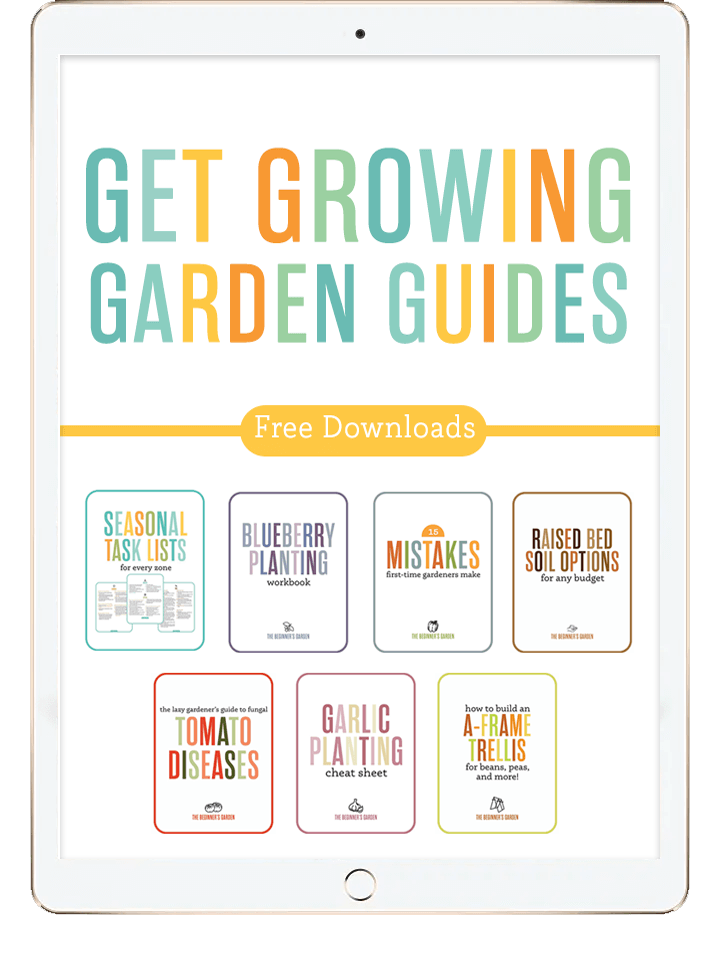
Each season matters. Here is a simple map.
- Spring. Prep soil, add compost, and plant cool-season crops. Cover tender plants if frost threatens.
- Early summer. Plant warm-season crops. Stake tomatoes. Mulch beds.
- Mid to late summer. Water deep. Harvest often. Remove dead leaves to improve air.
- Fall. Plant garlic and greens. Remove spent plants. Add leaves to beds.
- Winter. Clean tools. Plan next year. Order seeds.
Harvest at peak. Lettuce should be crisp. Tomatoes should have full color. Herbs taste best in the morning. These cycles are core to gardening basics for first time gardeners.
Tools and Budget
You do not need a shed full of gear. Start lean and add as you grow.
Beginner tool list:
- Gloves to protect your hands.
- Hand trowel for planting.
- Pruners for cuts and harvests.
- Watering can or hose with a spray head.
- Rake or hand cultivator for light soil work.
- A kneeling pad for comfort.
Set a starter budget. One raised bed, soil, compost, seeds, and simple tools can fit in a modest spend. I built my first 4×4 with cedar boards and bagged soil. It was not fancy, but it grew great salads.
Small Spaces and Container Gardening
No yard? You can still grow a lot. Containers are perfect for gardening basics for first time gardeners.
Follow these tips:
- Use large pots with drainage holes.
- Fill with high-quality potting mix, not yard soil.
- Water more often. Pots dry fast.
- Feed every two to four weeks with a gentle liquid feed.
- Grow bush or dwarf varieties. Try cherry tomatoes, peppers, herbs, and compact cucumbers.
- Go vertical. Use trellises and a sunny wall.
Balconies and patios can be very productive. A simple herb rail can change your cooking all year.
Common Mistakes To Avoid
I made these mistakes. You can skip them.
- Planting too early. Check frost dates and watch the forecast.
- Overwatering. Soggy roots suffocate. Let the top inch dry.
- Too many plants. Start with a short list and learn each crop.
- Ignoring soil. Poor soil means poor results. Add compost.
- Wrong light. Sun lovers need sun. Shade lovers need shade.
- Skipping mulch. Weeds explode in bare soil.
These notes may be the most valuable gardening basics for first time gardeners. Simple habits prevent most problems.
30-Day Quick Start Plan
Use this fast track to grow with confidence.
- Days 1–3. Map sun. Pick site. Choose setup and three to five crops.
- Days 4–7. Buy soil, compost, seeds, and tools. Build bed or set pots.
- Days 8–10. Fill bed. Mix in compost. Install mulch on paths.
- Days 11–14. Plant seeds and transplants. Label everything.
- Days 15–21. Water in the morning. Check soil with your finger. Spot weeds early.
- Days 22–24. Add stakes or cages. Top up mulch.
- Days 25–30. Light feeding if needed. Scout for pests. Replant any gaps.
By day 30, you will feel at ease with gardening basics for first time gardeners. Your plants will show new growth, and your routine will feel natural.
Frequently Asked Questions of gardening basics for first time gardeners
How much sun do vegetables need?
Most vegetables need six to eight hours of direct sun. Leafy greens and many herbs can grow with four to six hours.
What is the best soil for beginners?
Use a loose, well-draining mix with compost. Aim for pH 6.0 to 7.0 and add organic matter each season.
How often should I water a new garden?
Water when the top inch of soil is dry. In most cases, that means deep watering one to three times per week, in the morning.
When should I start planting in spring?
Plant cool-season crops as soon as soil can be worked. Wait to plant warm-season crops until after your last frost date and when nights are above 50°F.
What are the easiest plants for my first garden?
Start with lettuce, kale, bush beans, cherry tomatoes, basil, chives, marigolds, and zinnias. These plants are forgiving and give quick wins.
Do I need fertilizer in my first year?
Mix compost into the soil at setup, then use a gentle, balanced fertilizer if growth stalls. Avoid heavy feeding that can burn roots.
How do I stop pests without harsh chemicals?
Use mulch, proper spacing, and morning watering. Hand pick pests, spray aphids with water, and invite beneficial insects with flowers.
Conclusion
You now have a clear path to plan, plant, and care for a thriving first garden. Start small, match plants to your sun and season, build living soil, and keep a steady weekly rhythm. These are the core gardening basics for first time gardeners that I teach and use myself.
Pick your spot today, choose three easy crops, and take the first step. Your future self will taste the payoff. If this guide helped, subscribe for more weekly tips, or leave a comment with your garden goals and I will help you shape a plan.


