

Tool To Dig A Hole: Best Tools And Tips 2026
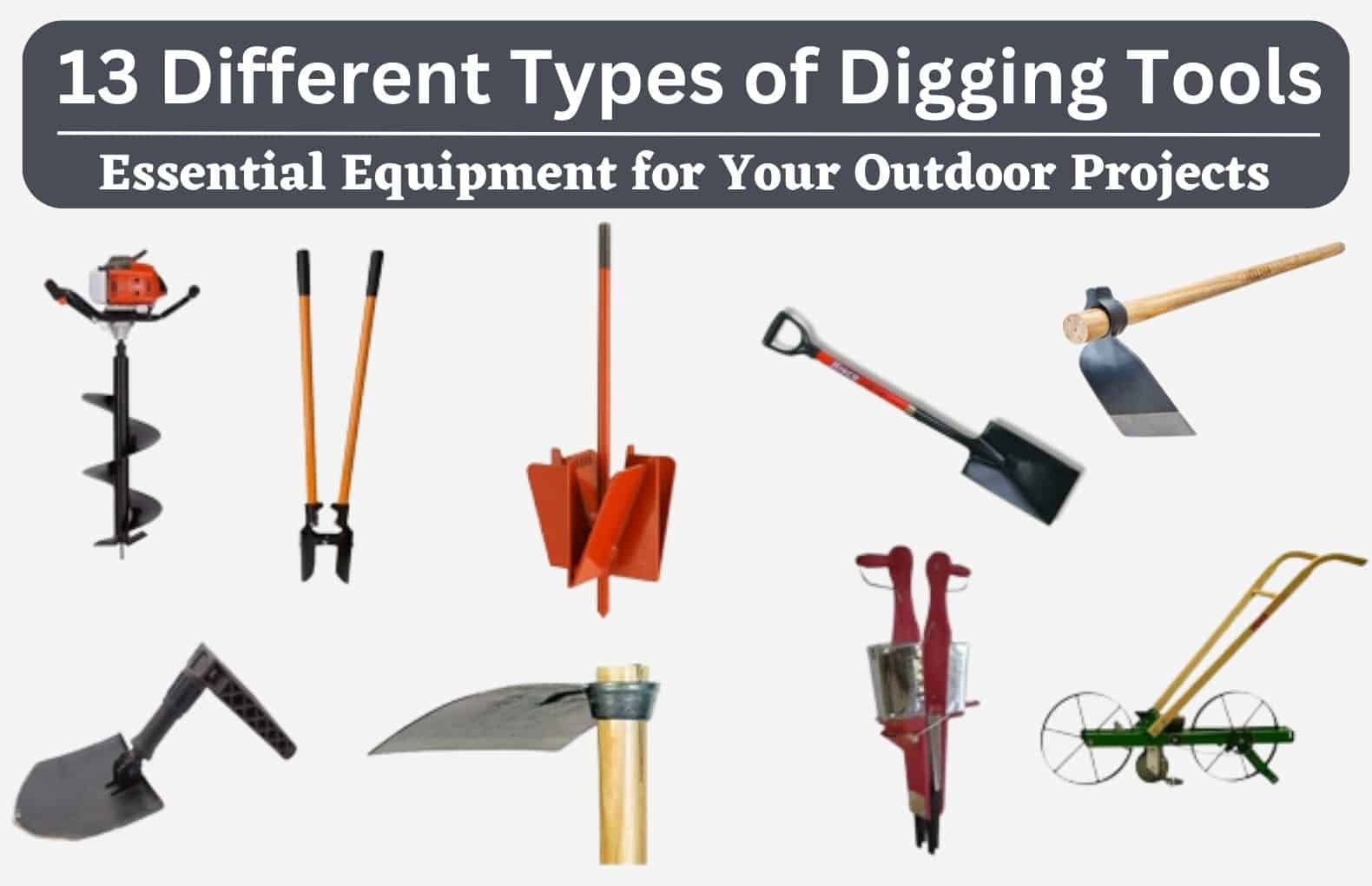
The best tool to dig a hole is a shovel, post hole digger, or auger.
I have dug hundreds of holes for fences, trees, patios, and drains. In this guide, I break down every tool to dig a hole, when to use it, and how to use it fast and safe. If you want a clean, round, and right‑size hole the first time, this article is your roadmap.
Choosing the right tool to dig a hole
The right tool to dig a hole depends on soil, depth, and width. You also need to consider roots, rocks, and access. Small garden work is fine with a shovel. Deep, narrow holes go faster with a post hole digger or auger.
Think about the job goal first. A tree needs a wide, shallow hole. A fence post needs a narrow, deep hole. A trench needs a long, narrow cut. Pick the tool to match shape, soil, and speed.
Here is a fast way to choose:
- Planting small plants or edging beds: Use a garden spade or trenching shovel.
- Planting trees or shrubs: Use a round point shovel and a mattock for roots.
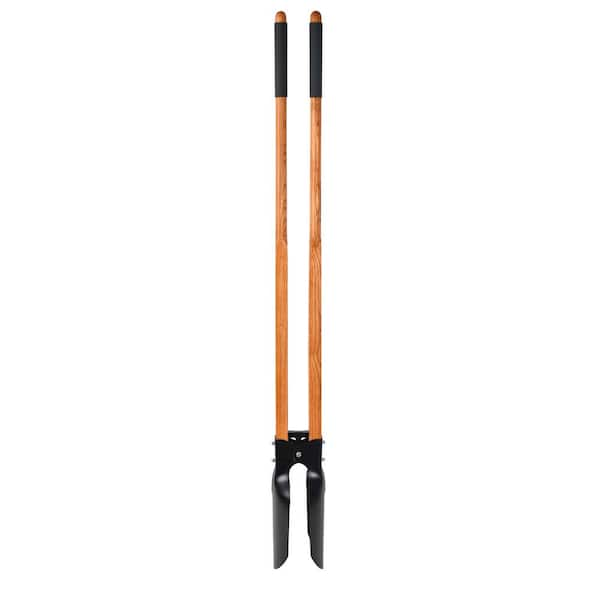
- Fence posts and deck footings: Use a post hole digger, digging bar, or power auger.
- Rocky or compacted ground: Use a digging bar, pickaxe, or mattock to break soil first.
- Sand or loose loam: Use a spade or manual auger for clean sides.
Manual tools you can trust
Manual tools are low cost and always start on the first pull. They are great for one‑off holes and tight spaces.
Key manual options:
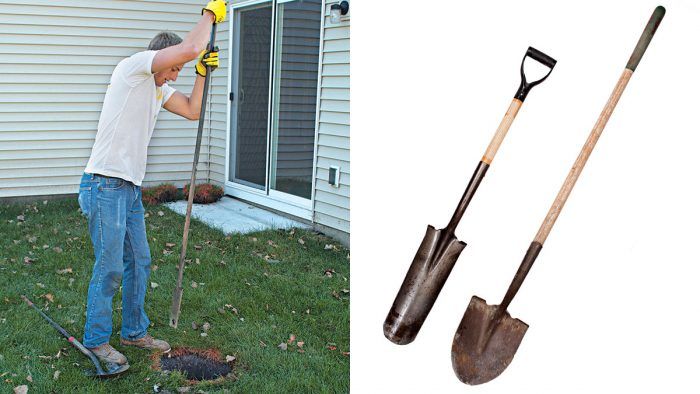
- Round point shovel: Best all‑around tool to dig a hole in mixed soil. Moves loose dirt well.
- Square spade: Cuts sod and makes clean edges. Ideal for beds and straight walls.
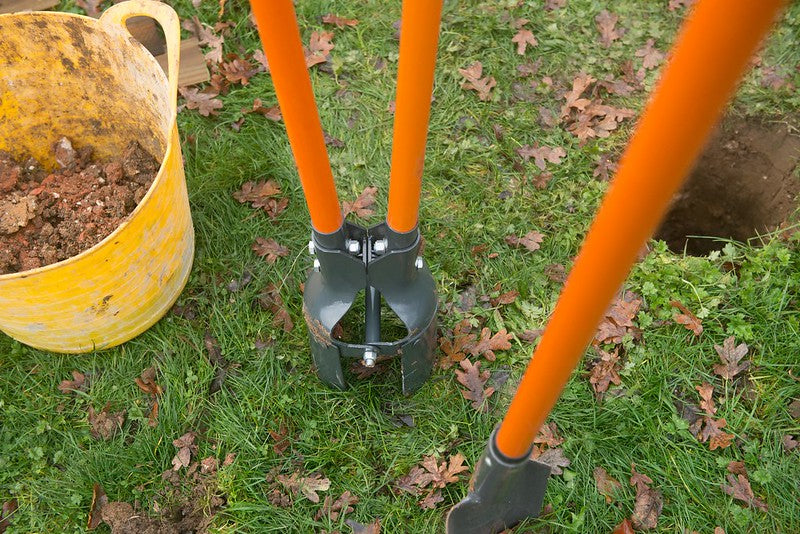
- Post hole digger (clam shell): Digs narrow, deep holes for posts. Works well in loam and clay.
- Digging bar: Breaks rocks, pries roots, and compacts post bottoms. Heavy but effective.
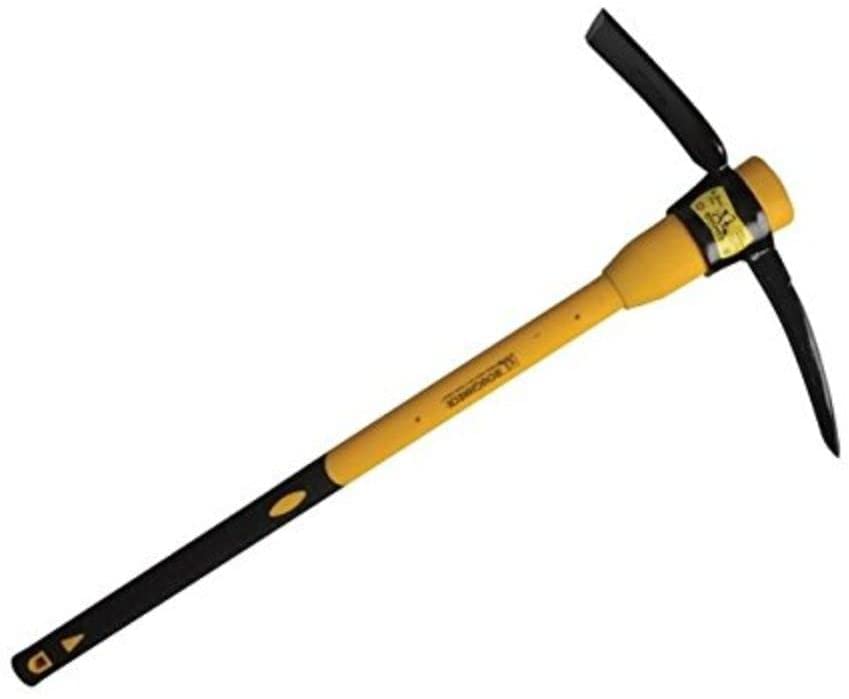
- Mattock or pickaxe: Cuts roots and hardpan. Use to loosen soil before shoveling.
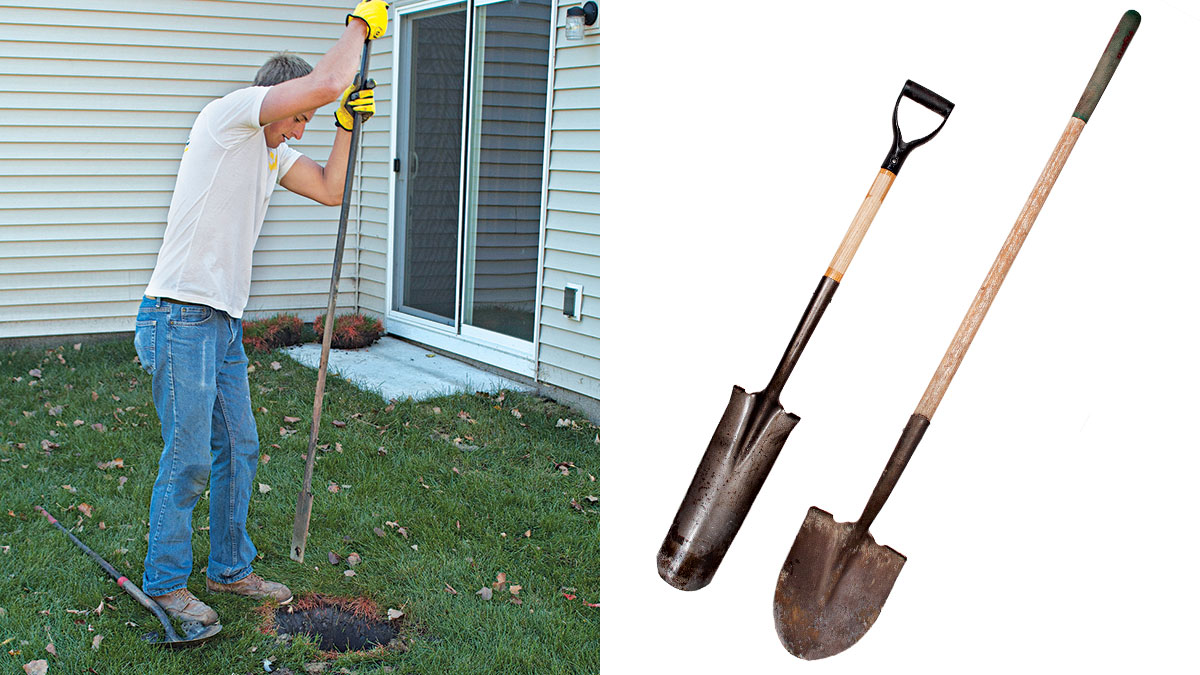
- Trenching shovel: Long, narrow blade for shallow trenches and drains.
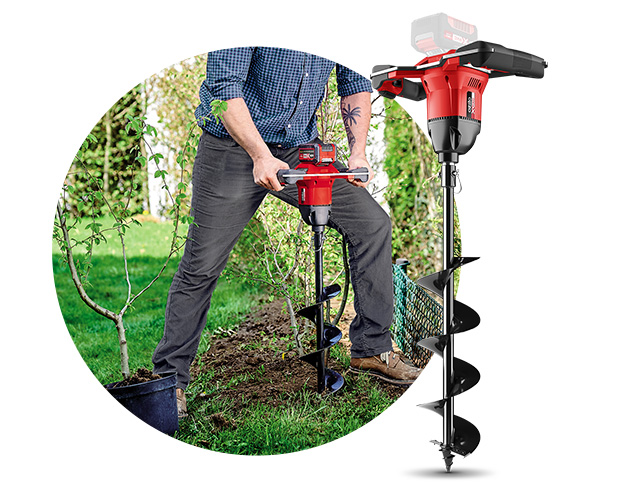
- Hand auger: Bores neat, round holes down to about 3 to 4 feet by hand.
My field note: In tight clay, I start with a mattock to break crust, switch to a post hole digger to pull spoil, then use the bar to square the bottom. That combo beats pure shovel work.

Power tools for speed and consistency
Power tools save time and labor on many holes or deep bores.
Common powered options:
- One or two‑person gas auger: Fast tool to dig a hole for posts. Good up to 12 inches wide and several feet deep.
- Electric or battery auger: Quieter and lighter. Good for yards and noise‑sensitive areas.
- Skid steer or mini excavator with auger: Best for many holes, large diameters, or tough soil. Needs access and skill.
- Mini excavator bucket: Great for large planting pits and trenches. Leaves wider holes.
Tips from jobsites:
- Use a pilot bit for accuracy. Then step up size if needed.
- In rocky fill, pre‑loosen with a bar. Augers can kick and bind.
- Use the auger to pull soil up slowly. Let it clear spoil with each lift.
Safety matters. Wear gloves, boots, eye and ear protection. Keep a firm stance. Use the throttle with care to avoid wrist strain.
Match the tool to soil and project
Soil decides the best tool to dig a hole.
Soil types and picks:
- Sandy soil: Spade or auger works fast. Support sides to prevent cave‑ins.
- Loam: Most tools work well. A post hole digger makes clean sides.
- Clay: Use a mattock or bar to break chunks. A clam shell removes the spoil.
- Rocky or gravel fill: Use a bar and pick first. Then switch to an auger or shovel.
- Rooty ground: Cut roots with a mattock or pruning saw. Then dig.
Project tips:
- Fence posts: Hole depth is one third of post length. Widen base slightly for a bell shape in frost zones.
- Trees and shrubs: Hole should be 2 to 3 times root ball width and only as deep as the ball.
- Drainage trenches: Keep a steady grade. Use a trenching shovel and a line level.
When in doubt, test dig a small pilot hole. That five‑minute test can save an hour.
Step-by-step: how to dig a hole like a pro
A simple plan makes any tool to dig a hole work better.
- Call before you dig: Contact 811 or your local utility locate service. Mark gas, electric, and water.
- Mark the spot: Use paint, stakes, and a string line. Note width and depth.
- Choose the tool: Match soil and hole type. Start light, move to heavier tools as needed.
- Break the surface: Slice sod with a spade. Loosen the first 6 inches.
- Dig in lifts: Remove soil in 4 to 6 inch layers. Keep sides straight.
- Manage spoil: Pile soil on a tarp. It keeps the site clean and speeds backfill.
- Check depth and plumb: Use a tape and level. Square the bottom for posts.
- Set and backfill: Add gravel for drainage if needed. Tamp in lifts with the bar.
- Clean up: Shape grade and water settle.
Pro move: In sticky clay, dust the post hole digger blades with dry soil or sand. It keeps clay from sticking.
Safety, ergonomics, and time planning
A safe setup makes any tool to dig a hole easier on the body.
- Wear PPE: Gloves, boots with toe protection, eye protection, and hearing protection for power tools.
- Lift smart: Keep the load close. Use legs, not back. Take short breaks.
- Watch for collapse: Wet sand and deep cuts can cave. Shore or widen as needed.
- Respect depth rules: Deep trenches need shoring by code. Post holes are narrow but still need care.
Time estimates I use:
- Shovel in loam, 12 inch by 24 inch hole: 15 to 25 minutes.
- Post hole digger in clay, 8 inch by 30 inch hole: 20 to 40 minutes.
- One‑man auger in loam, 9 inch by 36 inch hole: 2 to 5 minutes.

Care and maintenance for longer tool life
A well kept tool to dig a hole cuts faster and safer.
- Clean after use: Knock off soil and wash blades. Dry to prevent rust.
- Sharpen edges: File shovels, spades, and mattocks a few times per season.
- Oil and protect: Light oil on metal. Linseed oil on wooden handles.
- Check hardware: Tighten bolts and replace cracked handles.
- Store smart: Hang tools off the floor. Keep in a dry spot.
A sharp spade can cut work time by a third. It is the cheapest upgrade you can make.
Budgeting, buying, and rentals
Pick the best value tool to dig a hole for your job size.
- Buy for recurring use: A good shovel, spade, and mattock cover most yards.
- Rent for big jobs: Power augers and mini excavators cost less to rent than to buy.
- Consider blades and bits: Auger flights and bits wear. Factor parts into cost.
- Try before you buy: Grip the handle and test weight. Comfort matters over hours.
Approximate costs vary by region, but rentals often pay back in time saved on fences, decks, and long rows.
Mistakes to avoid and pro tips
Avoid these common errors with any tool to dig a hole.
- Skipping utility locates: One strike can be deadly and costly.
- Wrong hole size: Too narrow for posts or too deep for trees leads to failures.
- Ignoring soil: Clay needs breaking tools. Sand needs side support.
- Poor compaction: Loose backfill makes posts lean.
Field‑tested tips:
- Use a tarp for spoil. Cleanup is fast and tidy.
- Bell the bottom in frost zones for posts. It locks the footing.
- Keep water nearby. A splash can soften hard clay.
- Rotate tools. Break with a bar, scoop with a digger, shape with a spade.
Environmental and utility considerations
Responsible digging protects your yard and neighbors.
- Call 811 before any digging. Mark lines and stay the safe distance.
- Manage runoff and spoil. Keep soil off sidewalks and drains.
- Protect trees. Stay outside the critical root zone when possible.
- Backfill with native soil unless specs call for gravel or mix.
These steps keep you legal, safe, and on good terms with the city and your crew.
Frequently Asked Questions of tool to dig a hole
What is the fastest tool to dig a hole for fence posts?
A power auger is the fastest for most soils. In rocky or rooty ground, pre‑loosen with a digging bar first.
Can I use a shovel instead of a post hole digger?
Yes, but it is harder to keep the hole narrow and deep. A post hole digger keeps the sides clean and saves effort.
How deep should I dig for a 4×4 fence post?
Aim for at least one third of the post length below grade. In frost zones, go below frost depth and bell the base.
What tool works best in clay soil?
Use a mattock or pickaxe to break the clay, then a clam shell digger to remove it. A digging bar helps shape and compact.
Is an electric auger strong enough for hard ground?
It can be, but results vary by model and soil. In very hard or rocky ground, a gas auger or manual prep with a bar works better.
Conclusion
The best tool to dig a hole is the one that matches your soil, depth, and goal. Pick the right tool, follow a simple plan, and use smart safety habits. You will get clean holes, straight posts, and lasting work.
Ready to start your project today? Choose your setup, mark the spot, and dig with confidence. If this guide helped, share it, subscribe for more hands‑on tips, or leave a question and I will help you solve it.


