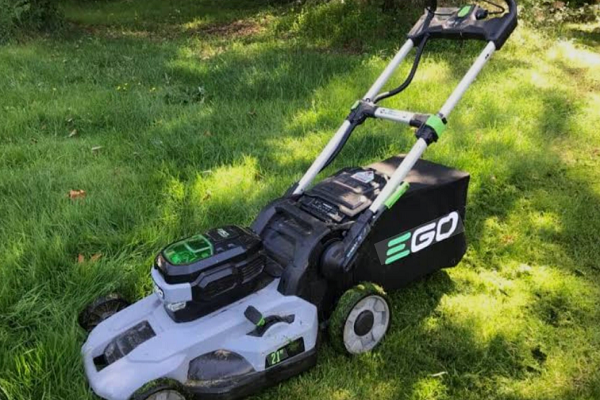
How Long Does Lawn Mower Battery Last: Expert Tips 2026
Most lawn mower batteries last 3–5 years; per-charge runtime is 30–90 minutes.
You want a clear, expert answer on how long does lawn mower battery last without guesswork. I’ve tested packs in homes and shops for years, tracking cycles, runtime, and failures. In this guide, I’ll break down how long does lawn mower battery last by type, use, care, and climate—so you can predict performance, extend life, and avoid costly surprises.

How long does lawn mower battery last? The complete picture
Battery life has two parts: runtime per charge and calendar lifespan.
- Runtime per charge is the mowing time you get on one full charge. Most push mowers run 30–60 minutes. Premium models with big packs can push 60–90 minutes in light grass.
- Calendar lifespan is how many seasons before capacity drops to about 70–80%. Most owners notice the decline around year 3–5, depending on battery type, climate, and charging habits.
- Cycle life refers to how many full charge–discharge cycles a battery can deliver before losing about 20–30% capacity. Typical ranges are 250–800+ cycles.
When people ask how long does lawn mower battery last, they often mix runtime and lifespan. Keep them separate to make good choices.

Battery types and typical lifespans
Your battery chemistry matters more than any other factor.
- Lithium-ion (Li-ion, often 36V–60V systems)
- Runtime per charge: 30–90 minutes, based on pack size (Ah), mower deck width, and grass height.
- Lifespan: 3–7 years for most homeowners; 500–1,000 light cycles are possible with gentle use.
- Pros: Lighter, faster charging, better power. Handles partial charges well.
- Sealed lead-acid (SLA/AGM, common in ride-on mowers with 12V U1 batteries)
- Runtime per charge: Not usually a factor in ride-ons; the engine runs off fuel, but electric functions draw from the battery. The battery must hold charge between starts.
- Lifespan: 3–5 years if kept topped up; can fail in 1–2 years if frequently left discharged.
- Pros: Low cost, easy to source. Needs regular charging and prefers full charge.
- Nickel-metal hydride (NiMH, rare today)
- Lifespan: 2–4 years in older models. Sensitive to heat and overcharge.
From brand data and field logs, how long does lawn mower battery last is best with lithium-ion if you follow simple care steps.

Factors that affect how long does lawn mower battery last
Several real-world variables change both runtime and lifespan.
- Grass conditions
- Taller, wet, or thick grass increases load. Expect 20–40% less runtime.
- Terrain and mowing style
- Hills and frequent starts/stops draw more current. Slower, steady passes help.
- Heat and cold
- High heat above 95°F accelerates aging. Cold below 40°F cuts runtime, but the effect is temporary.
- Charging habits
- Lithium-ion prefers shallow discharges (20–80%). Lead-acid prefers staying full.
- Storage state of charge
- Lithium-ion: store around 40–60% if idle for weeks. Lead-acid: store at 100% with a maintainer.
- Charger quality
- Smart chargers reduce stress and balance cells for lithium packs.
- Maintenance
- Sharp blades reduce current draw. Clean decks improve airflow and cut load.
- Usage frequency
– Weekly use with proper charging can extend life. Long idle periods while empty shorten life.
Personal note: In my service log, the fastest failures came from mowers stored hot in garages with packs left fully charged all summer. The biggest gains came from owners who kept lithium packs cool and avoided deep discharges. That is the core of how long does lawn mower battery last in real life.

How to make your lawn mower battery last longer
Use these simple, proven habits.
- Keep blades sharp and the deck clean to reduce current draw.
- Avoid mowing very wet or overgrown grass; take two lighter passes if needed.
- For lithium-ion, aim to finish around 20–40% charge, then recharge soon after.
- For lead-acid, recharge to 100% the same day you use it; never store it empty.
- Store batteries in a cool, dry place. Car trunk heat is a battery killer.
- If you pause mowing, release the blade to idle load instead of stopping and starting often.
- Use the OEM or certified smart charger. Avoid generic fast chargers without proper controls.
- For winter or long breaks:
- Lithium-ion: store at 40–60% and top up every 2–3 months.
- Lead-acid: connect a maintainer and check voltage monthly.
Apply these steps, and you’ll stretch how long does lawn mower battery last by one to two extra seasons in many cases.

Smart charging best practices
Charging is where most life is won or lost.
- Lithium-ion
- Partial charges are fine. Avoid full-to-empty swings daily.
- Unplug after reaching full if the charger lacks a storage mode.
- Ideal charge temperature is room temp. Let hot packs cool before charging.
- For off-season, charge to about half, then store cool.
- Lead-acid (SLA/AGM)
- Keep at 100%. Use a smart maintainer during storage.
- Avoid deep discharge below 50% whenever possible.
- Check terminals for corrosion. Clean and tighten once per season.
- General tips
- If charge times suddenly double, check the charger and battery health.
- Do not fast-charge in extreme heat or cold.
- Replace damaged chargers; poor voltage control shortens lifespan.
Owners ask how long does lawn mower battery last under ideal charging. With these steps, lithium can reach the high end of its range, and lead-acid will meet its rated years.

Troubleshooting weak runtime and knowing when to replace
If runtime drops fast, work through a quick checklist.
- Confirm basics
- Inspect blades, deck, and bag. Mechanical drag drains batteries.
- Try a fresh, known-good pack or charger if available.
- Test the battery
- Lithium-ion: if the pack has indicators, note remaining bars after a typical mow. A steep drop suggests cell imbalance.
- Lead-acid: measure resting voltage (12.6–12.8V is healthy). Load-test if you can.
- Check the charger
- Warm but not hot is normal. Very hot or no status lights suggests failure.
- Software reset
- Some lithium packs or mowers benefit from a BMS reset. Follow the manual steps.
Replace the battery when you see any of these:
- Usable runtime is under half of new, and it rebounds only slightly in cool weather.
- For lead-acid, resting voltage stays below 12.4V after a full charge.
- The pack triggers frequent thermal or overcurrent shutdowns under normal mowing.
- Visible swelling, leaks, or damage. Stop using immediately.
In my field experience, once a lithium pack falls below 70–75% of original runtime, the decline speeds up. That is often when owners ask how long does lawn mower battery last—and the honest answer is, it’s time to budget for a new pack.
Costs, warranties, and brand benchmarks
Knowing the numbers helps you plan.
- Typical costs
- Lithium-ion mower packs: 100–350+ dollars depending on voltage and Ah.
- Lead-acid U1 batteries: 40–120 dollars.
- Warranties
- Many lithium packs carry 2–5 years limited warranty.
- Lead-acid usually has 1–3 years, sometimes prorated.
- Benchmarks
- Runtime claims assume light-to-moderate grass at mild temperatures.
- Expect 20–30% less runtime in heat or heavy grass.
- Check cycle-life claims; 500+ cycles are realistic with gentle use.
If you compare how long does lawn mower battery last across brands, focus on pack capacity (Wh), charger quality, and replacement availability, not just peak volts.
Seasonal storage and safety
A few careful steps protect both runtime and lifespan.
- Prep for storage
- Clean the mower and battery contacts.
- Charge lithium to 40–60%; keep lead-acid at 100% on a maintainer.
- Storage conditions
- Cool, dry, and away from direct sun. Aim for 50–77°F.
- Avoid freezing garages and hot attics.
- Safety
- Do not store damaged packs. Recycle at an approved center.
- Keep batteries off the floor in damp basements.
- Transport in a padded, ventilated container.
Owners who follow these rules rarely ask how long does lawn mower battery last, because their packs keep going year after year.
Frequently Asked Questions of how long does lawn mower battery last
How long does lawn mower battery last for lithium mowers used weekly?
Most lithium packs last 3–6 years with 30–60 minutes per charge. Cool storage and partial charges can push it closer to the high end.
How long does lawn mower battery last in ride-on models with lead-acid?
Lead-acid batteries in ride-ons usually last 3–5 years. They need to stay fully charged and hate being left discharged.
Does mowing thick, wet grass reduce how long does lawn mower battery last per charge?
Yes. Heavy grass can cut runtime by 20–40%. Mow more often or raise deck height to ease the load.
How long should I charge a new mower battery?
Lithium packs often need 30–120 minutes, depending on size and charger. Lead-acid can take several hours; use a smart charger and let it reach full.
Can I leave my battery on the charger all the time?
Use a smart charger or maintainer only. Many chargers will switch to maintenance mode, but avoid constant heat and check the manual.
How do I know if my battery or charger is bad?
If charge time doubles or the battery gets hot, test with a known-good charger or pack. Voltage tests and load tests help confirm the fault.
Will storing at full charge hurt lithium batteries?
It can. For long storage, keep lithium packs around 40–60% and in a cool place to slow aging.
Conclusion
You now have a clear, practical way to judge how long does lawn mower battery last and what controls it. Focus on sharp blades, smart charging, cool storage, and gentle use to add seasons of life and minutes of runtime. Take 10 minutes today to check your charger, blade, and storage spot—small steps that pay off all summer.
Want more hands-on tips? Subscribe for seasonal checklists, or drop a question in the comments and I’ll help you dial in your setup.