

Lawn Soil Vs Garden Soil: 2026 Guide To Choosing Right
Lawn soil is denser for turf roots; garden soil is richer and looser for beds.
You want a thick, green lawn and lush garden beds, but your results fall flat. The grass looks thin, and vegetables stall. The fix may be as simple as choosing the right soil. The lawn soil vs garden soil debate matters more than you think. Lawn mixes favor drainage and turf health. Garden mixes pump in organic matter and nutrients. In this guide, I’ll break down the differences in plain English and review top picks you can buy today. I’ll also show you how to match each product to your needs, so you stop guessing and start growing.
Scotts Organic Top Soil, 0.75 cu ft

This is a simple, dependable topsoil for patching, leveling, and light bed building. It has a stable texture that fills low spots without turning to sludge. I like it for reestablishing turf after winter or pet damage. It blends well with existing native soil, so results look natural and smooth.
For lawns, use a thin layer to top-dress and seed. For gardens, mix it with compost for nutrient lift. It is not a high-fertilizer product, which is good for controlled growth. Water flows through without pooling, which keeps roots healthy.
Pros:
- Reliable texture for lawn patching and top-dressing
- Blends well with native soil
- Good for leveling uneven spots
- Won’t turn gummy when wet
- Low salt risk for turf and shrubs
Cons:
- Not nutrient-dense for heavy-feeding crops
- Bag size may be small for large jobs
- May need compost added for gardens
My Recommendation
Choose this if your main goal is lawn repair, light leveling, or blending bare patches. In the lawn soil vs garden soil debate, this leans “lawn” thanks to its stable body and easy grading. For vegetable beds, pair it with a compost or manure blend. It’s a safe, go-to base layer that won’t shock roots.
| Best for | Why |
|---|---|
| Lawn patching and top-dressing | Even texture and easy leveling |
| Filling low spots | Holds grade without compacting too hard |
| Base for garden beds | Neutral base to mix with compost |
Miracle-Gro Organic Outdoor Potting Mix, 16 qt

This OMRI-listed potting mix is built for outdoor containers, herbs, and flowers. It has a light, airy structure that helps roots breathe. There’s quick-release natural fertilizer to kickstart growth. I find it ideal for balcony planters and patio pots.
Drainage is fast, so you avoid root rot in rainy spells. It’s not a topsoil, so I don’t use it for lawn leveling. In raised beds, you can blend it with compost or topsoil to tune moisture. It’s a clean, ready-to-use growing media for potted plants.
Pros:
- Organic and OMRI listed
- Great aeration for container roots
- Quick-release nutrients for early vigor
- Lightweight and easy to handle
- Reduces risk of soggy pots
Cons:
- Not designed for lawns or in-ground fill
- Nutrients may run out sooner than slow-release blends
- Higher cost per quart than bulk topsoil
My Recommendation
Pick this if you grow herbs, flowers, or veggies in containers. In lawn soil vs garden soil terms, it sits squarely in the “garden container” camp. It delivers strong early growth and simple use. For long seasons, add a slow-release organic fertilizer later.
| Best for | Why |
|---|---|
| Outdoor containers | Airy texture and fast drainage |
| Herb and flower pots | Quick nutrient boost for blooms |
| Raised bed top layer | Light mix improves root oxygen |
Michigan Peat Garden Magic Top Soil, 40 lb

This is a classic topsoil blend that supports lawns and garden beds. It has enough organic matter to improve structure. The texture is fine, which helps with even seeding and smooth raking. I like it as a base layer for fresh beds or for filling ruts.
For turf, spread thinly to avoid smothering grass. For vegetables, mix with compost or manure to raise fertility. Its steady body helps prevent runoff. It is a practical, budget-friendly bag for larger jobs.
Pros:
- Versatile for lawns and gardens
- Even texture for seeding
- Helps reduce runoff and erosion
- Good value in 40 lb size
- Blends well with amendments
Cons:
- Not a high-nutrient product alone
- May compact if used too thickly
- Bag weight can be heavy to move
My Recommendation
Use this when you need a dependable base for both lawn and beds. In the lawn soil vs garden soil choice, it plays the middle. Add compost for crops and spread thin for turf. It’s a solid pick when you want one product to do a few jobs.
| Best for | Why |
|---|---|
| Seeding repair | Fine texture supports seed-to-soil contact |
| Base for new beds | Stable foundation for amendments |
| Small grading tasks | Holds shape and reduces ruts |
Michigan Peat Compost & Manure Blend, 40 lb

This blend adds organic matter and gentle nutrients to tired soil. It is designed to improve structure, water-holding, and microbial life. I use it to boost vegetable beds and flowering borders. It is a safer way to feed soil than high-salt synthetic inputs.
For lawns, rake in a very thin layer during core aeration. For gardens, mix 1–2 inches into the top 6–8 inches of soil. It helps sandy soil hold water and loosens heavy clay. Your plants will show deeper color and better resilience.
Pros:
- Improves soil biology and structure
- Gentle, steady nutrient release
- Helps sandy or clay soils perform better
- Odor is controlled for easy use
- Great amendment for vegetables and blooms
Cons:
- Not a stand-alone topsoil
- Can be too rich if used thick on turf
- May require repeat applications for poor soils
My Recommendation
Pick this for garden beds that need a boost. In lawn soil vs garden soil terms, this is a “garden amendment” that pairs with topsoil. Use it to enrich beds before planting. On lawns, keep it light and time it with aeration for best results.
| Best for | Why |
|---|---|
| Vegetable beds | Builds organic matter and fertility |
| Flower borders | Supports vigorous growth and blooms |
| Clay or sandy soils | Corrects texture and water balance |
Burpee Organic Potting Mix, 9 qt

This organic potting mix is tuned for herbs, vegetables, and flowers in pots. It has a soft, spongy structure that makes watering easy. I like it for seed starts, small planters, and indoor-to-outdoor transplants. It’s a clean mix that avoids clumps and compaction.
Nutrients are balanced for early growth, but you may add a slow feed later. For best results outdoors, ensure your pots drain fast after rain. This is not a lawn mix, and it is not for in-ground filling. It shines when roots need air and steady moisture.
Pros:
- Organic ingredients for clean starts
- Ideal for herbs and small veggies
- Holds moisture without waterlogging
- Easy to handle and mix
- Great for indoor seed starting
Cons:
- Bag is small for big projects
- Needs added nutrition mid-season
- Not for turf or ground leveling
My Recommendation
Get this if you focus on potted herbs or compact veggies. In the lawn soil vs garden soil conversation, this lands firmly on the potting-soil side for gardens. It offers a friendly texture that supports tender roots. Feed later in the season to keep plants thriving.
| Best for | Why |
|---|---|
| Herb planters | Light, airy media roots love |
| Seed starts | Fine texture for young roots |
| Small container veggies | Balanced moisture control |
Back to the Roots Organic Coir, 51 qt

This expanding coir is a smart, sustainable base for potting and seed starting. Add water, and it grows to fill large volumes. It has great water-holding with good airflow. I use it to lighten heavy mixes or craft custom blends.
Coir is inert, so add compost or fertilizer for nutrients. It is great for hydroponic-style blends, houseplants, and starts. In raised beds, mix coir with compost and topsoil to tune drainage. It is not a direct lawn top-dress, but it can help sandy beds hold moisture.
Pros:
- Expands to a large volume
- Eco-friendly peat alternative
- Strong moisture retention and aeration
- Clean and low salt (rinse if needed)
- Great for seedlings and custom mixes
Cons:
- No nutrients by itself
- Not intended for lawn grading
- Must monitor pH and feeding
My Recommendation
Choose this if you like to mix your own potting soil or start many seeds. In lawn soil vs garden soil terms, this is a garden media component, not a finished lawn product. Blend it with compost and perlite for a great container mix. It stretches your budget while keeping roots happy.
| Best for | Why |
|---|---|
| Seed starting | Soft, even texture holds moisture |
| Custom potting blends | Adjusts drainage and aeration |
| Raised bed moisture control | Improves water holding in sandy soil |
Miracle-Gro Potting Mix, 16 qt (2-Pack)

This is a popular all-purpose potting mix that feeds for up to six months. It works well for flowers, veggies, and shrubs in containers. The texture drains well and prevents compaction. I like it when I need easy, consistent results fast.
It is not organic, but it’s reliable for strong growth. For long seasons, I still watch watering and top up food near the end. It is not designed for lawns or heavy in-ground fill. Think of it as the go-to mix for planters that pop.
Pros:
- Feeds up to six months
- Good drainage and structure
- Works for many plant types
- Great value in a 2-pack
- Trusted, consistent performance
Cons:
- Not organic-certified
- Not for turf applications
- May need extra food for heavy feeders
My Recommendation
Buy this if you want plug-and-play container success. In the lawn soil vs garden soil discussion, this is a “garden potting mix” with built-in nutrition. It is simple, tidy, and forgiving. Great for busy growers who want color and harvests without fuss.
| Best for | Why |
|---|---|
| Flower planters | Steady feeding for blooms |
| Vegetable pots | Balanced mix prevents soggy roots |
| Quick setup | Ready to use out of the bag |
Miracle-Gro Organic Outdoor Mix, 16 qt (2-Pack)

This 2-pack doubles down on the OMRI-listed outdoor potting mix. It’s light, drains well, and gives a quick natural nutrient kick. I use it for larger planters and mixed containers. It is a low-mess, high-result choice for organic-focused growers.
If your climate is wet, you’ll appreciate the airflow in this media. It is not for lawns, and it’s not meant to fill holes. In garden beds, blend it with compost and mineral topsoil for balance. It keeps roots active and happy through the season.
Pros:
- OMRI-listed organic formula
- Lightweight and high-drain
- Great for big patio planters
- Fast early growth from natural nutrients
- Good value as a 2-pack
Cons:
- Not suitable for turf leveling
- May need extra feed mid-season
- Higher cost than bulk soil
My Recommendation
Choose this if you want organic potting soil for many containers at once. In lawn soil vs garden soil language, it’s for garden containers only. It is clean and consistent, which saves time. Add a slow-release organic fertilizer halfway through the season for best yields.
| Best for | Why |
|---|---|
| Organic container gardens | OMRI-listed for peace of mind |
| Large patio pots | Drains fast and stays airy |
| Quick setup for many planters | 2-pack covers more containers |
Baccto Top Soil by Michigan Peat, 50 lb
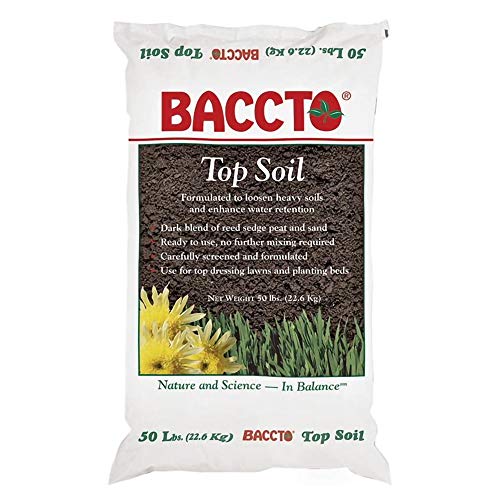
This heavy 50 lb bag is meant for lawns, beds, and transplant zones. It offers a stable, even blend that supports root contact. I like it for building a base in new beds or for larger lawn repairs. It compacts enough to hold grade without turning brick-hard.
Use it thinly on turf to avoid smothering. For trees and shrubs, use it to backfill mixed with native soil. It won’t supply all nutrients, so amend for gardens that feed heavy. It’s a workhorse topsoil that helps projects look finished and clean.
Pros:
- Great for lawns and transplant work
- Holds grade for a polished finish
- Consistent texture reduces clods
- Works well with compost additions
- Large bag suits bigger jobs
Cons:
- Not a high-fertility soil
- Heavy to carry and spread
- Use sparingly on turf to avoid thatch
My Recommendation
Pick this for serious lawn patching and sturdy bed building. In lawn soil vs garden soil terms, it’s a solid “lawn-grade topsoil” that also supports beds with the right amendments. It gives you pro-looking grades and edges. Add compost for crops, and you’ll get a strong base with lasting structure.
| Best for | Why |
|---|---|
| Lawn leveling and repair | Stable body that grades well |
| Tree and shrub backfill | Blends with native soil easily |
| New garden bases | Durable foundation for amendments |
Miracle-Gro Garden Soil for Flowers, 1.5 cu ft
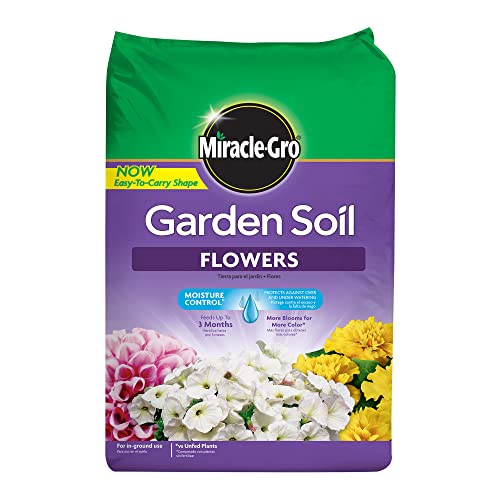
This garden soil is made for in-ground flower beds. It includes nutrients to improve bloom color and count. The texture blends well with native soil to lift structure. I like it for borders and foundation plantings.
Do not use in containers; it is for in-ground use only. For best results, mix it 50/50 with your native soil. It is not a lawn top-dress, though you can use it around shrubs. It’s a quick way to energize flower beds for a strong display.
Pros:
- Formulated for blooms
- Mixes well with native soil
- Improves color and vigor
- Great volume per bag
- Easy to spread in beds
Cons:
- Not for container use
- Not for lawns or grading
- May need mulch to hold moisture
My Recommendation
Buy this for in-ground flower beds that need a lift. In the lawn soil vs garden soil frame, this is a “garden soil” with bloom-focused nutrition. Mix with your native soil for even results. Add mulch on top to seal in water and keep roots cool.
| Best for | Why |
|---|---|
| In-ground flowers | Targeted nutrients for blooms |
| Foundation beds | Blends smoothly with native soil |
| Seasonal color beds | Fast, visible improvement |
Lawn Soil vs Garden Soil: What Really Changes?
Here is the short version. Lawn soil is lean and stable. Garden soil is richer and softer. Turf roots are shallow and dense. They need even grading, steady drainage, and modest food. Garden plants need deeper nutrition, more organic matter, and looser texture.
When I advise clients, I sort by end use. For lawns, I favor screened topsoil or sandy loam. I keep organic matter lower to avoid thatch. For gardens, I add compost or composted manure and test the pH.
Use lawn soil to level, seed, and support turf health. Use garden soil or potting mixes to grow flowers, herbs, and veggies. This lawn soil vs garden soil split keeps plants happier and maintenance lower.
How to Choose the Right Soil Mix (Simple Steps)
1) Define your goal. Is it turf repair, new beds, or containers? Match the soil to the task. 2) Check drainage. For lawns, water should not pool. For gardens, you want moist but airy soil. 3) Look at texture. Topsoil should grade well. Garden mixes should crumble easily.
4) Consider nutrients. Lawns prefer moderate feeding. Vegetables and flowers often want richer soil. 5) Think pH. Most turf and garden plants like 6.0–7.0. Test and adjust with lime or sulfur if needed. 6) Start small. Trial a bag in one area, then scale up.
These steps cut guesswork. They help you make the right lawn soil vs garden soil call for your yard.
Common Mistakes I See (And How to Avoid Them)
– Using potting mix to fill lawn depressions. It floats, settles, and creates bumps. Use topsoil for lawns. – Dumping thick layers of rich garden soil over turf. That smothers grass. Top-dress lawns in thin passes.
– Filling raised beds with topsoil only. That can be heavy and low in air space. Blend topsoil, compost, and aeration material. – Planting flowers in lawn soil without amendments. Blooms will be weak. Add compost or a flower-focused garden soil.
– Ignoring pH and drainage. Fix these first, then feed. Right structure beats extra fertilizer every time.
FAQs Of lawn soil vs garden soil
What is the main difference between lawn soil and garden soil?
Lawn soil is stable and lower in organic matter for turf health. Garden soil has more organic matter and nutrients for deeper-rooted plants.
Can I use garden soil on my lawn?
Use sparingly. Rich garden soil can smother grass and build thatch. For lawns, use screened topsoil and apply thinly.
Is potting soil the same as garden soil?
No. Potting soil is soilless and very airy for containers. Garden soil is for in-ground use and blends with native soil.
How do I fix clay soil in my garden beds?
Mix in compost or composted manure. Add coarse material for drainage. Avoid working clay when it’s wet.
What pH is best for lawns and gardens?
Most lawns and garden plants like 6.0–7.0. Test yearly and adjust with lime or sulfur as needed.
Final Verdict: Which Should You Buy?
Lawn projects need screened, stable topsoil for smooth grades and steady drainage. Garden projects need richer, looser soil with compost for growth.
If you’re torn on lawn soil vs garden soil, decide by use. Level and seed? Choose topsoil. Plant flowers or veggies? Choose garden or potting mixes with compost.


