How Do You Use A Leaf Blower: Pro Tips And Safety Guide
Start on low, aim shallow, work with the wind, and move debris into neat piles.
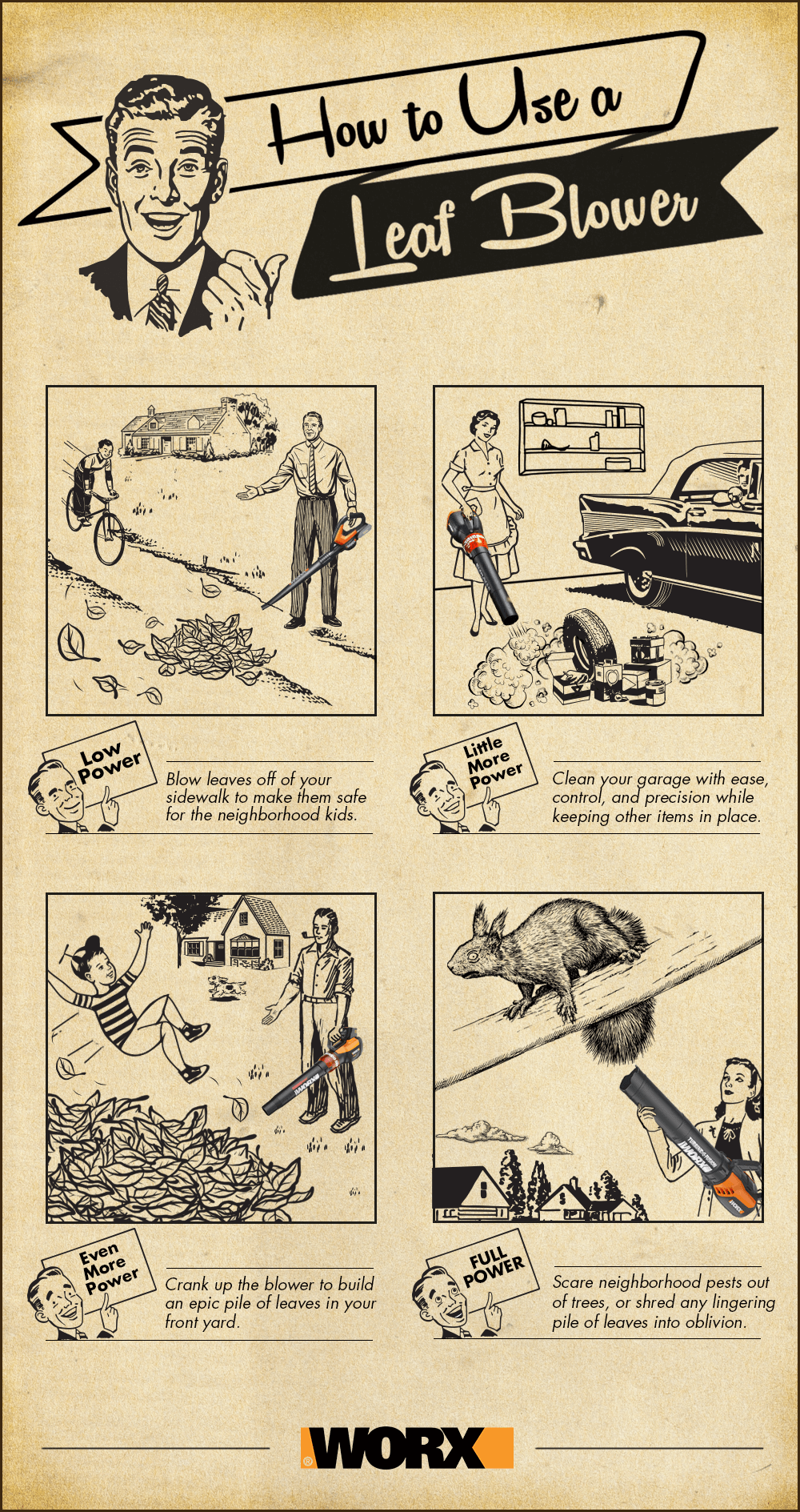
If you have ever asked, how do you use a leaf blower, you are not alone. I have used every style for years, and I will show you how do you use a leaf blower the right way, step by step, with pro tips, safe habits, and clear results.
Safety First and Smart Setup
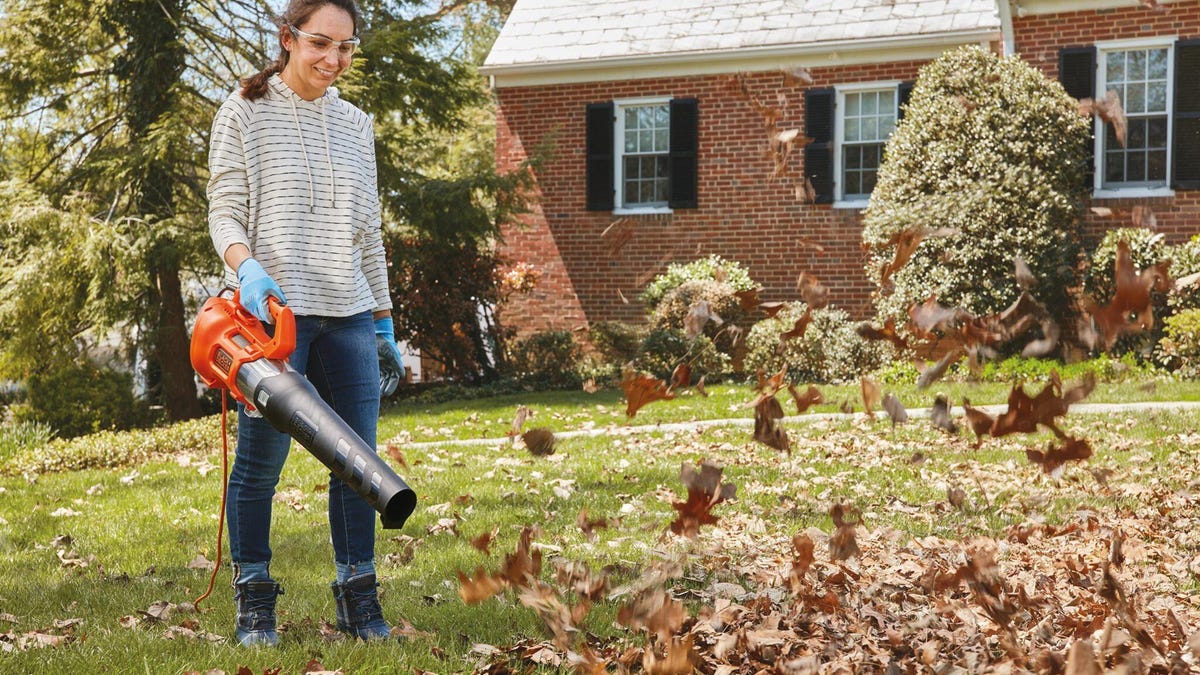
Before we answer how do you use a leaf blower on your lawn, suit up. Wear safety glasses, ear protection, gloves, long pants, and closed shoes. Check local rules on noise and hours. Keep kids and pets inside.
Do a quick tool check. Ensure the nozzle is tight. Verify the guard is in place. For corded units, use a heavy-duty outdoor cord. For gas models, inspect the fuel lines and the air filter. For battery units, confirm the pack is locked in and charged.
Use hearing protection. Most blowers range from about 65 to 100 dB. Long use without protection can harm hearing. Keep the nozzle low and away from people and cars.
Understand Your Leaf Blower: Types, Power, Specs
Knowing the tool matters when you ask how do you use a leaf blower well. Pick the right type for your yard and debris load.
Main types:
- Cordless handheld. Light, quiet, easy to start. Great for patios and small yards.
- Corded electric. Steady power, no charging. Best if outlets are handy.
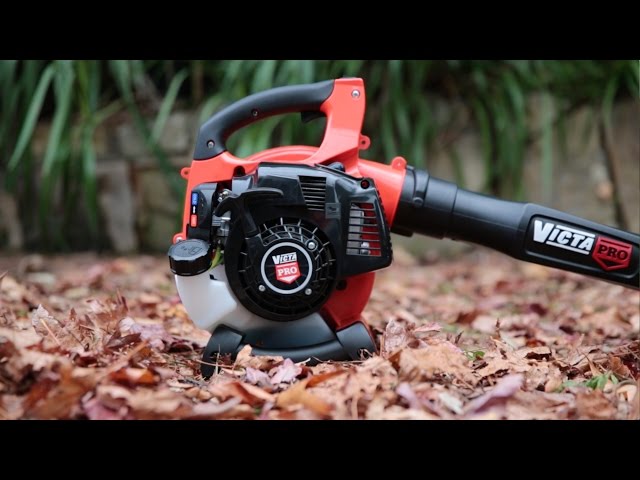
- Gas handheld. Strong power for larger lots. Heavier and louder.
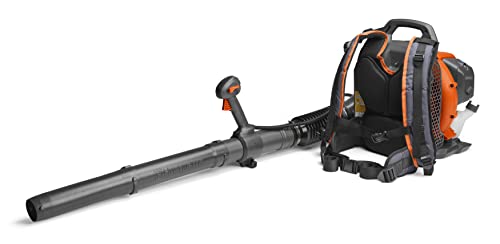
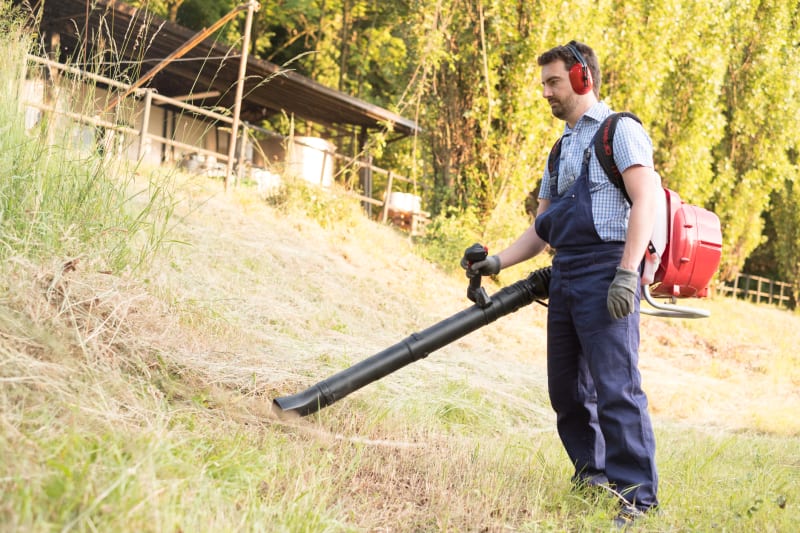
- Backpack gas. Very strong for big jobs. Better balance, but more noise.
- Walk-behind. For large, open areas. Moves huge volumes fast.
Key specs:
- CFM (cubic feet per minute). Tells you how much air moves. More CFM moves more leaves.
- MPH (miles per hour). Tells you air speed. More MPH helps lift stuck debris.
- Variable speed and cruise control. Helps you tune power and save energy.
- Nozzles. Flat tips push leaves far. Round tips lift heavier debris.
Pick power for the job. Light work needs less. Wet leaves and nuts need more. Balance power with weight and runtime.
Prep the Area Before You Start
Good prep is half the answer to how do you use a leaf blower. Walk the area and pick up stones, sticks, and toys. These can turn into projectiles. Park cars in the garage or far from the work zone.
Plan where piles will go. Choose downwind corners. Set tarps nearby so you can drag piles to the bin. Close doors and windows to keep dust out.
If leaves are soaked, let them dry a bit. Morning dew can make work slow. A brief wait can cut your time in half.

Step-by-Step: Use a Leaf Blower Like a Pro
This is the core of how do you use a leaf blower. Follow these simple steps.
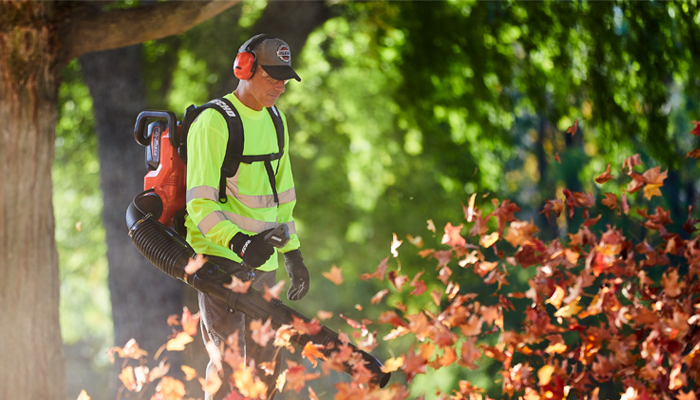
- Start on low power. Hold the nozzle a little above the ground. Aim at a shallow angle, about 30 degrees.
- Work with the wind at your back. Move leaves in one direction only. Do not swirl them around.
- Use a grid pattern. Blow in rows. Overlap each pass. Push debris toward a target pile or tarp.
- Raise power only when needed. Use short bursts to free stuck leaves. Then go back to low to move volume.
- Keep the nozzle close, not high. Air is stronger near the ground. This saves time and battery or fuel.
- Form small piles as you go. Merge them later. Small piles are easier to control.
- Stop and bag or mulch as piles grow. Big piles blow apart fast.
Personal tip: I set a “home base” tarp in a corner. I feed rows into that point. This keeps me from chasing leaves all day.
Techniques for Different Surfaces and Conditions
Here is how do you use a leaf blower when surfaces change.
On grass:
- Use medium power. Keep the nozzle low.
- Skim the top to roll leaves forward.
- For tall grass, tilt the nozzle to lift leaves over the blades.
On driveways and walks:
- Use a flat nozzle. Low angle.
- Sweep edges first, then center.
- Clear cracks with a short, strong burst.
In beds and mulch:
- Drop power to low. Feather the trigger.
- Stand back. Let soft air move leaves off plants.
- Work from the bed out to the lawn.
Wet leaves:
- Use more MPH and a round tip.
- “Peel” the top layer, then roll the rest.
- Take breaks to avoid clogging the tip.
Pine needles and nuts:
- Use a flat nozzle and medium power.
- Work slowly. Make tight windrows.
Light snow and dust:
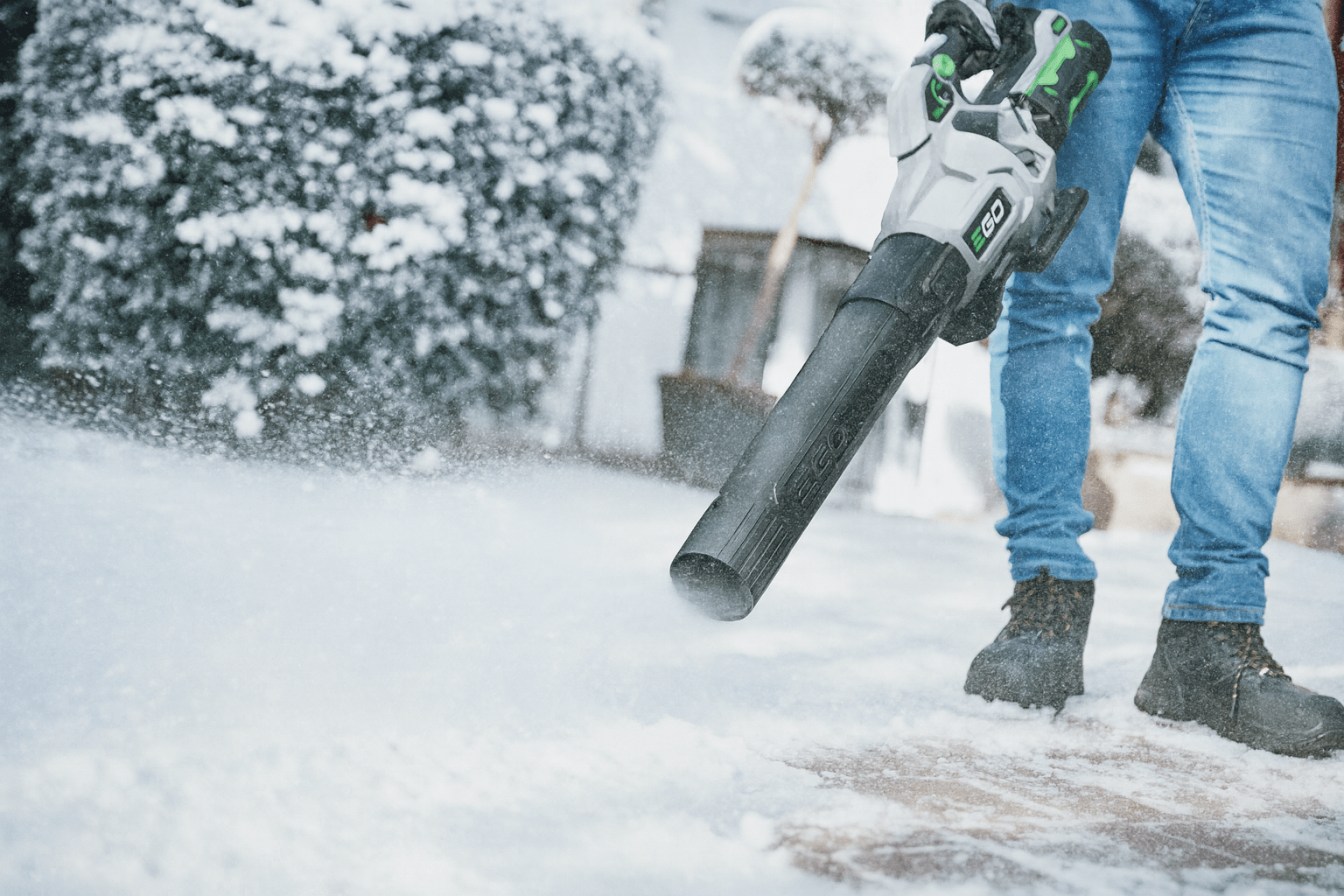
- Low power on decks and cars. Keep distance.
- Do not blow into the street.
Attachments, Accessories, and Special Tasks
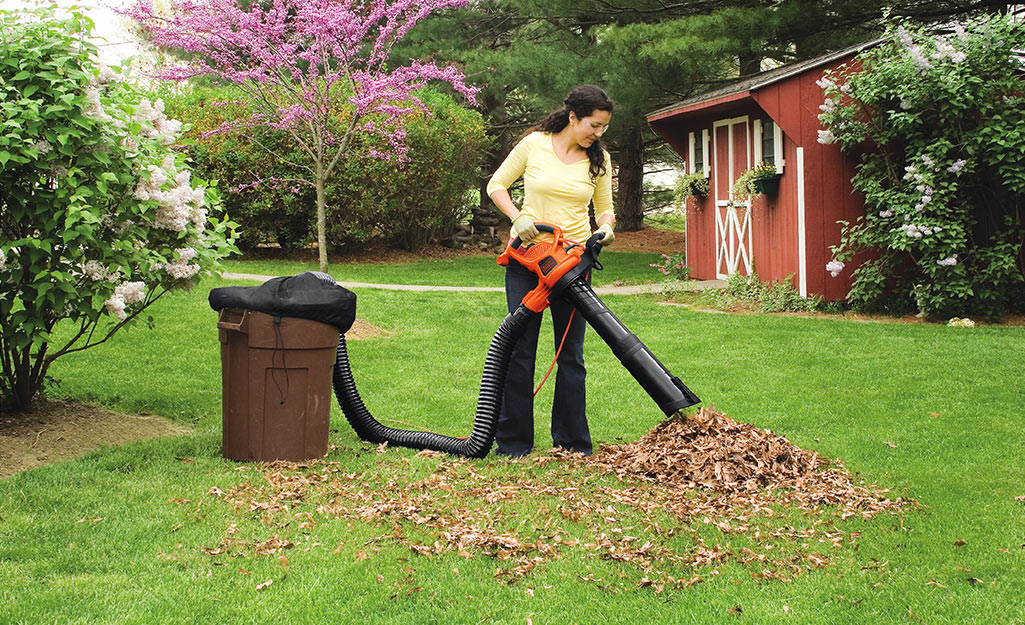
Many people ask how do you use a leaf blower to vacuum leaves. Some tools convert to a vac and mulcher. Use the collection bag and the mulching impeller to reduce volume.
Helpful add-ons:
- Gutter kits. Let you clean gutters from the ground. Move slowly to avoid clogs.
- Flat and concentrator tips. Swap to match the job.
- Shoulder straps. Reduce fatigue on handheld units.
- Extra batteries or fuel can. Extend work time in big yards.
Special tasks:
- Aeration plugs. Dry them first, then use medium power to clear.
- After mowing. Blow clippings back onto the lawn or into beds for mulch.
- Garage cleaning. Start at the far wall and blow out, door open.
Post-Blow Cleanup and Care
Part of how do you use a leaf blower is cleaning up after. Bag, compost, or mulch your piles. Wet the pile a bit if wind picks up.
Care tips:
- Wipe dust from the tool and vents.
- Check and clean the air filter on gas units.
- Inspect and charge batteries at room temp.
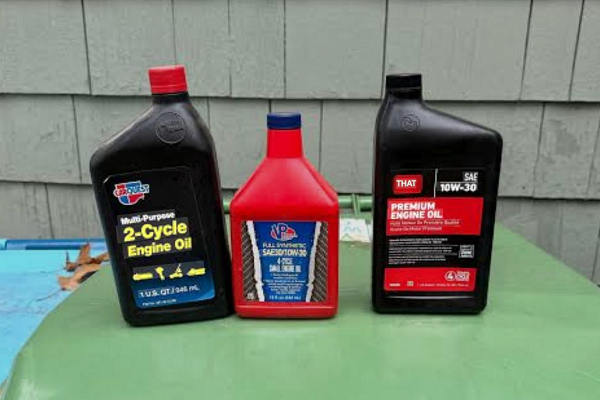
- For gas, use fresh fuel and the right oil mix. Do not store with old fuel.
Storage:
- Keep dry and off the floor.
- Coil cords loosely.
- In winter, drain gas or use stabilizer.
Troubleshooting and Mistakes to Avoid
If it feels weak, you may wonder how do you use a leaf blower to move wet mats. Often, the issue is setup or technique.
Common mistakes:
- Blowing against the wind. Always work with it.
- Holding the nozzle too high. Stay low and shallow.
- Using max power all the time. It wastes energy and makes dust.
- Making a giant pile too soon. Build small piles first.
Quick fixes:
- Clean the nozzle and vents.
- Charge or swap the battery.
- Replace fuel, spark plug, or air filter on gas models.
- Slow down and adjust angle for heavy debris.

Etiquette, Rules, and Environmental Tips
Some towns limit when and how do you use a leaf blower. Check local rules on hours, noise, and gas bans. Be a good neighbor. Work mid-morning or early evening, not at dawn.
Reduce impact:
- Use the lowest power that does the job.
- Avoid blowing dust into streets or drains.
- Mulch leaves into beds when you can.
- Choose battery models for lower noise and zero fumes on-site.
I set a simple rule at home. If windows are open next door, I wait. The job still gets done, and everyone stays happy.
Buying and Upgrading Guide
When friends ask me how do you use a leaf blower without fatigue, I suggest picking the right match for yard size.
Quick picks:
- Small patios. Compact cordless, 300–400 CFM.
- Suburban lawns. Mid-size cordless, 450–600 CFM with two batteries.
- Large lots. Backpack gas or high-output cordless, 600+ CFM.
- Heavy debris. Look for high MPH and a concentrator tip.
Test grip and balance. Make sure the trigger and speed control feel natural. Consider a model with cruise control to rest your hand.
Frequently Asked Questions of how do you use a leaf blower
What direction should I blow leaves?
Work with the wind at your back. Push leaves in one direction toward a corner, tarp, or compost bin.
How close should the nozzle be to the ground?
Keep it a few inches above the surface at a shallow angle. Stay close for power but avoid digging into soil or mulch.
Can a leaf blower move wet leaves?
Yes, but it takes more power and patience. Peel off thin layers and use a round tip or a narrow nozzle to break the grip.
Is a higher CFM or higher MPH better?
You need both, but CFM moves volume while MPH helps lift stuck debris. For most yards, prioritize CFM, then ensure enough MPH for tough spots.
How do I reduce dust while blowing?
Use the lowest power that works and keep the nozzle low. Mist dry areas with a hose before blowing to keep dust down.
When is the best time to blow leaves?
Late morning or early evening often works best. Leaves are drier, wind is calmer, and neighbors are less likely to be disturbed.
Can I use a leaf blower to clean gutters?
With a gutter attachment, yes. Move slow, watch for clogs, and wear eye protection.
Conclusion
You now have a clear plan to use a leaf blower with confidence. Start low, work with the wind, move in rows, and build small, controlled piles. Match your tool and tips to the surface, and keep safety first.
Put these steps to work on your next cleanup. Track what saves time, then refine your method each week. If this guide helped, share it, subscribe for more yard tips, or leave a question for a custom game plan.