Leaf Blower To Dry Car: Safe, Fast Drying Guide 2026
Yes. Using a leaf blower to dry car paint is fast, safe, and swirl-free.
If you care about clean paint and hate drying marks, this guide is for you. I have used a leaf blower to dry car surfaces for years, from daily drivers to ceramic-coated cars. I will show you when it works, what to avoid, and the exact steps to get a spotless, scratch-free finish. By the end, you will know how to use a leaf blower to dry car panels the right way, with pro tips you can trust.
Is a leaf blower safe and effective for drying a car?
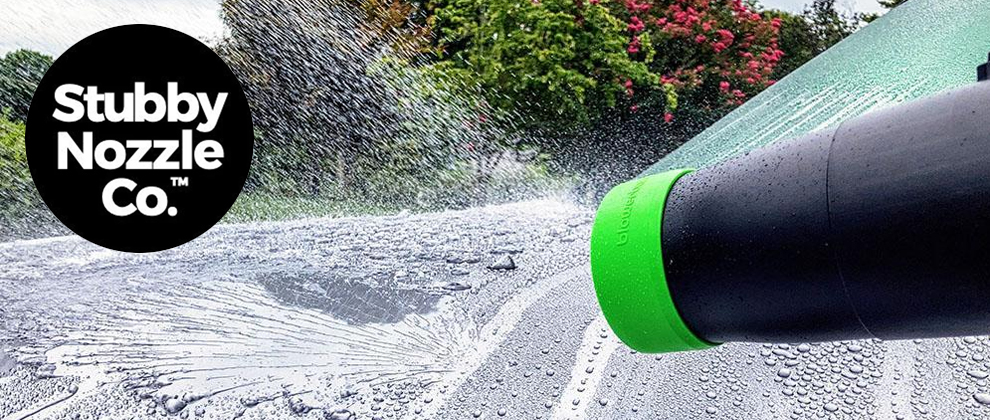
A leaf blower can dry a car without touching the paint. That helps prevent swirls and fine scratches. Water is pushed off the surface and out of tight spots.
It works best after a proper wash and rinse. It also works great on ceramic or waxed cars, where water beads and sheets well. Using a leaf blower to dry car paint is common among detailers because it is fast, gentle, and consistent.
Keep good habits. Stand a safe distance. Aim at an angle. Use clean air. These practices make a leaf blower to dry car panels both safe and effective.
Benefits of using a leaf blower to dry car paint
The benefits are real, and you can see them right away.
- No-contact drying reduces marring You avoid rubbing grit into paint with towels.
- Faster drying time Many cars dry in 5 to 10 minutes once you learn the flow.
- Reaches hidden spots Mirrors, grills, badges, lug holes, trim, and window seals release water.
- Fewer water spots Moving air breaks up standing drops before they etch.
- Better for coatings Air keeps silica coatings and wax layers from premature wear.
I have cut my wash time by a third since I began using a leaf blower to dry car paint. The finish looks better and stays scratch-free longer.

Risks and limitations to consider
There are risks if you use the wrong tool or poor technique.
- Dust intake Cheap or dirty blowers may suck in dust and shoot it at paint. Keep the intake away from the ground and avoid windy, dusty days.
- Unfiltered air Dedicated car dryers use filtered, sometimes warmed air. A yard blower does not filter by default.
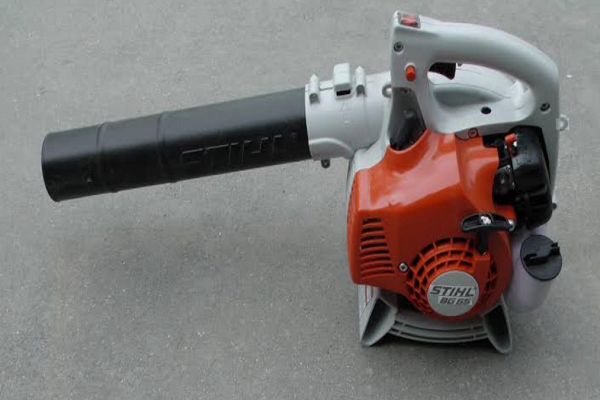
- Heat and exhaust Avoid gas blowers. Exhaust is hot and dirty. Use electric corded or battery units.
- Noise Many blowers are over 85 dB. Wear hearing protection and respect quiet hours.
- Water and electricity Use a GFCI outlet for corded units. Keep cords and batteries clear of standing water.
- Not a cure for bad water Very hard water can still spot. Work fast or use deionized water.
Used with care, a leaf blower to dry car panels is safe. Know your limits and plan around them.
How to choose the right blower for car drying
Look for features that protect paint and improve control.
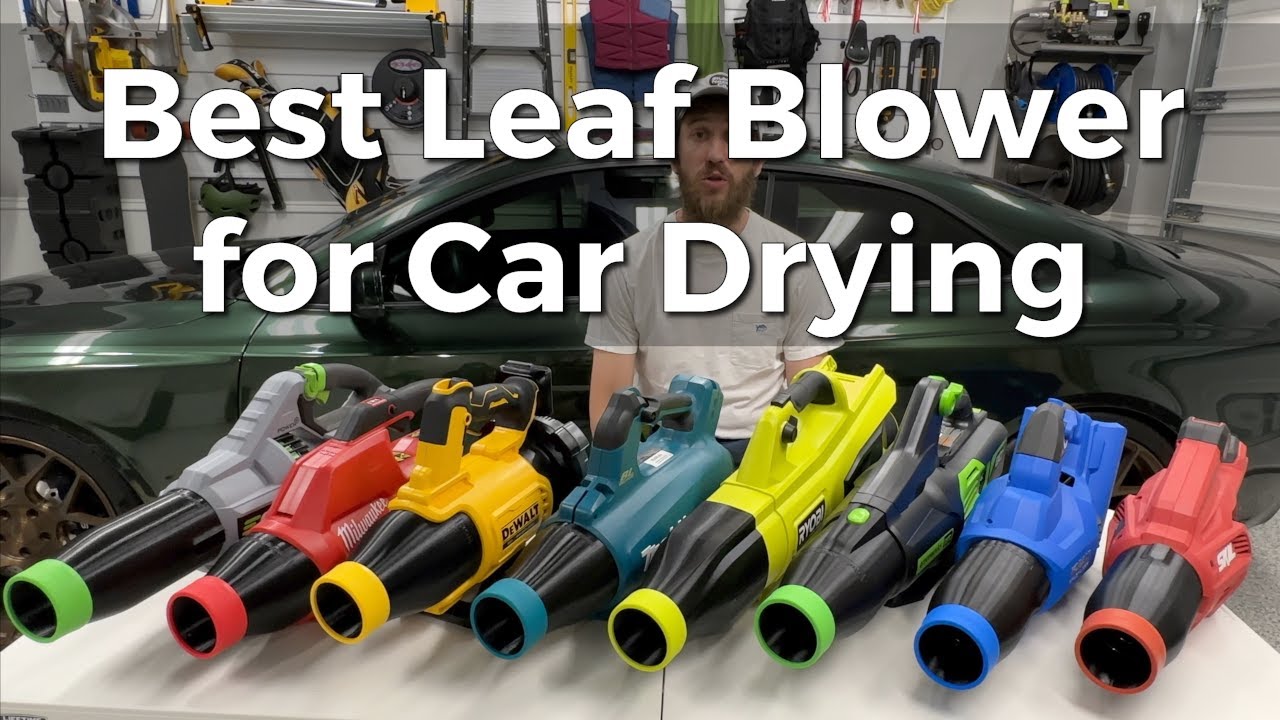
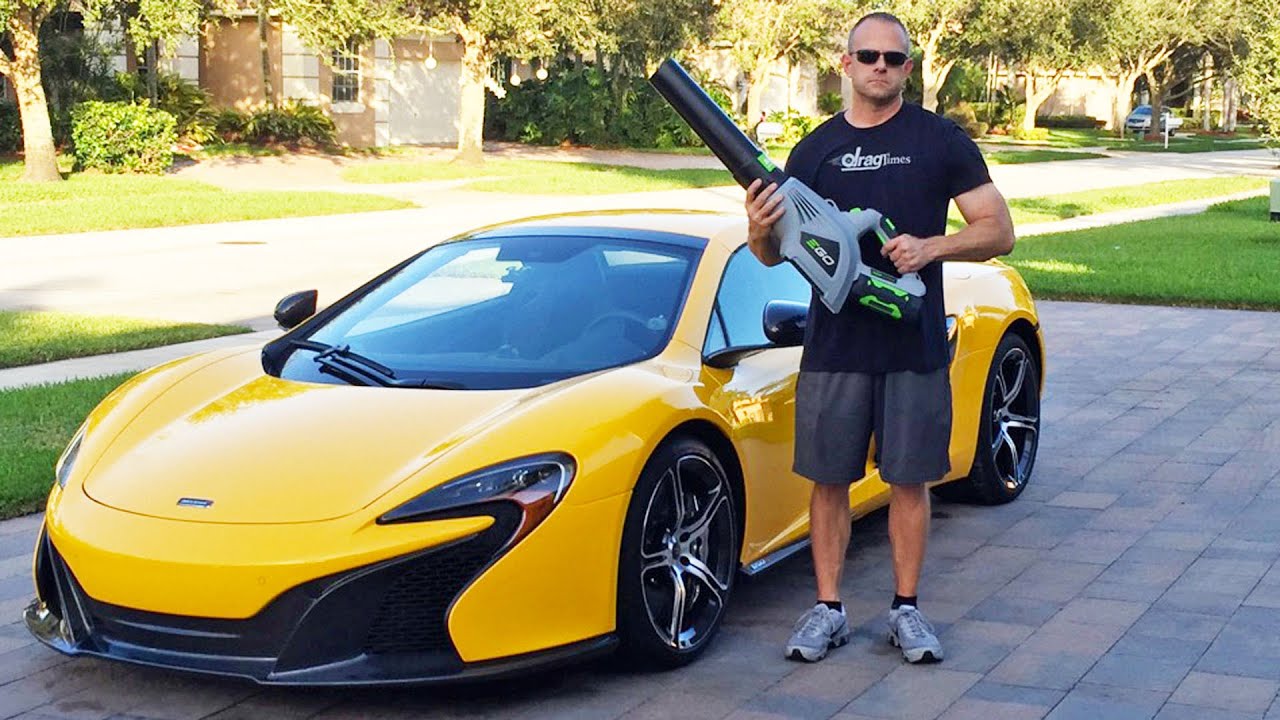
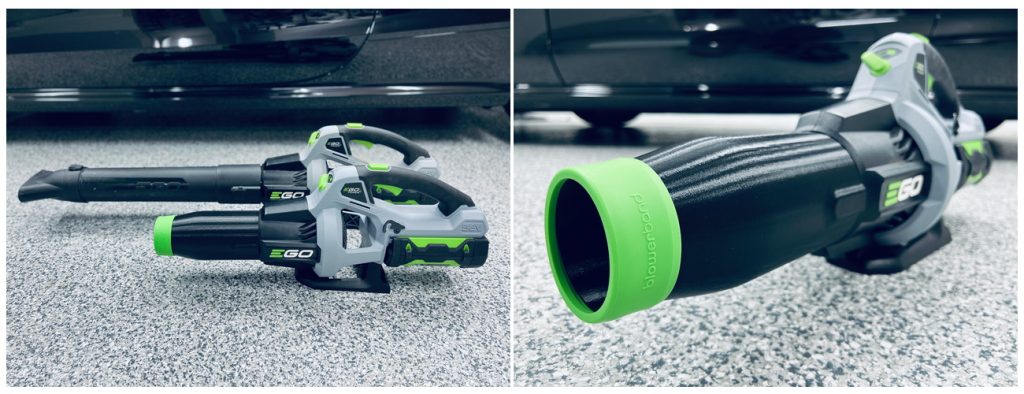
- Electric over gas Choose corded 12–15A or modern cordless 18–56V units. They are cleaner and easier to control.
- High CFM with variable speed Aim for 400–600 CFM and a wide tip for panels. Use a narrow tip for crevices. Variable speed helps near badges and edges.
- Smooth nozzle edges Avoid sharp plastic that could nick paint if bumped.
- Filtration or pre-filter If possible, add a mesh over the intake or use a blower with a built-in filter.
- Battery runtime 4–8 Ah packs give 10–20 minutes at medium speed.
- Weight and balance Lighter tools reduce fatigue and improve aim.
If you can afford it, a dedicated car dryer is best. It has filtered air and a soft rubber nozzle. Still, a good electric leaf blower to dry car paint can work very well.
Step-by-step method: use a leaf blower to dry car fast and spot-free
Follow this simple process. It keeps things safe and efficient.
- Wash right Use a two-bucket wash and clean mitt. Rinse well.
- Sheet the water Hold a gentle stream across the roof and hood to push water off. This leaves fewer drops to chase.
- Set your blower Start at medium speed. Stand 12 to 24 inches from the paint.
- Work top-down Roof, glass, hood, trunk, then doors and sides. Aim at a 30–45 degree angle so water moves off the panel.
- Hit hidden spots Mirrors, grills, fuel door, emblems, window seals, wheel nuts, and badges.
- Tackle trim and wheels Lower speed near delicate trim. Higher speed for wheels and tires.
- Use a drying aid if needed A light mist of drying aid or detailer can help water release faster and leave gloss.
- Final touch Use a clean, plush towel only for any stray drips. No pressure, just blot.
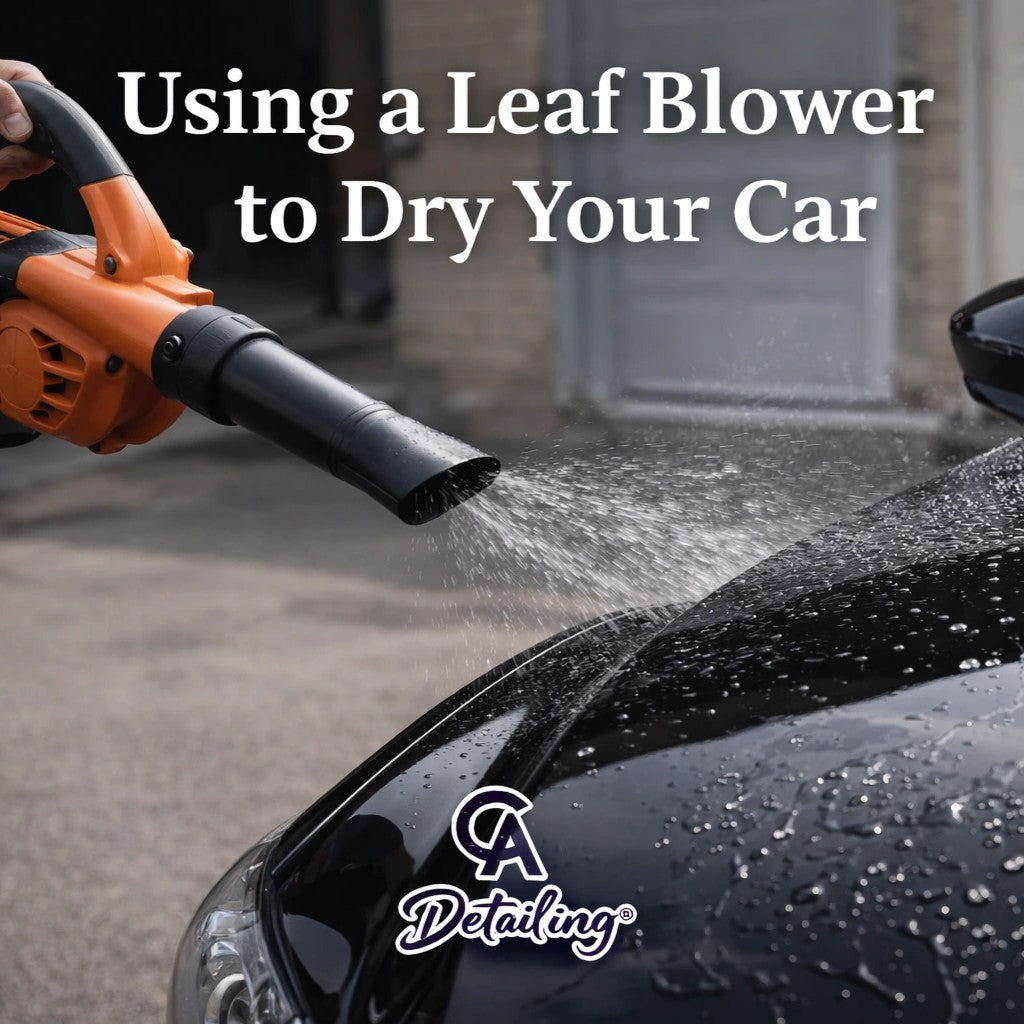
Using a leaf blower to dry car paint is about air control, not brute force. Smooth passes win the day.

Pro tips and lessons learned from the driveway
These small habits make a big difference.
- Wash in shade Sun speeds up spots. Work on cool panels.
- Keep the intake clean Hold the blower upwind and off dusty ground.
- Warm the air a bit Run the blower for 30 seconds before you start. Slightly warmer air moves water faster.
- Watch your stance Keep the cord or battery away from wet puddles. Move your feet, not your wrists.
- Mind the neighbors Dry during reasonable hours. Choose lower speeds near homes.
- Ceramic coatings love air A leaf blower to dry car coatings keeps them slick and swirl-free.
I learned the hard way not to chase one tiny bead for a minute at full blast. Back off, change the angle, and it will move.
Cost, time, and results compared
- Towels only Low cost, but more time and higher risk of swirls.
- Leaf blower to dry car Moderate cost, less time, and low risk of marring.
- Dedicated car dryer Higher cost, best control, filtered air, and safest for show cars.
My average compact SUV dries in about eight minutes with a mid-range cordless blower. Towels take 15 to 20 minutes and need frequent washing. Over a year, the leaf blower to dry car method saved me hours and kept the finish cleaner.

Environmental, noise, and etiquette notes
- Choose electric units Lower emissions and less noise than gas.
- Respect noise rules Many areas restrict blowers early in the morning and at night.
- Protect your hearing Wear earplugs or muffs. Your ears matter.
- Avoid blowing debris Do not point the intake at dusty floors. Sweep first.
- Be water wise Use sheeting and a blower to reduce towel laundry.
When used with care, a leaf blower to dry car panels is both fast and neighbor-friendly.
Alternatives and add-ons to a leaf blower to dry car
- Dedicated car dryers Filtered, often warmed air with soft nozzles. Great for detailers.
- Compressed air Good for crevices. Use a regulator and clean, oil-free air.
- Shop vac on blow mode Works in a pinch. Use a clean filter and a soft tip.
- Plush drying towels Use quality towels as a backup. Light blotting only.
- DI water or rinseless wash Reduce spots and speed up air drying.
You can pair a quick sheeting rinse with a leaf blower to dry car paint, then finish glass with a towel. Mix and match to suit your setup.
Care and maintenance for a blower used on cars
- Keep it clean Wipe the intake and nozzle before each use.
- Add a pre-filter A mesh sleeve or fabric over the intake helps block dust.
- Dedicate a nozzle Use one clean tip for car work only.
- Check batteries and cords Inspect for cracks, cuts, or loose parts.
- Store dry Keep it off damp floors and away from wash chemicals.
Good care makes your leaf blower to dry car process safer and more reliable over time.
Frequently Asked Questions of leaf blower to dry car
Is it better to use a leaf blower or towels?
A leaf blower is safer for paint because it is no-contact. Towels can work, but they raise the risk of swirls if any grit remains.
Can a gas leaf blower damage paint?
Yes, it can. Hot exhaust and soot can contaminate paint, so use an electric blower instead.
How far should I hold the blower from the car?
Keep 12 to 24 inches from the surface. Use a 30–45 degree angle so water moves off the panel rather than straight at it.
Will a leaf blower remove all water spots?
No. It reduces spots by moving water faster, but hard water can still leave marks. Use deionized water or a drying aid if spotting is common.
Can I use a blower on ceramic-coated cars?
Yes. Air drying is ideal for coatings and helps them last longer. It clears beads fast and reduces towel contact.
Conclusion
Drying your car with moving air is simple, fast, and gentle on paint. With a clean, electric blower, smart technique, and a few safety steps, you can get a spotless finish with less work and no swirls. Start with a careful wash, use smooth passes from top to bottom, and keep a towel only for final drips. Try the method on your next wash and see the difference. If you found this guide helpful, subscribe for more care tips or drop a comment with your results.