What Type Of Thread Is A Garden Hose: NH Vs NPT Guide 2026
In the U.S. and Canada, garden hoses use 3/4–11.5 NH (GHT) straight threads.
If you have ever asked what type of thread is a garden hose, you are not alone. I have set up hoses on job sites, farms, and small yards for years, and I know how one wrong fitting can waste a weekend. This guide gives a clear, expert answer to what type of thread is a garden hose, plus the why, where, and how to get perfect, leak‑free connections every time.

Garden Hose Thread (GHT/NH) in plain terms
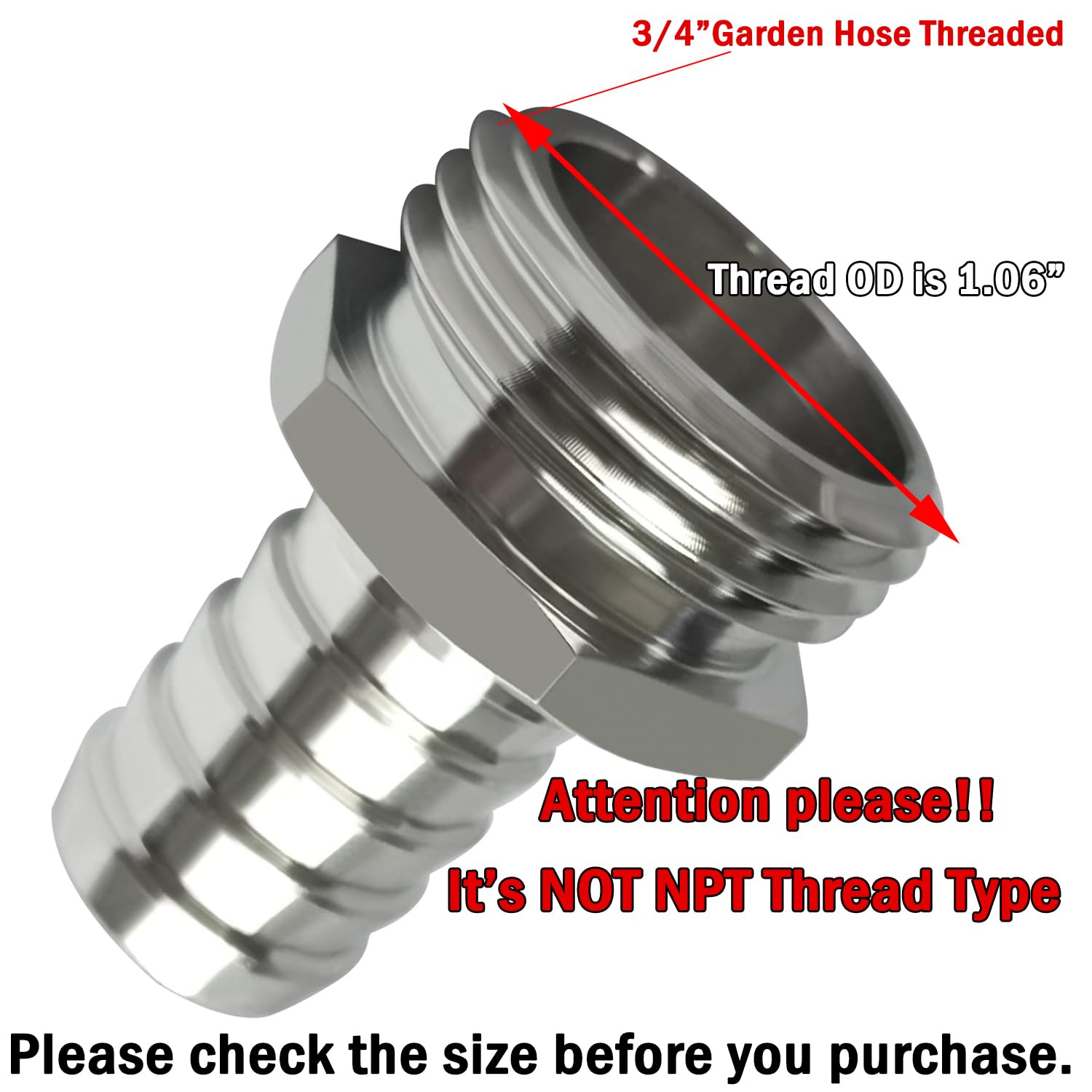
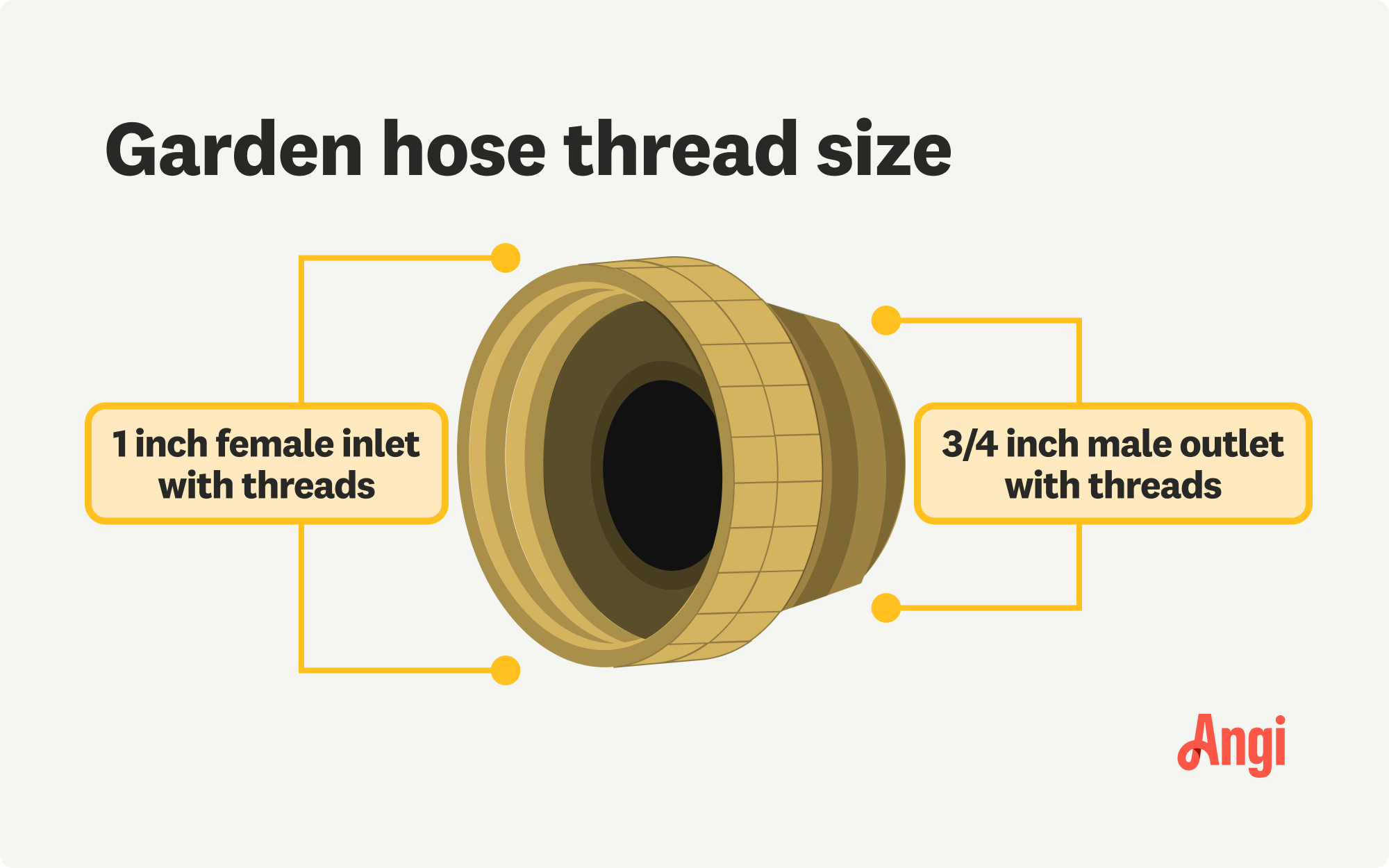
Here is the core idea. Most North American garden hoses and outdoor spigots use Garden Hose Thread, also called NH (National Hose). It is a straight (parallel) thread, size 3/4 inch, with 11.5 threads per inch. The seal happens at a flat rubber washer, not on the threads.
Key points you can trust:
- GHT/NH is straight thread. It does not taper.
- The washer makes the seal. The threads only pull parts together.
- The common spec is written as 3/4–11.5 NH or 3/4 GHT.
- This standard is recognized in U.S. plumbing and coupling standards.
If you came here asking what type of thread is a garden hose, that is your quick, accurate answer. Keep reading to avoid the common mix‑ups that cause leaks and damaged fittings.

Sizes and what those fractions really mean
Hose packaging often shows 1/2 inch, 5/8 inch, or 3/4 inch. That size is the hose’s inner diameter, not the thread type. Many folks see 3/4 on a faucet and assume it is 3/4 NPT pipe. It is not. It is 3/4 GHT.
What matters when you wonder what type of thread is a garden hose:
- Thread type in the U.S. and Canada: 3/4–11.5 NH (GHT), straight thread.
- Seal: Flat washer or O‑ring inside the female swivel.
- Typical hose diameters: 1/2 in, 5/8 in (most common), and 3/4 in. These do not change the thread.
A simple rule I teach new techs: in North America, assume outdoor hose connections are GHT unless labeled otherwise.
GHT vs NPT vs BSP: why they do not mix
A big source of confusion is thread names that look the same but are not. This is where many people ask again what type of thread is a garden hose, because 3/4 sounds like pipe size.
Know these differences:
- GHT/NH (3/4–11.5): Straight thread. Seals with a washer. Used on hoses, sprayers, spigots.
- NPT (National Pipe Tapered): Tapered thread. Seals on the thread flanks with sealant. Used on pipes and pumps.
- BSP (British Standard Pipe): Common in the U.K. and much of the world. 3/4 BSP is 14 TPI and straight (BSPP) or tapered (BSPT), different form from GHT.
How to connect across systems:
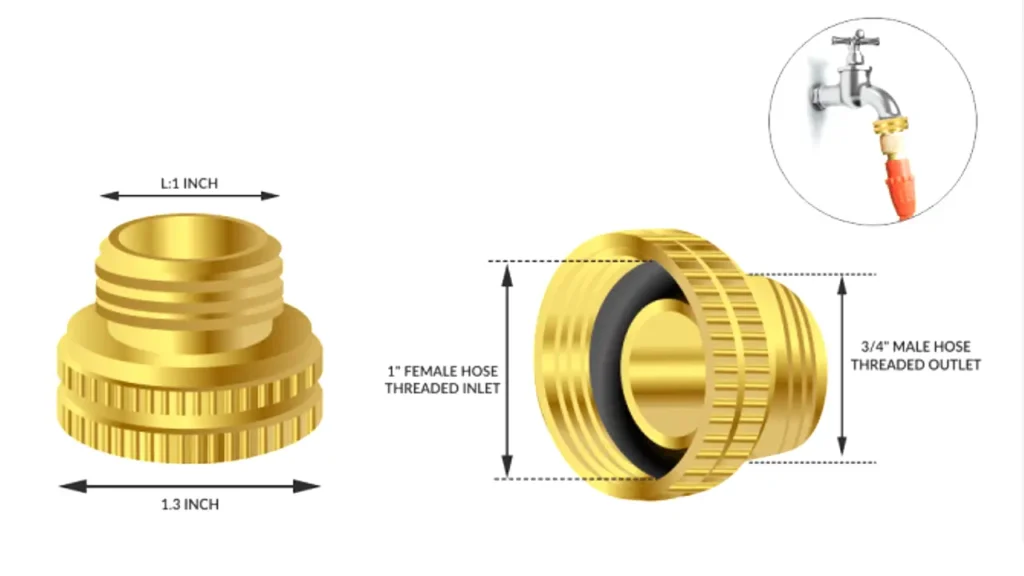
- Use a labeled adapter such as 3/4 GHT male to 3/4 NPT male or 3/4 GHT female to 1/2 NPT male.
- For U.K./EU taps, use 3/4 BSP to 3/4 GHT adapters.
- Never force threads that feel wrong. That leads to cross‑threading and leaks.
This is the practical core behind what type of thread is a garden hose: it is GHT in North America, and you need an adapter to mate with NPT or BSP parts.

Male vs female ends, washers, and a leak‑free seal
Garden hose systems are simple once you see the pattern.
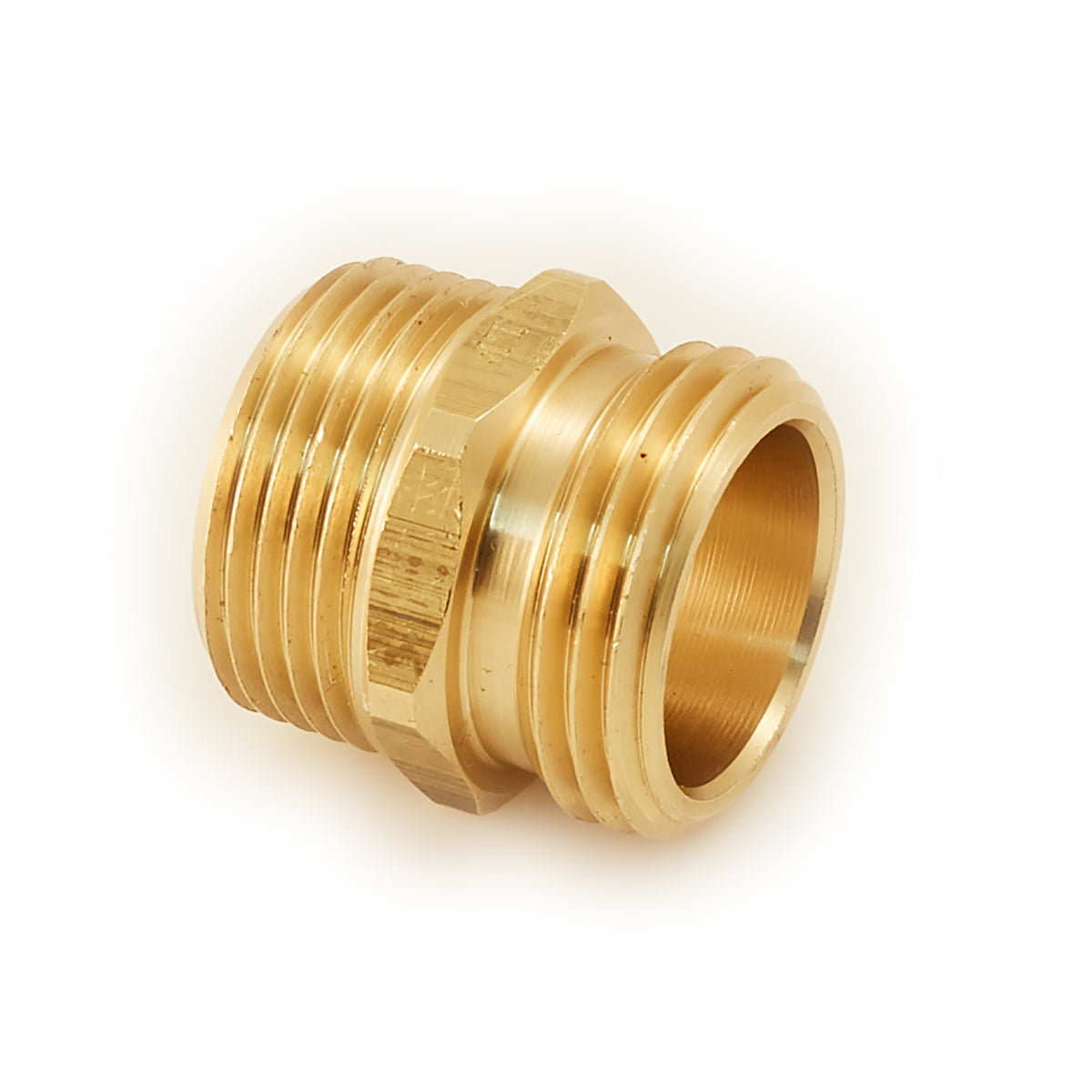
- The outdoor faucet (hose bibb) usually has a 3/4 GHT male outlet.
- The hose end that attaches to the faucet is 3/4 GHT female with a swivel and washer.
- The other hose end is 3/4 GHT male for nozzles, sprinklers, and quick connects.
Washer tips from the field:
- Replace the flat washer each season, or when you see drips.
- Try a soft rubber or a beveled O‑ring washer for higher pressure.
- Hand‑tight is enough when the washer is good. Pliers often crack the swivel.
Many folks ask what type of thread is a garden hose right after a bad leak. Nine times out of ten, a fresh washer fixes it.
Regional and industry variations you should know
The answer to what type of thread is a garden hose changes outside North America.
- U.S. and Canada: 3/4–11.5 NH (GHT).
- U.K., EU, Australia: Many taps and hose sets use BSP. A 3/4 BSP garden tap is common in the U.K.
- RV and marine gear: Often use GHT for hose hookups, but internal plumbing ports may be NPT. Adapters are standard kit.
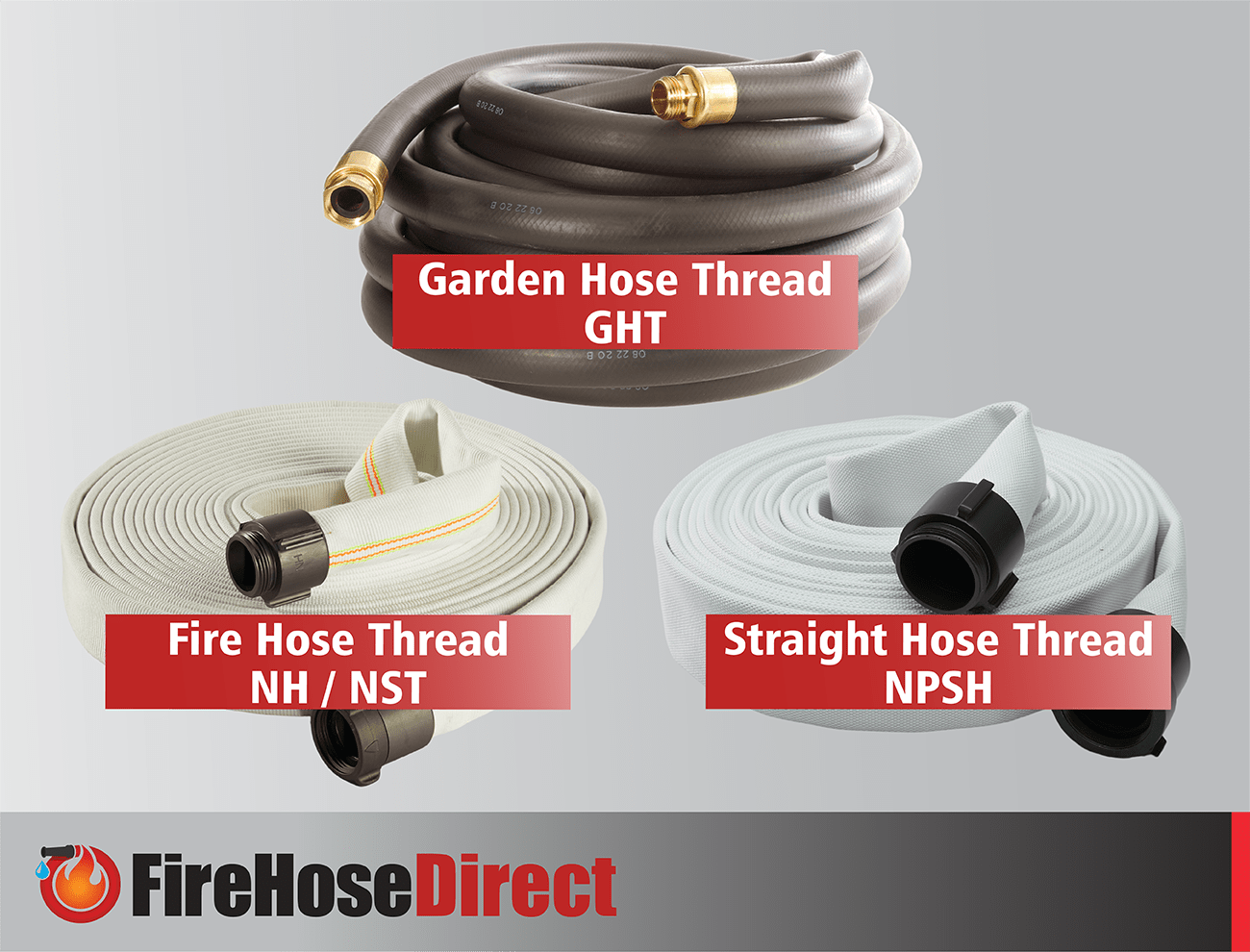
- Fire hose is different: NH/NST fire threads are larger and with different pitches. Do not mix with garden hose fittings.
If you move or buy gear from another region, plan for adapters.
How to identify your thread at home
Use this simple check when you need to confirm what type of thread is a garden hose.
- Look for markings: GHT, NH, NPT, or BSP on the fitting.
- Count threads per inch: GHT is 11.5 TPI at 3/4 size; NPT 3/4 is 14 TPI; BSP 3/4 is 14 TPI.
- Check how it seals: Washer inside female means GHT or BSPP; thread sealant needed means NPT or BSPT.
- Test fit with a known hose nozzle or spigot you trust. If it bottoms out and leaks without a washer, it is likely not GHT.
- When unsure, take the part to a plumbing shop and ask for a thread gauge check.
These steps keep you from guessing at what type of thread is a garden hose and help you avoid returns.

Common problems and easy fixes
Even when you know what type of thread is a garden hose, small issues pop up. Here is how I solve the most common ones on site.
- Cross‑threading: If the fitting rocks or binds, back off and start square. Do not force it.
- Slow drip at the swivel: Replace the washer. Clean grit from the seat. Hand‑tighten.
- Leaks at adapters: Use the right washer if the adapter expects one. Use PTFE tape only on tapered threads (NPT). Do not tape GHT threads for sealing; the washer does that work.
- Stuck fittings: Add a drop of penetrating oil. Hold the hex on the male adapter with a wrench, then turn the swivel nut.
- Worn threads: Replace the end with a repair kit. It is cheap and fast.
These fixes save time and help you keep the right view on what type of thread is a garden hose and how it should seal.
Pro tips from years in the field
After many installs and many mistakes, here are my best lessons learned.
- Carry a small kit: GHT washers, 3/4 GHT to 3/4 NPT adapters, and a 3/4 BSP to 3/4 GHT piece.
- Upgrade to brass quick‑connects. They keep the GHT interface correct and save wear on threads.
- Use a Y‑splitter with ball valves on the spigot. It reduces how often you touch the main GHT joint.
- Label adapters with a marker. When it is hot and you are wet, clear labels beat guesswork.
- Buy hoses with solid brass ends. They hold GHT form better than thin stamped ends.
These small habits answer what type of thread is a garden hose in practice: it is GHT, it seals on a washer, and good hardware makes it painless.
Frequently Asked Questions of what type of thread is a garden hose
Is a garden hose 3/4 NPT?
No. A U.S. garden hose uses 3/4–11.5 NH (GHT) straight threads. NPT is tapered and will not seal to a hose without an adapter.
Do I need PTFE tape on garden hose threads?
No. GHT seals with a flat washer inside the female swivel. Save tape for tapered pipe threads like NPT.
What thread is on a typical outdoor faucet?
In the U.S. and Canada, most hose bibbs have a 3/4 GHT male outlet. Your hose has a 3/4 GHT female swivel to match.
How do I connect a hose to a pipe fitting?
Use an adapter labeled GHT to NPT in the sizes you need. The GHT side uses a washer; the NPT side needs thread sealant.
Are U.K. garden hoses the same as U.S. hoses?
Often no. U.K. systems commonly use BSP threads. Use a 3/4 BSP to 3/4 GHT adapter to mix parts.
Why does my new hose leak at the faucet?
The washer is missing, hard, or damaged. Replace it and hand‑tighten; if it still drips, clean the seat and try a beveled washer.
Can I connect two hoses from different brands?
Yes, as long as both ends use 3/4 GHT. Replace worn washers, and they will mate fine.
Conclusion
You asked what type of thread is a garden hose, and now you know the standard and the details that matter. In North America it is 3/4–11.5 NH (GHT), a straight thread that seals with a washer. Elsewhere, BSP is common, and adapters bridge the gap.
Check your fittings, carry a few washers and adapters, and make every setup fast and leak‑free. Put these tips to work today, and you will spend more time watering and less time wrestling with threads. Want more hands‑on guides like this? Subscribe for updates or drop a comment with your next question.