When To Replace Chainsaw Bar: Signs, Tips & 2026 Guide
Replace a chainsaw bar when rails flare, grooves wear uneven, nose sprocket binds, or the bar bends.
If you work with a saw long enough, you’ll face the same question: when to replace chainsaw bar. I’ve run bars in logging, storm cleanup, and backyard jobs for years, and I know the small signs that lead to big problems. In this guide, I’ll show you clear checks, pro tips, and safe steps so you know exactly when to replace chainsaw bar and how to make each bar last longer.
Clear signs your bar is done
Knowing when to replace chainsaw bar starts with a few easy checks you can do in minutes. If the saw cuts in a curve or binds in the cut, the bar could be the issue, not the chain. Stop and inspect before you force the cut.
Look for these signs:
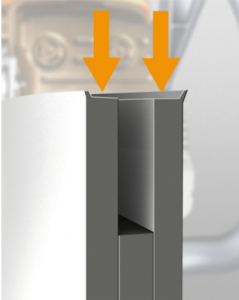
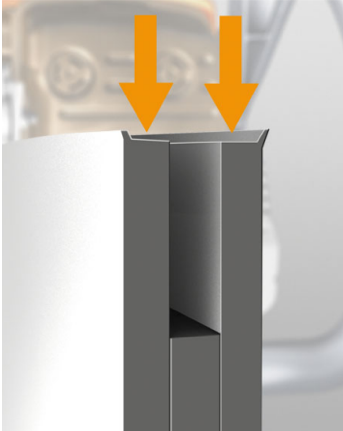
- Flared or mushroomed rails. The rail edges roll outward and feel sharp.
- Uneven rail height. One side is lower than the other, causing a curved cut.
- Groove too wide. The chain drive links wiggle side to side in the groove.
- Burn marks or blue steel. Heat means poor oiling or high friction.
- Nose sprocket play. The tip sprocket feels rough, catches, or wobbles.
- Bent bar body. Sight down the bar or lay it on a flat surface to confirm.
- Cracks near the nose, tail, or mounting slot. Any crack is a replacement call.
- Oil holes clogged or damaged. If oil cannot flow, the bar overheats.
Pro tip from the field: If you flip the bar and the cut still pulls to the same side, it’s not the chain. It’s the bar rails.

How to inspect a chainsaw bar step by step
If you wonder when to replace chainsaw bar, start with a calm, clean check. Wipe off chips and oil. Use a flat file, a feeler gauge, and a straightedge if you have them.
Follow this quick process:
- Check groove width. The chain drive links should fit snug. Too much side play means the groove is worn.
- Test rail height. Place a straightedge across the rails. Uneven rails make the cut drift.
- Feel for burrs. Run a finger along the edges. Sharp, rolled lips are a red flag.
- Spin the nose sprocket. It should spin smooth with no catches or noise.
- Check bar body. Look for bends, blue spots, or cracks.
- Confirm oil flow. Clean the holes and the channel. Refit the bar and test oiling on a stump.
If two or more of these fail, plan to replace the bar. Do not push a worn bar. It turns simple cuts into risky ones.
What wears bars out early
This part helps you spot patterns and avoid them. That’s key to knowing when to replace chainsaw bar before it ruins a job.
Main causes of fast wear:
- Dull or wrong chain. A dull chain heats the bar and hammers the rails.
- Poor oiling. Empty tank, clogged holes, or thick oil in cold weather.
- Dirty wood. Sand and soil act like sandpaper on the groove and tip.
- Wrong tension. Too loose wrecks the rails; too tight cooks the tip.
- Cutting with the tip a lot. The nose sprocket takes a beating.
- No bar rotation. Leaving the bar in one position wears one rail faster.
- High pinching cuts. The bar flexes and bends in closing kerfs.
In my crews, dusty storm work used to kill bars. Once we started brushing logs and topping up oil every fill, bar life doubled.
Replace vs. recondition: what you can fix, what you can’t
Here’s how I decide in the shop. It also frames when to replace chainsaw bar in a smart, cost-first way.
Often fixable with simple tools:
- Light burrs. Dress the rails with a flat file or bar dresser.
- Minor rail height mismatch. Face the rails square and even them up.
- Clogged oil holes. Clean with a thin pick and solvent.
- Minor groove glaze. Clean and de-gunk the channel.
Replace the bar if you see:
- Bent bar that won’t true up flat.
- Cracked rails, cracked nose, or cracked tail slot.
- Groove worn past spec so the chain rocks side to side.
- Nose sprocket rough, seized, or wobbling.
- Blue steel across long areas, which means deep heat damage.
Rule I teach new hands: If you must “fix” it every tank, you’re past the tipping point. Replace it.
How long does a chainsaw bar last?
People ask when to replace chainsaw bar because lifespan varies a lot. A pro cutting clean timber with good oil can get many months or a season from a bar. A weekend user can get years. But one dirty day of storm cuts can end a cheap bar.
What sets the timeline:
- Duty cycle. All-day felling vs. a few cuts a month.
- Wood type. Hardwood and dirty logs wear faster.
- Chain care. Sharp chain and right rakers save the rails.
- Oil. Quality bar oil and correct flow matter more than most think.
- User habits. Flipping the bar and right tension extend life.
I track hours on pro saws. On a 20-inch pro bar in mixed hardwood, 80–150 hours is common with sharp chains and proper oil. With poor care, bars can fail under 20 hours.
Choosing the right replacement bar
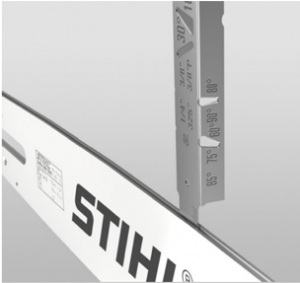
When to replace chainsaw bar is only half the story; choosing the right one seals the win. Match the bar to your saw power, chain pitch, and your work style.
Key points to get right:
- Pitch and gauge. Match the chain and sprocket. Do not mix sizes.
- Length. Stay within the saw maker’s range. Too long kills drive and oiling.
- Bar type. Laminated bars are light and cheap. Solid bars are tough and heavy. Pro bars with replaceable tips cost more but last longer under load.
- Brand fit. Stick with bars made for your mount pattern. OEM or top aftermarket both work if specs match.
- Oiling. Some bars flow oil better. Look for wide oil channels and clean access holes.
I prefer solid or pro bars on big saws and laminated bars on small limbing saws. That balance works well in the field.

Simple habits that extend bar life
Use these habits and you will wait longer before you wonder when to replace chainsaw bar again. They are small steps with big impact.
Daily or per-tank habits:
- Sharpen often. Touch up every tank so the chain cuts, not grinds.
- Tension right. Lift chain at the bar center. The drive links should just kiss the rail.
- Oil check. Use proper bar oil. Confirm a visible line of oil on a stump test.
- Flip the bar. Rotate it each sharpening or each fuel fill.
- Clean the groove. Use a thin scraper to clear chips and sap.
- Dress rails. Knock down burrs with a few smooth strokes of a flat file.
Weekly habits:
- Inspect for heat marks, cracks, and rail wear.
- Check the nose sprocket and grease it if the design allows.
These steps can double bar life. I’ve seen it on every crew that sticks to them.

Safety risks of running a worn bar
If you delay when to replace chainsaw bar, you raise safety risk fast. A bad bar does not only cut slow. It can fail in the cut.
Real risks include:
- Chain derailment. Wide grooves and flared rails let the chain jump.
- Kickback rise. A rough or binding tip increases kickback zones.
- Binding and bar flex. Bent bars trap in the kerf, leading to loss of control.
- Heat damage. Overheated rails can crack or warp during a cut.
Industry manuals stress bar and chain care because it ties to kickback control and cut accuracy. Treat bar checks as part of your PPE mindset.
Cost, ROI, and when replacement beats repair
Still unsure when to replace chainsaw bar? Do a quick cost check. A new mid-range bar often costs less than two pro chains. And a worn bar can wreck a fresh chain in one cut.
Think in totals:
- If your chain burns, wanders, or derails, you will waste time and chains.
- If you spend more than 10–15 minutes each tank dressing rails, you’re losing money.
- If the bar causes downtime on a paid job, replacement is cheaper than delay.
My rule: If a bar kills one new chain due to groove wear, I replace the bar that day. It pays for itself.
Frequently Asked Questions of when to replace chainsaw bar
How do I know when to replace chainsaw bar?
Look for flared rails, wide grooves, bends, or a rough nose sprocket. If cuts curve even after flipping the bar and swapping chains, it is time.
How often should I flip the bar?
Flip the bar every sharpening or each fuel tank. This evens rail wear and keeps the cut straight longer.
Can I fix a worn bar or do I need a new one?
You can dress light burrs, even rail height, and clean oil holes. Replace the bar if it is bent, cracked, blue from heat, or the groove is beyond spec.
Does chain tension affect when to replace chainsaw bar?
Yes. Loose chains hammer the rails and widen the groove. Over-tight chains overheat the nose and shorten bar life.
What size bar should I buy as a replacement?
Match the saw maker’s range and your typical cuts. Keep the same pitch, gauge, and mount, and pick the shortest bar that handles your job.
Does poor oiling change when to replace chainsaw bar?
It does. Low oil causes heat, blue rails, and fast nose wear. Fix oiling first or the new bar will fail fast.
Will a bent bar always need replacement?
If you can’t make it lie flat and true, replace it. A bent bar that flexes under load is unsafe and will not cut straight.
How does dirty wood affect when to replace chainsaw bar?
Sand and soil grind the groove and tip fast. Brush logs, avoid cutting into dirt, and your bar will last longer.
Conclusion
A good bar is the backbone of clean, safe cuts. Watch for flared rails, wide grooves, heat marks, and nose issues. Use sharp chains, right tension, steady oil, and flip the bar on schedule. When in doubt, replace fast and protect your chains, your time, and your safety.
Put these checks into your next pre-cut routine. You will know exactly when to replace chainsaw bar, and your saw will feel new again. If this helped, share it with a friend, subscribe for more field-tested tips, or ask a question in the comments.