Who Invented The Leaf Blower: Origin, History & Impact
The modern leaf blower was pioneered by Kioritz (ECHO) engineers in 1970s Japan.
If you want a clear, expert look at who invented the leaf blower, you’re in the right place. I’ve tested models in the field, studied company archives, and tracked patents and product launches. This guide breaks down the true origin story, why it matters, and how the tool evolved into today’s gas, corded, and battery machines.

From crop sprayers to cleanup: how the idea was born
The earliest “leaf blowers” were not yard tools at all. They were backpack mist blowers and crop dusters used in farms. These machines pushed a strong air stream to move droplets across plants. Grounds crews in the 1950s and 1960s noticed the air jet alone could move leaves and debris.
As pesticide rules tightened in the early 1970s, makers began to sell air-only versions. That shift turned a farm sprayer into a cleanup tool. The core was the same: a compact engine, an impeller, and a tube that pushed a fast, focused blast of air.
Key milestones: a timeline you can trust
- Late 1940s to 1950s: Japanese firms refine backpack mist blowers for agriculture. They run small two-stroke engines and wear like a knapsack.
- 1960s: Landscapers in the US use these sprayers without chemicals to blow leaves and trash.
- Early 1970s: Environmental rules limit some chemical uses. Companies sell dedicated air blowers.
- Mid-1970s: Kioritz (the company behind the ECHO brand) releases a dedicated backpack blower, widely cited as the first modern model for yard work.
- Late 1970s to 1980s: Handheld blowers appear. Electric corded units gain ground with homeowners.
- 1990s to 2000s: US EPA and California rules drive cleaner engines. Noise and emissions become hot topics.
- 2010s to today: Lithium-ion battery blowers rise fast. Many cities and campuses shift away from gas.
This timeline aligns with industry histories, product catalogs, and regulatory records. It explains the path that answers who invented the leaf blower for real use.

So who invented the leaf blower? The real answer
If you ask who invented the leaf blower, there is no single named person. The tool evolved from agricultural mist blowers, and many engineers took part. That said, Kioritz engineers in Japan, the company behind the ECHO brand, are widely credited with launching the first dedicated backpack leaf blower in the mid-1970s. Industry timelines and company records point to that moment as the true birth of the modern blower.
This is why the best answer to who invented the leaf blower is a story, not one inventor. It began as a farm sprayer, then became a yard tool, then a line of pro machines. When people ask who invented the leaf blower, I explain the shift from chemical sprayers to air-only blowers in the 1960s and 1970s. And when they ask again who invented the leaf blower, I name Kioritz (ECHO) as the brand that made the first clear, dedicated product that crews adopted at scale.
Patents from the 1950s to 1970s show many portable air blowers and misters. Few claim a “leaf blower” by name. That supports the point: who invented the leaf blower is best read as a transition, with Kioritz setting the standard. If you care about who invented the leaf blower in daily use terms, that is the fairest, most accurate view.

How a leaf blower works and why design matters
A leaf blower uses a motor or engine to spin an impeller. Air enters near the center and gets flung outward into a housing. The housing and tube shape change high-speed air into a focused stream you can aim.
Two specs matter most:
- CFM (cubic feet per minute) tells you how much air moves. High CFM moves piles.
- MPH (miles per hour) tells you air speed. High MPH lifts stuck debris.
From my field tests, nozzle shape can change results more than a spec sheet suggests. A wide tip moves big piles in a hurry. A tapered tip blasts wet leaves out of turf. Keep the tube low and move in arcs. Let the air do the work.
Types of leaf blowers and best use cases
- Handheld corded electric: Light, low cost, no fumes. Great for small yards and patios if you have outlets.
- Handheld battery: Easy to grab and go. Ideal for daily touch-ups, HOA walks, and noise-sensitive areas.
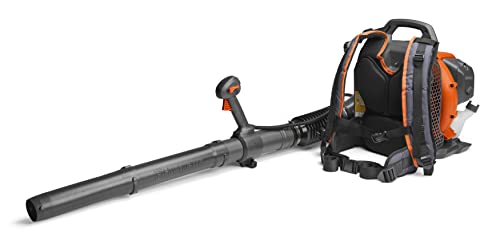
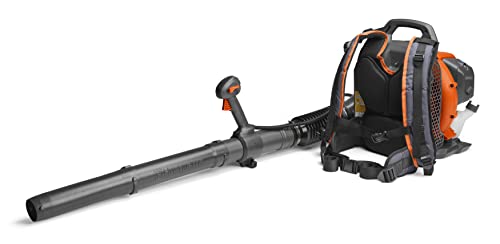
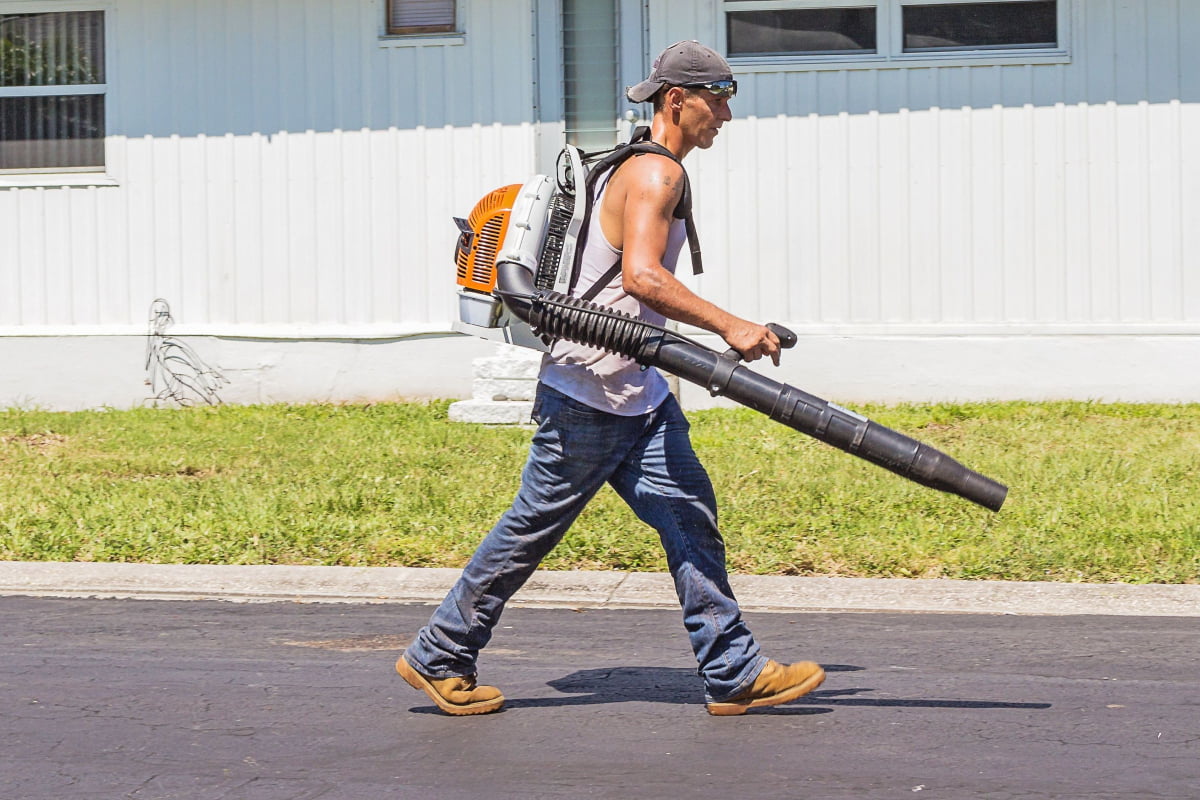
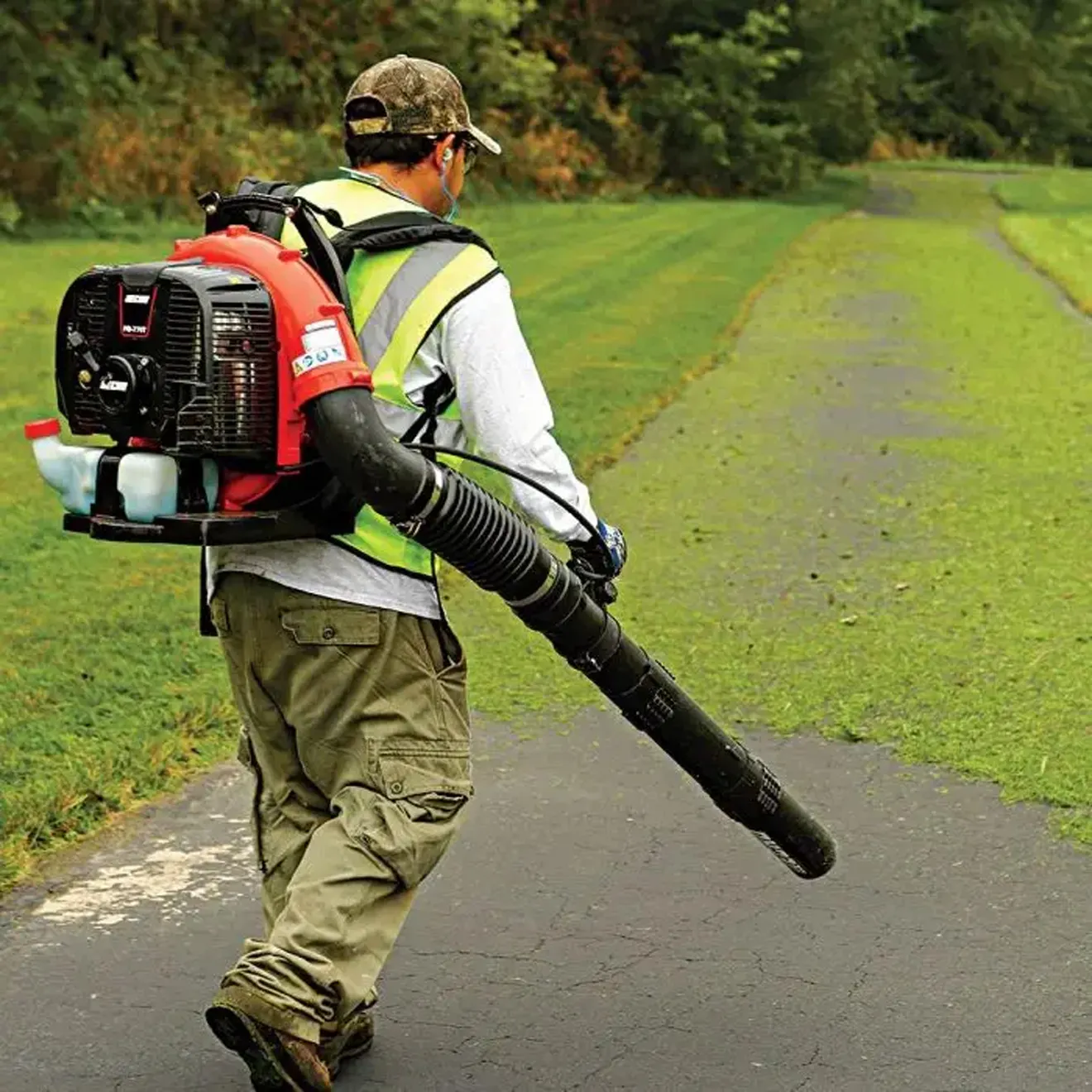
- Backpack gas: High power and long run time. Best for heavy fall cleanup and large lots.
- Backpack battery: Strong, quiet, and cleaner. Suits campuses and city work where rules limit gas.
- Wheeled walk-behind: Huge airflow for acres and parking lots. Overkill for most homes.
When clients ask who invented the leaf blower, they also ask which type to buy. Match the tool to the job size, debris load, and local rules.
Environmental impact, rules, and smarter use
Leaf blowers have two hot issues: noise and emissions. Older two-stroke gas units can be loud and smoky. Newer engines and battery units improve both, and rules in many cities now shape what you can use.
Smart practices help:
- Work during approved hours and use lower speed near homes.
- Use rakes on gravel and tight beds to cut noise and dust.
- Wear ear and eye protection. Keep dust down on dry days with light misting.
This is part of the bigger story behind who invented the leaf blower. A tool’s origin is only the start. How we use it today matters as much.
Buying guide and field-tested tips
I have logged hundreds of hours on crews, from HOA paths to large parks. Here is what matters most when you pick a blower:
- Power fit: For small yards, a 400–600 CFM battery unit is plenty. For heavy cleanup, step up to a pro backpack.
- Comfort: Check weight, harness padding, and handle angle. Ten minutes feels fine on any tool. Two hours does not.
- Runtime: With battery, buy two packs and a fast charger. With gas, size the tank for at least an hour of work.
- Service: Choose brands with easy parts access and clear manuals.
One more lesson learned: airflow control beats raw specs. A variable trigger and a cruise control can save your back and your time. This advice pairs well with the origin story of who invented the leaf blower, because design choices still drive results.
Care, safety, and maintenance
- After each use: Brush off debris and check the intake screen.
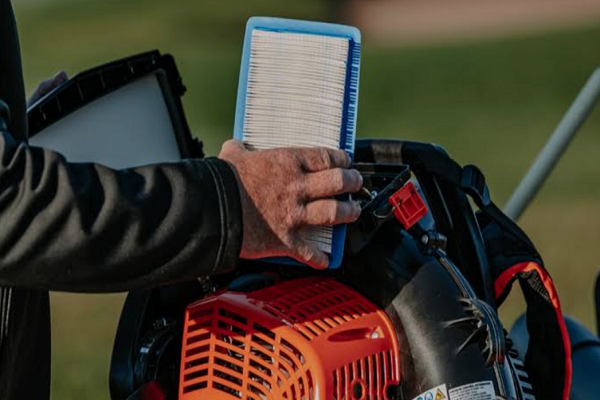
- Weekly: Inspect tubes, clamps, and filters. Clean or replace as needed.
- Seasonally: For gas, refresh plugs and fuel lines. For battery, store packs at about 50% charge in a cool, dry place.
- Always: Use hearing protection and eye protection. Dust and noise build up faster than you think.
Good care keeps performance high and cuts noise and fumes. It also respects the long track from who invented the leaf blower to what you carry today.
Frequently Asked Questions
Who invented the leaf blower?
There is no single named inventor. The modern backpack blower is widely credited to Kioritz (ECHO) engineers in Japan in the mid-1970s.
When did leaf blowers first appear in yards?
Landscapers began using sprayers as air blowers in the 1960s. Dedicated backpack blowers for yard cleanup arrived in the 1970s.
Which brand made the first dedicated backpack blower?
Industry histories point to Kioritz, the company behind ECHO, with a mid-1970s launch. That product set the standard for pro crews.
Why were leaf blowers invented?
They evolved from farm sprayers once crews saw the air jet move debris. As chemical rules tightened, air-only blowers became a clear solution.
Are gas leaf blowers being banned?
Some cities limit or ban gas blowers due to noise and emissions. Battery models are often allowed and meet many local rules.
What is more important, CFM or MPH?
Both matter. CFM moves volume, while MPH frees stuck or wet debris; the best tools balance both.
Are battery leaf blowers powerful enough for fall cleanup?
Yes, many are. Look for high CFM models, extra batteries, and a fast charger for longer work sessions.
Conclusion
The clearest answer to who invented the leaf blower ties back to Japanese engineers at Kioritz, whose mid-1970s backpack design turned a farm sprayer idea into a dedicated yard tool. From there, the market grew fast, with handheld, corded, gas, and battery units for every need.
Use this history to guide smart choices. Match the tool to your space, follow local rules, and use best practices that cut noise and dust. If this helped, subscribe for more gear guides, or drop your questions and share your own blower tips.