

How To Remove Weeds Permanently: Ultimate 2026 Guide
Use a layered plan: remove roots, block light, prevent seeds, and maintain.
If you want how to remove weeds permanently, you need more than one trick. I’ve managed landscapes from tiny yards to large estates. The secret is simple and proven: understand weed biology, attack the roots, stop new seeds, and keep a steady routine. Follow this guide and you will learn how to remove weeds permanently with confidence and clarity.
:max_bytes(150000):strip_icc()/vinegar-as-a-natural-weed-killer-2132943-final-5c1a5edf46e0fb00012f1032.png)
Why weeds always come back
Weeds are stubborn because they are built to survive. Many spread by seeds, stolons, and deep roots. A small root piece can restart a plant. A full seed bank can wait in soil for years.
Seeds move by wind, birds, boots, and pets. They land in bare soil and sprout fast. Thin mulch, cracked edges, and overwatered spots also help them grow.
Some weeds even release chemicals that slow nearby plants. This opens space for them to spread more. When you know why they return, you can plan how to remove weeds permanently without guesswork.

The permanent solution: an integrated plan
Here is how to remove weeds permanently in a clear, step-by-step way. Use each part together. That is what makes it stick.
- Identify and map weeds. Note taproots, runners, annuals, and perennials. Focus on the worst spots first.
- Uproot existing weeds. Pull after rain. Use a weeding knife. Get the whole root. Bag and trash.
- Mulch deep. Add 2 to 4 inches of clean, weed-free mulch. Top up each year to block light.
- Edge and block. Install solid edging and seal gaps. Stop creeping runners at borders.
- Use pre-emergent at the right time. Apply in early spring and fall to stop seed germination.
- Pack plants tight. Fill beds with groundcovers and shrubs. Shade the soil so weeds cannot start.
- Patrol weekly. Quick pulls take seconds. Do not let weeds set seed.
- Fix soil and water. Improve drainage and do not overwater. Healthy soil grows dense plants that outcompete weeds.
- Clean tools and compost. Do not spread seed heads. Hot compost only if it reaches high heat.
- Track results. Keep notes on what worked. Adjust timing and products as needed.
This blended plan is how to remove weeds permanently in real yards, not just in theory.

A simple 12‑month weed control calendar
Use this calendar to make how to remove weeds permanently a habit, not a chore.
-
Late winter
- Plan beds and order mulch.
- Service tools and buy pre-emergent.
-
Early spring
- Apply pre-emergent before soil warms.
- Hand-pull new sprouts. Mulch 2 to 4 inches.
-
Late spring to summer
- Patrol weekly. Spot-treat tough perennials.
- Water deep and less often. Avoid bare soil.
-
Late summer
- Solarize or tarp weedy patches for 4 to 8 weeks.
- Overseed lawns to thicken turf.
-
Fall
- Second pre-emergent pass where needed.
- Plant groundcovers. Refresh mulch.
-
Winter
- Clean beds. Remove seed heads.
- Review notes and refine your plan.
This steady cadence is how to remove weeds permanently with less effort each year.

Methods that kill weeds to the root
Different weeds need different tools. Mix and match to fit your site.
Hand weeding and digging
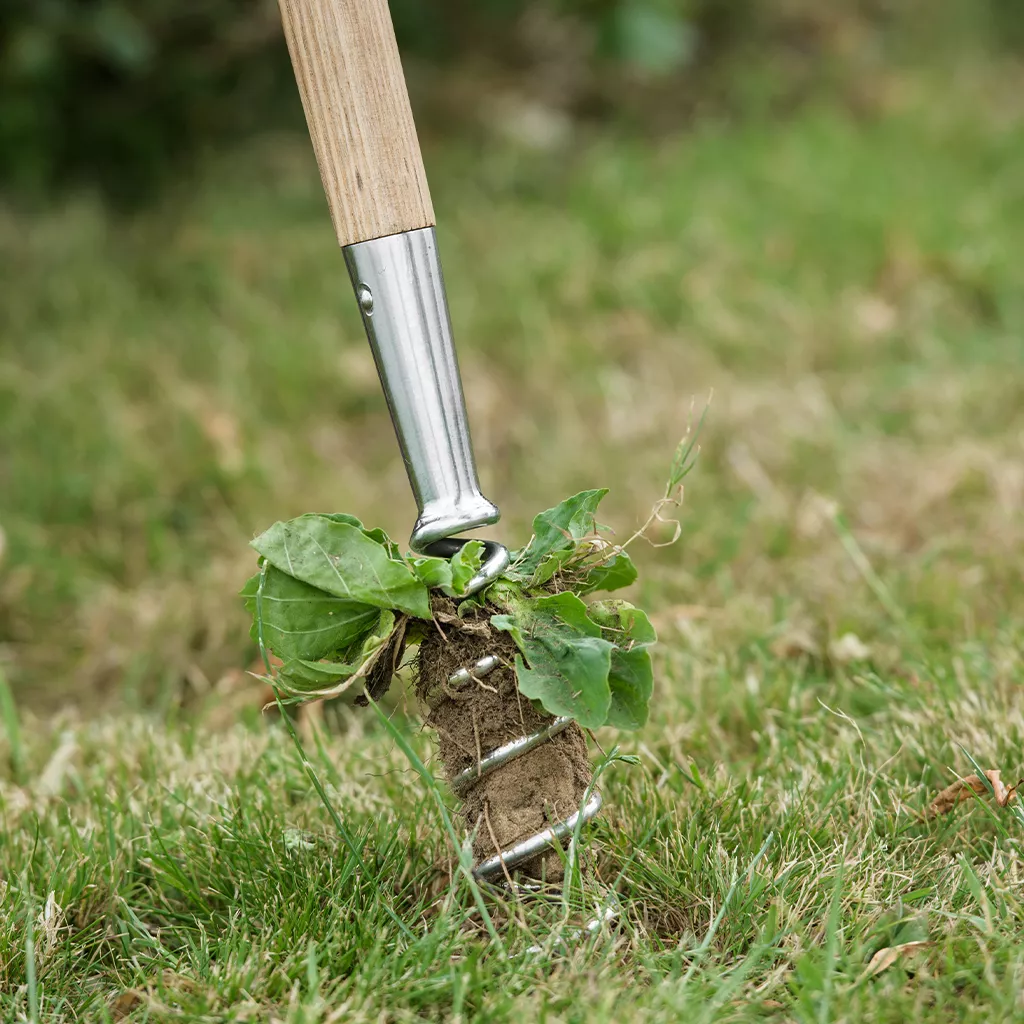
Pull after rain or irrigation. Grip low and slow to lift the taproot. Use a hori-hori knife or dandelion fork for deep roots. For rhizomes like bindweed, trace and remove as many runners as you can.
Solarization and occultation
For sunny, hot months, lay clear plastic tight over moist soil for 4 to 6 weeks. Heat cooks seeds and seedlings. In cooler months, use black tarps (occultation) for 6 to 8 weeks to starve weeds of light.
Sheet mulching with cardboard
Lay overlapped cardboard on moist soil. Add 3 to 4 inches of mulch. Cut holes for desired plants. This smothers many weeds and breaks down into rich soil.
Flame weeding for cracks and edges
A quick pass over young weeds in hardscapes bursts cell walls. Move slow but do not char. This is best for driveways and paths. Keep water nearby and follow local rules.
Boiling water and vinegar
They burn tops but may miss deep roots. Use for cracks and annual weeds. Repeat as needed. Keep off grass and wanted plants.
Use these methods together to make how to remove weeds permanently a real result, not a wish.
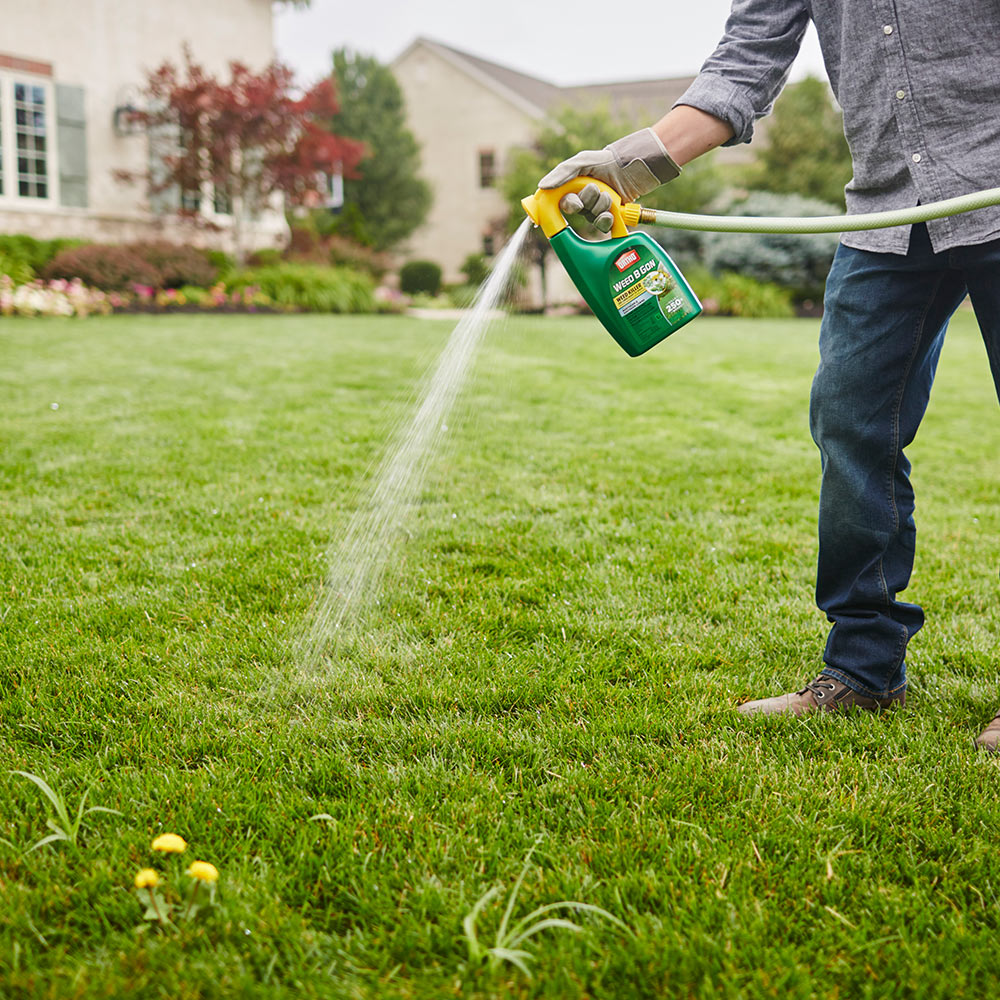
Smart herbicide use when needed
Herbicides can help when used with care. They are not the whole plan. They are one tool in the kit.
Pre-emergent herbicides
These stop seeds from sprouting. Apply before germination windows in spring and fall. Options include prodiamine and trifluralin. Corn gluten meal has mixed results and needs high rates. Do not use in veggie beds where you sow seeds.
Post-emergent herbicides
Systemic, non-selective products move to roots and can kill many perennials. Spot-apply to leaves on a dry, calm day. Selective lawn herbicides target broadleaf weeds without harming grass when used by label. Always read and follow the label. It is the law.
Safety and timing
Wear gloves, eye protection, and long sleeves. Avoid drift near beds and water. Treat small weeds for best control. Research shows proper timing often halves the total product used.
Use herbicides sparingly as part of how to remove weeds permanently. Prevention and mulch still do most of the work.

Area-specific tactics that work
Tailor your plan to the space. This speeds up how to remove weeds permanently.
Lawns
Mow high to shade soil. Most cool-season lawns thrive at 3 to 4 inches. Water deep and rare. Overseed thin spots. Use selective post-emergent only as needed. Feed in fall for dense turf that blocks weeds.
Gravel and driveways
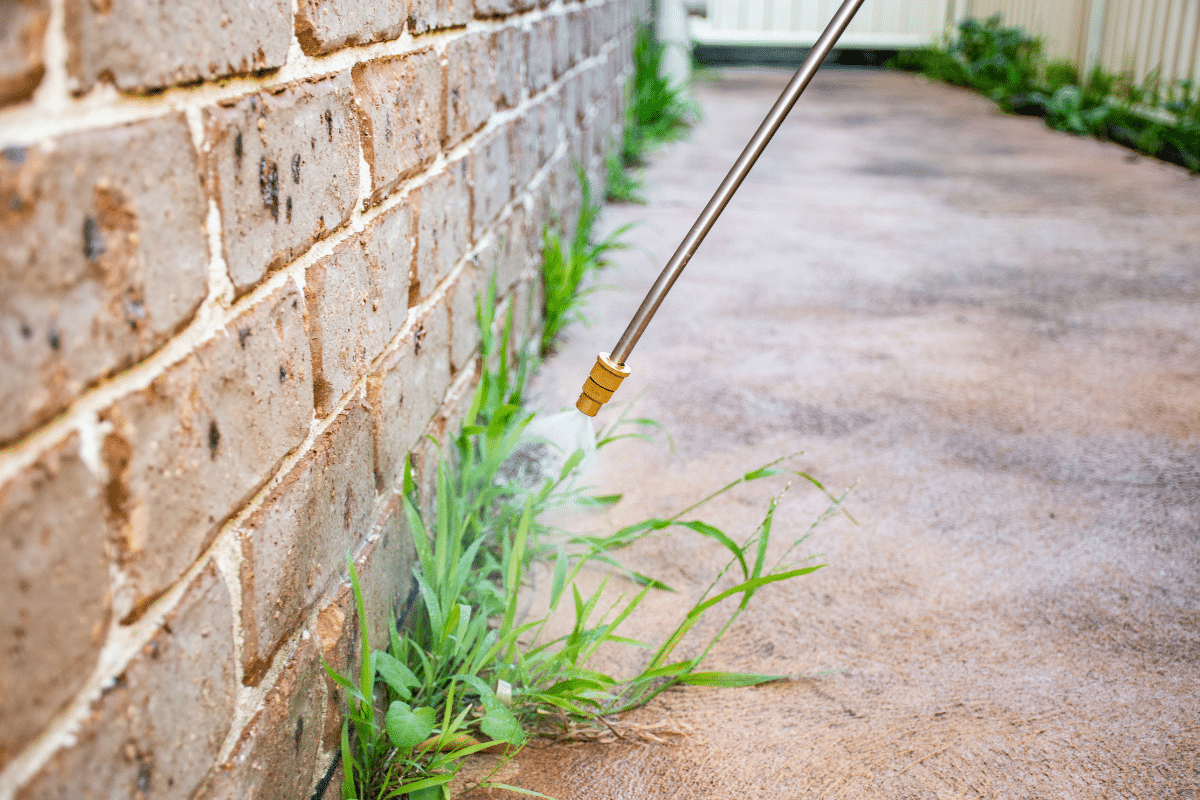
Use a high-quality weed barrier under compacted gravel. Sweep and blow often to remove dust and seeds. Spot-treat new sprouts when small. Flame weeding or boiling water works well here.
Vegetable beds
Skip pre-emergent. Use stale seedbed prep: water to sprout weeds, then flame or shallow hoe before you plant. Mulch paths with wood chips. Mulch rows with clean straw. Hand weed while small.
Perennial beds and shrubs
Plant groundcovers between larger plants. Drip irrigation keeps water off open soil. Refresh mulch each year. Edge beds to stop grass creep.
Match the method to the area and you will master how to remove weeds permanently across your whole property.
Tools, materials, and costs
You do not need fancy gear. A small set of good tools goes far.
- Hori-hori knife or dandelion fork. Cuts deep roots clean.
- Stirrup hoe. Skims off young weeds fast.
- Hand pruners. Snip seed heads before they spread.
- Mulch and cardboard. Blocks light and feeds soil.
- Edging and fabric pins. Seals borders and holds barriers.
- Tarps or clear plastic. For solarization and occultation.
- Backpack or pump sprayer. For precise spot treatments.
- PPE. Gloves, glasses, and mask for dust and spray.
Buy once, care well, and these tools last years. That lowers the cost of how to remove weeds permanently.

Lessons from the field: mistakes to avoid
My first year running a large property, I pulled for hours each week. By June, weeds were back. I had skipped mulch and pre-emergent. I also watered too often. The soil stayed bare and wet. Weeds loved it.
What worked was simple. I mulched deep, set a weekly 10-minute patrol, and fixed the edges. I timed a spring pre-emergent and fall overseed. By year two, weed time fell by more than half. The big lesson in how to remove weeds permanently is this: prevention beats reaction every time.
Frequently Asked Questions of how to remove weeds permanently
What is the best time to start a permanent weed plan?
Start now, then lock in spring and fall as your key seasons. Apply pre-emergent early and mulch before warm weather.
Will mulch alone remove weeds permanently?
Mulch cuts most weeds by blocking light. Combine mulch with root removal and pre-emergent for long-term control.
Are natural methods enough for tough perennials?
Often yes, with patience. Use digging, sheet mulching, and solarization together, then patrol weekly.
How often should I patrol for new weeds?
Do a quick pass once a week. Small weeds take seconds to pull and never set seed.
Can vinegar replace herbicides?
Vinegar can burn small weeds. It rarely kills deep roots, so repeat or pair with other methods.
How deep should mulch be to stop weeds?
Aim for 2 to 4 inches. Keep mulch off stems and trunks, and top up each year.
Do landscape fabrics help long term?
They help under gravel and paths. In beds, they can clog with soil over time and allow weeds on top.
Conclusion
A lasting weed-free yard is not magic. It is a simple system you repeat. Remove roots, block light, stop seeds, and keep a short weekly routine. That is how to remove weeds permanently while saving time and money each season.
Pick one bed today. Pull, edge, and mulch it. Set a 10-minute weekly reminder. You will see fast wins in weeks and big gains in months. Want more practical guides like this? Subscribe, share your progress, or ask a question in the comments.


