

Gardening For Beginners Step By Step: Easy 2026 Guide
Start small: pick sun, prepare soil, plant easy crops, water weekly.
If you want a garden that actually grows, you need a simple plan you can follow today. This guide on gardening for beginners step by step comes from seasons of hands-on work, wins, and a few honest mistakes. I will walk you through each move with clear actions, pro tips, and easy checks so you grow food and flowers with less stress and more joy. Read on if you want gardening for beginners step by step explained in plain English, with results you can see in your first month.
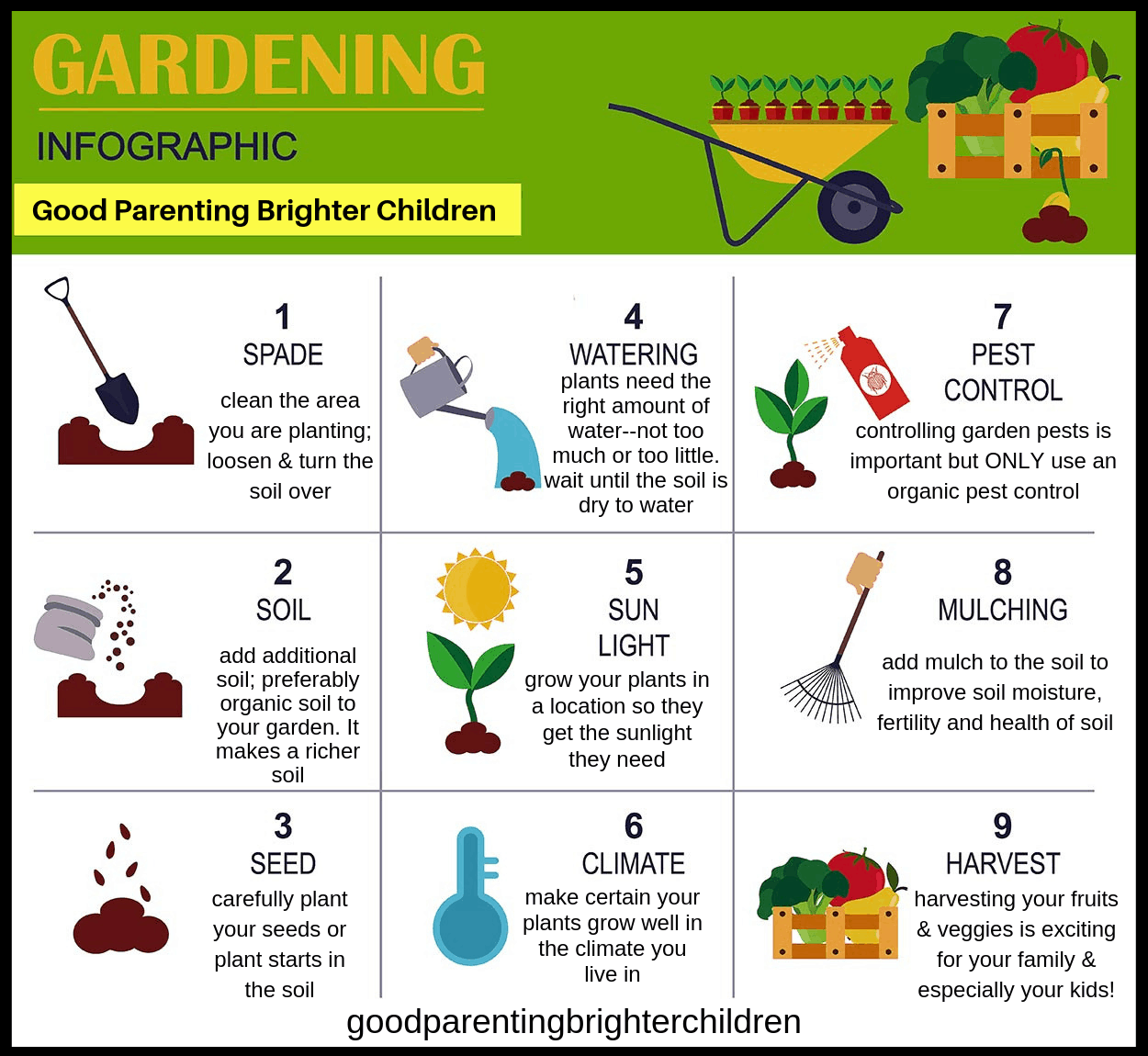
What Beginner Gardening Really Means
Beginner gardening is not about flashy tools or rare plants. It is a series of small, smart steps done in the right order. You match sun, soil, water, and plant type. That is it.
When people ask about gardening for beginners step by step, they often want a map. Here, you get that map plus guardrails. You will learn what works, why it works, and what to skip. My aim is to make gardening for beginners step by step feel easy and repeatable for years.

Your Step-by-Step Roadmap
Follow these steps in order. Check off each one before moving on.
-
Define your goal
Pick one clear win. Salad greens for spring. Herbs by the back door. Three tomato plants in summer. Small wins build skill fast. -
Pick the sunniest site
Most veggies need 6 to 8 hours of direct sun. Watch the spot for a full day. Note shade from trees, fences, and the house. -
Choose your bed style
Ground bed for low cost. Raised bed for fast draining soil and fewer weeds. Big pots if you rent or have bad soil. -
Test and prep the soil
Use a simple test kit for pH and nutrients. Add compost to improve texture. Remove weeds and roots before planting. -
Start with easy plants
Leafy greens, bush beans, zucchini, cherry tomatoes, basil, marigolds. These forgive errors and grow fast. -
Plan spacing and layout
Use seed packs as your guide. Give air and light to each plant. Tight spacing invites disease. -
Plant at the right time
Know your frost dates and hardiness zone. Plant cool crops in spring and fall. Plant warm crops after soil warms. -
Water the right way
Water the soil, not the leaves. Soak roots deeply 1 to 2 times a week. Mulch to keep water in. -
Feed lightly and often
Mix compost into the top few inches. Use a balanced slow-release feed as needed. Overfeeding burns roots. -
Keep weeds down
Mulch 2 to 3 inches thick. Hand pull small weeds after rain. Do not let them set seed. -
Watch for pests early
Look under leaves twice a week. Remove pests by hand first. Use gentle controls if needed. -
Harvest often
Pick when plants are ready. This triggers more growth. Eat fresh and enjoy the work you did.
You now have gardening for beginners step by step in one list. Save it, and repeat it each season.

Site and Sunlight: Set Up for Success
Pick a spot close to water and the kitchen door. When the garden is close, you tend it more. That leads to better results.
Track sun for one full day. Take notes at three times: morning, noon, and late afternoon. Most fruiting crops like tomatoes and peppers need full sun. Leafy greens can grow with part sun. In windy spots, add a simple windbreak like a mesh screen.
My first garden sat in a pretty, shady corner. It failed. Moving the bed six feet into full sun changed everything in two weeks.

Soil Basics and Bed Preparation
Healthy soil grows healthy plants. It should feel loose, dark, and crumbly. If soil is hard or sticky, add compost. If water sits on top, raise the bed or add coarse material for drainage.
Do a basic test for pH. Many crops like pH 6.0 to 7.0. If pH is far off, plants cannot use nutrients well. Mix in compost at 1 to 2 inches over the top and blend it in. Rake the surface flat before planting.
University extension data show compost improves yield, water holding, and disease resistance. That is why gardening for beginners step by step always starts with soil.
Choosing Plants: Easy Wins for Year One
Pick plants that fit your sun, season, and space.
Great starter veggies
- Leafy greens like lettuce, spinach, and kale grow fast
- Cherry tomatoes and bush beans reward steady care
- Zucchini and cucumbers produce a lot with heat and water
Great starter herbs
- Basil, parsley, chives, mint in pots, thyme, oregano
Great starter flowers
- Marigolds, zinnias, sunflowers, nasturtiums
Use compact or patio types if space is tight. Start with seedlings for tomatoes and peppers. Direct sow greens and beans. This is gardening for beginners step by step made simple.

Planting: Depth, Spacing, and Timing
Read the seed pack. It tells you depth, spacing, and days to harvest. Plant seeds two to three times as deep as the seed is wide. Firm the soil but do not pack it tight.
Transplant on a cloudy day or near sunset. Water the hole first, set the plant, and backfill. Tomatoes can be planted deep to form extra roots. Peppers and herbs should sit at the same depth they grew in the pot. Space plants for airflow to cut disease.

Watering Made Simple
Plants need deep, even water. Shallow sips lead to weak roots. Aim for about 1 inch of water per week, total from rain and hose. Stick a finger 2 inches into soil. If dry, water.
Use a soaker hose or drip line at soil level. This saves water and keeps leaves dry. Mulch with straw, leaves, or wood chips 2 to 3 inches deep. This holds moisture and cools roots. In heat waves, check daily. This is where many fail, so keep it steady.
Feeding and Mulching the Right Way
Compost is your base feed. Add it at planting and again mid-season. For extra push, use a balanced slow-release fertilizer. Follow the label. More is not better.
Mulch does three jobs. It reduces weeds, holds water, and buffers soil heat. Keep mulch a small gap away from stems to prevent rot. In my garden, mulch cut water use in half in summer. That one step made gardening for beginners step by step less work.
Pests, Weeds, and Safe Controls
Use a simple plan called integrated pest management. Start with prevention, then gentle controls.
-
Prevention
Clean tools. Space plants well. Rotate crops each year. Strong plants resist problems. -
Monitoring
Check leaves, stems, and soil twice per week. Catch small issues early. -
Gentle controls
Hand pick pests like beetles and caterpillars. Use insecticidal soap or neem on soft-bodied pests. Try floating row covers for young plants. For weeds, mulch and hand pull after rain.
Read and follow labels for any product. Keep pets and kids away until dry. For most home gardens, gentle steps solve most issues fast.
A Simple Seasonal Care Calendar
Spring
- Build beds, add compost, plant cool crops
- Start warm crops indoors or buy seedlings
- Set up drip and mulch
Summer
- Plant warm crops after frost
- Water deep, weed weekly, feed mid-season
- Harvest often to keep plants producing
Fall
- Plant leafy greens again
- Clear dead plants, add compost
- Cover beds with mulch or a cover crop
Winter
- Plan next season and order seeds
- Sharpen tools and clean pots
- Study what worked and what did not
This seasonal rhythm is core to gardening for beginners step by step.
Tools and Budget: What You Need and What You Do Not
Start with basics. Add more only if needed.
Must-haves
- Hand trowel, pruners, and a sturdy weeder
- Gloves and a 5-gallon bucket
- Watering can or hose with a shut-off
- Rake and a digging fork for beds
Nice-to-haves
- Soaker hose or drip kit
- Kneeling pad or small stool
- Wheelbarrow for moving mulch and compost
Skip pricey gadgets at first. Invest in soil and mulch. That is the best spend in gardening for beginners step by step.
Common Mistakes Beginners Make and How to Fix Them
-
Planting in shade
Fix by moving beds or choosing shade-tolerant greens and herbs. -
Overwatering
Fix by checking soil before watering. Water deep and less often. -
Crowding plants
Fix by thinning to the right spacing. It feels hard, but plants need room. -
Skipping mulch
Fix by adding 2 to 3 inches of mulch. It saves water and time. -
Ignoring frost dates
Fix by learning your local frost dates. Protect or delay planting as needed.
I once lost a flat of basil to a late cold snap. A simple row cover would have saved it. Lesson learned.
Troubleshooting: Symptoms and Quick Fixes
-
Yellow lower leaves
Often a water or nitrogen issue. Check moisture first, then feed lightly. -
Leaves with holes
Look for caterpillars under leaves. Hand pick and use a gentle spray if needed. -
Powdery white film
Likely powdery mildew. Improve airflow, remove the worst leaves, water soil not leaves. -
Plants not flowering
Too much nitrogen or not enough sun. Adjust feed and move toward more light next season. -
Fruit rots on end
Blossom end rot from uneven water or low calcium use. Keep water even and mulch well.
Use this as a fast scan in your first season of gardening for beginners step by step.
Frequently Asked Questions
How much space do I need to start?
A 4×4 raised bed or three large pots are enough. You can grow greens, herbs, and a tomato in that space.
When should I water my garden?
Water early in the morning. This reduces loss from heat and keeps leaves dry to prevent disease.
Do I need to start seeds indoors?
Not for your first season. Buy healthy seedlings for warm crops and direct sow easy seeds like beans.
How do I know when to harvest?
Follow the seed pack days to maturity and check size and color. Taste a sample; if it is good, harvest more.
What is the best soil mix for containers?
Use a quality potting mix with compost and perlite. Do not use heavy garden soil in pots.
Can I garden if I only have shade?
Yes, but choose shade-tolerant crops. Leafy greens, mint in pots, and some herbs can do well in part shade.
How often should I fertilize?
Feed lightly at planting and again mid-season. Follow label rates and avoid heavy feeding.
Conclusion
You now have a clear plan for gardening for beginners step by step. Start small, pick the right spot, build healthy soil, and choose easy plants. Water well, mulch often, and harvest on time. These simple moves stack up fast.
Your first harvest will teach you more than any book. Take one step today: pick a sunny spot, gather compost, and plant three easy winners. If this guide helped, subscribe for more step-by-step plans, ask questions in the comments, and share your first harvest photo.


