
How To Save Tomatillo Seeds: Proven Steps 2026
Let tomatillos fully ripen, ferment the gel off, rinse, dry, and store cool.
You’re here to learn how to save tomatillo seeds the right way. I’ve saved thousands over the years for my market garden and seed swaps. In this guide, I’ll show you how to save tomatillo seeds with clean, simple steps that work. We’ll cover pollination, timing, fermentation, drying, and storage. You’ll get pro tips, fixes for common mistakes, and answers to top questions. Read on and build a seed stash you can trust.
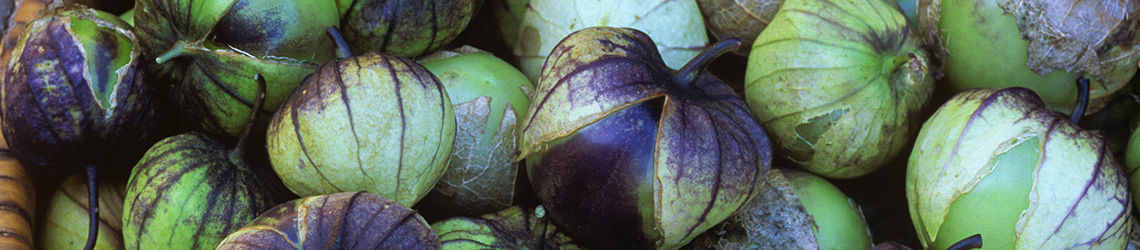
Why save tomatillo seeds
Saving tomatillo seeds cuts costs, preserves flavor, and adapts plants to your soil. It also gives you control. You keep the traits you love and skip unknowns.
Tomatillos are vigorous and reliable. Once you learn how to save tomatillo seeds, you set yourself up for years. You also help keep regional strains alive. That is good for your garden and your community.
There are limits. If you mix varieties, you may get crosses. Storage needs care as well. But with a simple plan, your seed can stay strong for years.

Understand pollination and variety purity
To master how to save tomatillo seeds, know how the plant mates. Tomatillos (Physalis philadelphica and P. ixocarpa) often need a partner. Many lines are self-incompatible. That means you should grow at least two plants of the same variety for good fruit set.
Tomatillos cross easily with other tomatillos nearby. To keep a variety true, give distance. Aim for 200 feet or more from other types, if you can. In small yards, you can use time. Stagger bloom times, or save seed only from early or late fruit. You can also bag blooms, but that is harder.
Tip from my beds: I keep one variety per bed and harvest seed from center plants. This reduces stray pollen and keeps results steady.
When to harvest and what you need
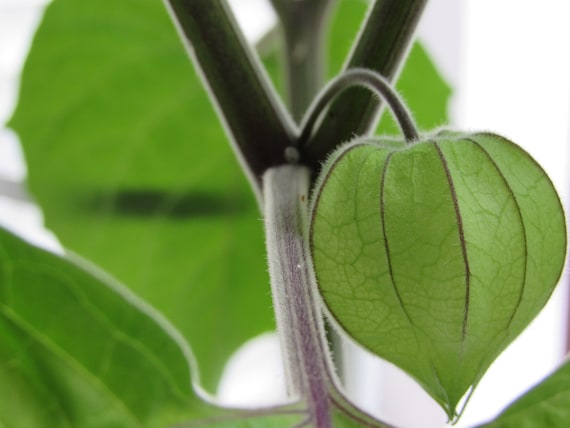
Fruit timing matters when you plan how to save tomatillo seeds. Pick fruit that is fully ripe. The husk turns papery and may split. The fruit softens and may yellow or bronze. Ripe fruit has mature seed and better vigor.
Gather your tools:
- Clean jars or cups for fermenting
- A spoon or knife
- A fine sieve or mesh strainer
- Labels and a pencil
- Coffee filters or paper plates
- A fan or a dry, shaded space
- Desiccant packs for storage, if you have them
Wash your hands and tools. A clean start prevents mold later.

Step-by-step: how to save tomatillo seeds with fermentation
Fermentation breaks down the gel around each seed. That gel can slow germination. Fermenting also helps drop some seed-borne microbes.
Follow these steps:
- Select fruit. Choose at least 6 to 10 of the best, fully ripe tomatillos. Avoid fruit with disease.
- Cut and scoop. Halve each fruit. Scoop the wet seed mass into a clean jar.
- Add water. Add enough clean water to cover. Stir well.
- Ferment 24 to 48 hours. Place the jar in a warm spot out of sun. Aim for 70 to 80°F. Stir twice a day. A light froth or slight smell is normal. Do not let it go past 72 hours, or seeds can sprout or rot.
- Separate good seed. After fermenting, add water, stir, and let it settle. Good seeds sink. Pulp and bad seeds float. Pour off the top water and debris. Repeat with fresh water until the water is clear.
- Rinse and strain. Pour seeds through a fine sieve. Rinse well to remove any gel.
- Dry. Spread seeds thin on a labeled coffee filter or plate. Use a fan on low. Keep them out of sun and heat.
- Cure. Let them dry for 10 to 14 days. Seeds should be hard and snap under a fingernail.
Pro tip: If you see fuzzy mold during fermenting, change the water early. Rinse and restart the ferment with cleaner gear. Most batches can be saved if caught fast.

Quick-rinse method: fast but with trade-offs
If you need speed, you can skip fermenting. This is a faster way to approach how to save tomatillo seeds, but it has limits.
- Scoop the seed mass into a sieve.
- Rub under running water until most gel is gone.
- Dry as above for about 10 to 14 days.
This works, but germination can be lower. Fermenting tends to boost rates and cleanliness. I use the quick method only when fruit is ultra ripe and time is short.

Drying, labeling, and storage best practices
Drying and storage make or break how to save tomatillo seeds. Aim for cool, dark, and dry at every step.
Drying basics:
- Spread seed thin in a single layer.
- Keep under 95°F. Never use an oven.
- Stir once a day so they dry even.
- Test dryness by pressing a seed with a nail. It should not dent.
Label right away. Write variety, species, and year on the coffee filter and on the final container. Future you will thank present you.
Storage rules:
- Use airtight glass or high-quality plastic.
- Add a desiccant if you have one.
- Store in a cool closet or the fridge, not the freezer unless very dry.
- Keep away from light and big temp swings.
Tomatillo seeds are “orthodox” seeds. With dry, cool storage, they stay viable 4 to 6 years, often longer. I aim to use mine within 3 years for peak vigor.
Germination testing and using your saved seeds
Before spring, test a sample. This is a key part of how to save tomatillo seeds with confidence.
Simple test:
- Place 20 seeds on a damp paper towel.
- Fold, slip in a plastic bag, and keep at 75°F.
- Check in 7 to 10 days. A good rate is 80% or more.
Starting tips:
- Sow seeds indoors 6 to 8 weeks before last frost.
- Use a seed-starting mix. Keep it moist, not wet.
- Give light and airflow to prevent damping-off.
- Transplant after frost when nights are warm.
If germination is low, sow a bit heavier. Or refresh with new saved seed from the next crop.

Troubleshooting and common mistakes
Most seed issues trace back to a few causes. Here is how to avoid them when you plan how to save tomatillo seeds.
- Saving from unripe fruit. Seeds may be pale and soft. They will not store or sprout well. Always wait for papery husks and soft fruit.
- Over-fermenting. Seeds can sprout in the jar or rot. Cap at 48 to 72 hours and stir often.
- Poor drying. Clumpy seeds or a musty smell mean moisture. Spread thinner and use a fan. Do not bake.
- Warm, humid storage. This kills seed fast. Use airtight jars and a cool, steady place.
- Cross-pollination. Off-types can show next year. Grow one variety at a time, or separate beds.
If you suspect disease, skip saving seed from that plant. It is not worth the risk to next year’s crop.

Real-world tips from the garden
A few seasons back, I ran a side-by-side test on how to save tomatillo seeds. One batch was quick-rinsed. The other was fermented for 36 hours. The fermented batch hit 92% germination. The quick rinse hit 74%. Both grew, but the fermented lot had more even seedlings.
I also learned to pick fruit from mid-plant, not the edges. Bees tend to cross plants along edges. Seeds from the center gave me truer lines over time.
Finally, I now label twice. One tag on the drying paper, one on the jar. A windy day once mixed my trays. Double labels saved the year.
Frequently Asked Questions of how to save tomatillo seeds
Can I save seeds from store-bought tomatillos?
You can, but results vary. The variety may be unknown or hybrid, so traits may not be stable. Rinse well and test germination before you count on them.
Do tomatillos cross-pollinate with tomatoes or ground cherries?
Tomatillos do not cross with tomatoes. They may cross with other tomatillos and some close Physalis types. Keep distance between varieties for pure seed.
Is fermentation required when saving tomatillo seeds?
It is not required, but it helps. Fermentation removes the gel, improves cleanliness, and can boost germination. Quick rinsing works in a pinch.
How long do saved tomatillo seeds remain viable?
With cool, dark, and dry storage, 4 to 6 years is common. Expect the best vigor within 3 years. Test germination each spring.
What if my seeds mold during drying?
Spread seeds thinner and move to a drier room. Use a fan on low and replace the paper. If mold is heavy, discard and try again with cleaner gear.
What distance prevents crossing between tomatillo varieties?
Aim for 200 feet or more where possible. In small spaces, save from center plants or separate by bloom time. Bagging blossoms also helps, though it is more work.
How many plants do I need to save good seed?
Grow at least two plants of the same variety. This ensures good pollination and fruit set. More plants improve genetic diversity.
Conclusion
You now know how to save tomatillo seeds from start to finish. Choose ripe fruit, remove the gel by fermenting, rinse, dry well, and store cool and dry. Keep varieties separate, label with care, and test germination each year. These steps protect purity and power for seasons to come.
Put this guide to work with your next harvest. Save seed from your best plants and build a resilient strain for your soil. Want more seed-saving tips? Subscribe for updates, ask a question in the comments, or share your own results.


